

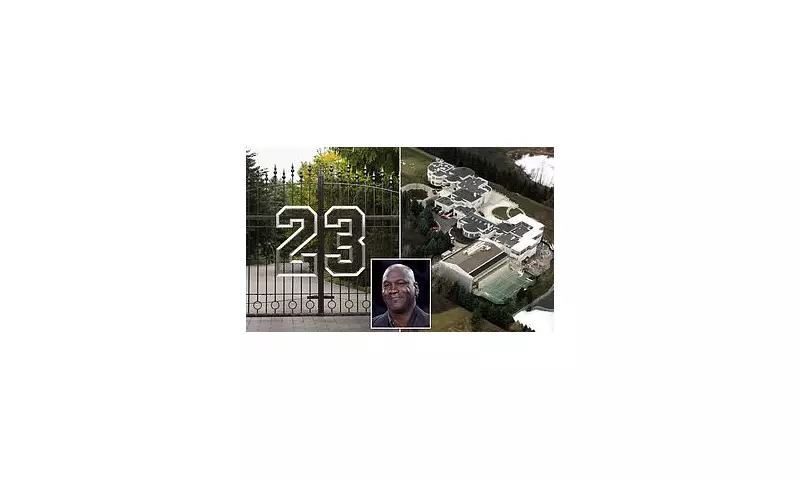
The buyer of Michael Jordan's long-unsold Chicago mansion is making a fresh attempt to capitalise on the property, now aiming to transform the iconic estate into a permanent tourist attraction. This new plan comes after his initial, ambitious proposal to sell $1 million timeshares in the home was decisively blocked by local authorities.
From 'For Sale' Sign to Failed Timeshare
NBA legend Michael Jordan finally offloaded his sprawling Highland Park estate in December 2024, concluding a 13-year sales saga. The buyer, John Cooper—a partner in a commercial real estate firm—purchased the colossal nine-bedroom, 19-bathroom home for $9.5 million. This figure represented barely half of the most recent $14.89 million asking price and a far cry from the original $29 million tag when it was first listed in 2012.
Cooper's initial strategy involved an exclusive equity timeshare model. He rebranded the property 'Champions Point' and offered stakes at $1 million each, which would grant co-owners one week of annual access to the 56,000-square-foot mansion. However, the concept of paying seven figures for a week in the Chicago suburbs proved a difficult sell, despite the undeniable allure of the Jordan connection.

The plan was ultimately terminated when the Highland Park City Council voted to amend the municipal zoning code, explicitly prohibiting timesharing in single-family homes—a move reported to be a direct response to Cooper's Champions Point proposal.
A New Vision: An 'Immersive Museum' for Personal Transformation
Undeterred, Cooper has returned to the council with a significantly different proposal. He is now seeking a special-use permit to convert the mansion into a full-time, immersive museum and tourist destination. In an 18-page pitch document, he frames the concept as a "unique destination designed to inspire personal transformation."
Notably, the proposal makes no explicit reference to Michael Jordan, likely to avoid potential trademark or right-of-publicity issues with the billionaire athlete. Instead, Cooper describes Champions Point as a "dynamic cultural institution where architecture, sports and philanthropy will converge." The vision promises a "multi-sensory experience" and a "living platform dedicated to guiding every patron to realize their untapped potential."
To facilitate this, Cooper is requesting a zoning amendment and access to a neighbouring public nature preserve. His plans include constructing a 120-foot pedestrian path linking the preserve to the property and using its parking lot for visitors.
Local Opposition and Operational Plans
The new proposal has not been met with universal approval. One neighbour has publicly criticised the plan, accusing Cooper of sacrificing environmental concerns for personal gain. In an email to city officials, the neighbour stated, "A nature preserve exists to safeguard fragile ecosystems, not to facilitate the monetization of private property," calling the potential destruction "profoundly alarming."
Cooper's operational blueprint suggests the attraction would be open daily from 8am to 7pm, May through October, with reduced hours during winter months. He also wishes to host up to six evening events per year, ending by 11pm. As part of the renovations, the famous '23' front gate—a nod to Jordan's jersey number—would be moved indoors to discourage visitor queues on the quiet cul-de-sac street.
This latest scheme follows the brief period where the mansion was offered as a short-term rental for $150,000 per month or $89,000 per month on longer leases, though the success of that venture remains unclear. The future of Champions Point now rests on the council's decision regarding the special-use permit, determining whether Michael Jordan's former home will become the next major tourist draw in the Chicago area.






