

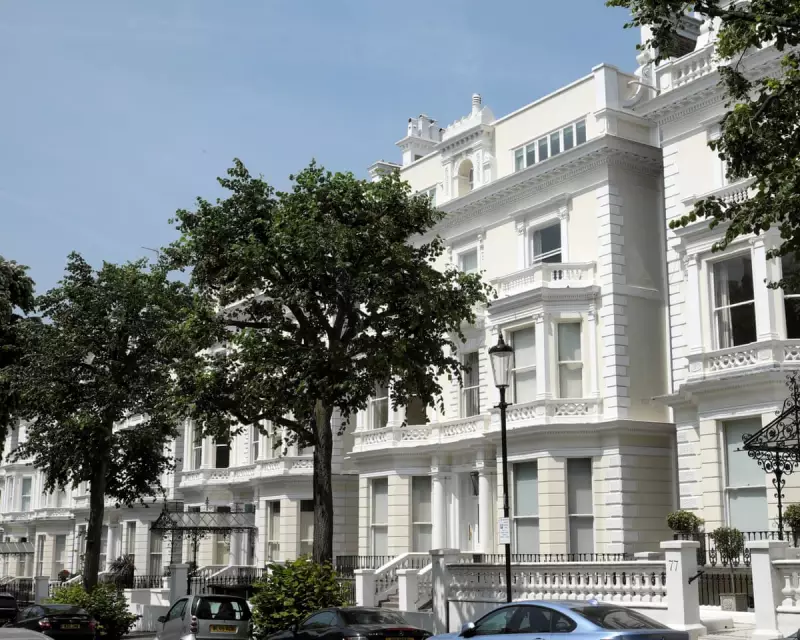
The announcement of a new 'mansion tax' in Chancellor Rachel Reeves's budget has ignited a firestorm of media coverage, dominated by the voices of affluent homeowners fearing for their finances. Meanwhile, communities grappling with genuine housing emergencies find their pleas for help met with deafening silence.
The Chorus of Complaint from Wealthy Homeowners
The policy, a council tax surcharge on properties valued at over £2 million, is estimated to affect approximately 165,000 property owners. The British media has rapidly amplified their concerns. We hear from Philippa in Kensington, who claims the levy on her two mews houses will "wipe me out," and from Paul in Cobham, who says it has ruined his retirement plans. A property investor in Wimbledon with a £9.5 million house complains of a lack of viewings.
High-profile figures have joined the fray. Television presenter Kirstie Allsopp argued that owners of expensive homes are national benefactors, "improving the gardens" and maintaining streetscapes that attract tourists. The debate often frames the tax, which critics claim could see £2,500 added to annual bills, as an unfair assault on hard-working savers and a transfer of wealth from the South East to the North.

A Silent Crisis in Tyldesley
Just 200 miles from Kensington, a starkly different housing story is unfolding with minimal national attention. Residents on the Henford estate in Tyldesley, Wigan, are living a nightmare as developer PLP constructs four vast logistics warehouses metres from their homes. The 18-metre-high structures will block light, overlook a primary school, and have already been linked to cracking properties and garden flooding.
Currently, they endure the constant roar of around 250 lorries working 24/7. Despite a 10,000-signature petition and relentless work by a local action committee, they have few avenues for redress. Wigan council states no planning breaches have occurred and rejected a pause, fearing legal action. PLP has reportedly refused to answer key questions from local journalists.
A System of Selective Outrage
This contrast highlights a profound imbalance in whose housing woes command public and political bandwidth. From students in York facing doubled rents to homeowners in Darlington stranded on unfinished estates, and elderly in Southend enduring repeated lift failures in sheltered housing, countless face acute crises.
The outrage over the mansion tax, a levy owners can often defer until sale and which barely dents UK wealth inequality, consumes disproportionate oxygen. As columnist Jonathan Liew notes, this is less a failure of circumstance than a triumph of structure. The system efficiently amplifies the voices of the wealthy while muffling others. The fundamental question of who gets to complain about housing policy in Britain appears settled: it depends entirely on your postcode and your property's value.






