

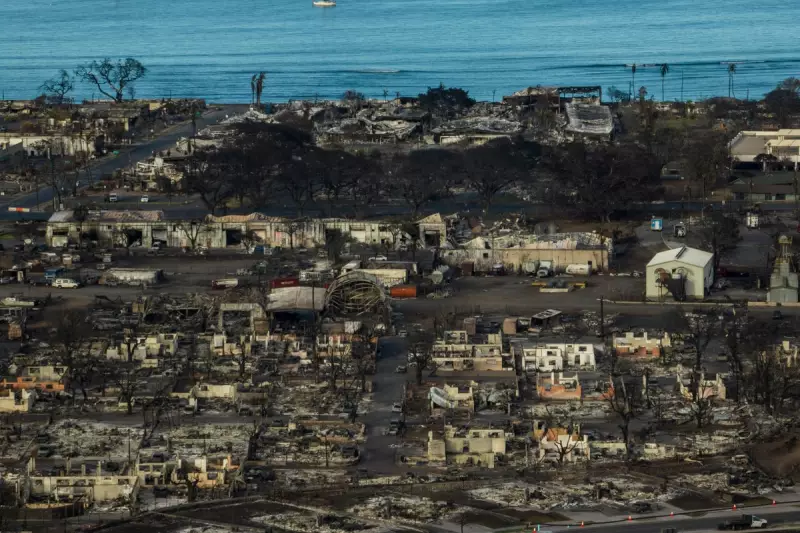
Nearly 1,000 households on Maui, displaced by catastrophic wildfires, are facing a precarious future as a crucial federal rental assistance programme is set to expire, potentially forcing them from their homes.
A Looming Deadline for Vital Support
For two and a half years, the Federal Emergency Management Agency (FEMA) has been instrumental in housing survivors of the devastating fires that tore through Lahaina and Kula on 8 August 2023. The disaster, which killed 102 people and destroyed 2,200 structures, initially displaced 12,000 people, 89% of whom were renters.
An 18-month assistance programme was first extended by the Biden administration until February 2026. However, with few homes rebuilt and rental inventory critically low, the state of Hawaii requested a further extension last May. A final decision from FEMA is expected before the end of January, leaving hundreds in anxious limbo.

This uncertainty is compounded by broader political shifts. The Trump administration has frequently advocated for reducing FEMA's role and shifting more disaster responsibility to states, a policy backdrop that weighs heavily on those awaiting news.
An Impossible Rental Market Awaits
If the assistance expires, approximately 940 households—including 190 in modular units, 470 in FEMA-leased properties, and 280 receiving financial aid—will be thrust into one of America's most unforgiving housing markets.
Data from the Hawaii Emergency Management Agency (HIEMA) paints a stark picture: Maui's rental vacancy rate sits below 2%, and as of mid-2025, there were zero available units priced at or below the federal fair market rent. Displaced survivors have already faced rent hikes of 50-60%, with two- and three-bedroom units costing nearly double their pre-fire prices.
"All of them entering into our already impacted rental market in February scares me a lot," said Nicole Huguenin, executive director of the mutual aid group Maui Rapid Response.
Contingency Plans and a Slow Path to Recovery
State and county officials confirm they have been working on contingency plans "for months" in case FEMA aid ends. Options include potentially taking over the Kilohana complex, a 167-unit modular housing development built by the U.S. Army Corps of Engineers. Next door, the Ka La'i Ola community of 450 units, run by non-profit Home Aid Hawaii, is already full with a long waiting list.
Rebuilding is progressing, albeit slowly, with 109 residential projects completed and around 300 underway. The county has also moved to address the supply crisis, passing a bill to ban short-term rentals in apartment-zoned areas from 2029.
For survivors like Kukui Keahi, who rented through FEMA after living in her car post-fire, the fear is palpable. "My goal is to (pay) what I was before and I can’t, there’s no way," she said. The coming weeks will determine whether federal support continues or if Maui's recovery faces a devastating new setback.






