

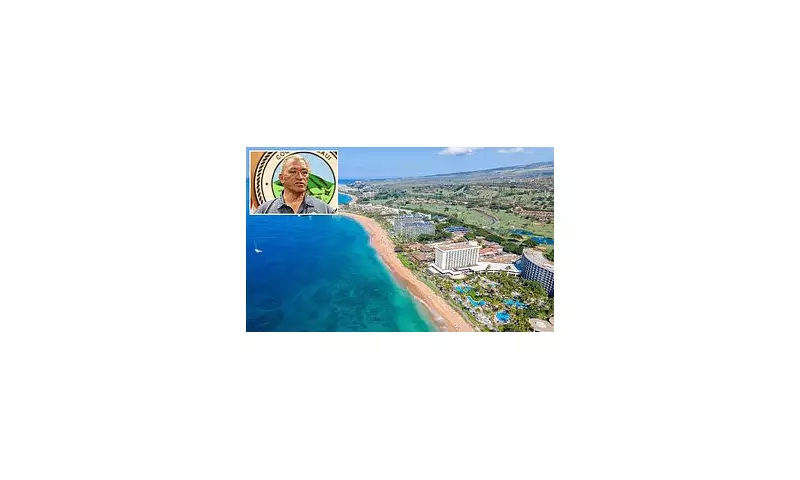
The mayor of Maui has signed into law a landmark piece of legislation that will see thousands of short-term vacation rentals phased out across the Hawaiian island. The move is a direct response to a severe housing crisis exacerbated by the catastrophic wildfires of 2023.
Bill 9: A Direct Response to Disaster
Mayor Richard Bissen introduced the legislation, known as Bill 9, in 2024 with the primary goal of increasing long-term housing stock for local residents. The law was passed by the Maui County Council and targets the elimination of over 6,200 transient vacation rentals (TVRs) in specific zones.
The context for this drastic measure is the tragedy of August 2023, when six wildfires ravaged the island. The blazes, which devastated the historic town of Lahaina, resulted in 102 fatalities, destroyed nearly 3,000 buildings, and scorched more than 2,000 acres. The disaster intensified an already critical shortage of affordable housing for Maui's community.

The phase-out will occur on a staggered timeline. TVRs in West Maui, which includes Lahaina, must cease operations by 1 January 2029. Those in South Maui have until 1 January 2031 to convert to long-term housing or other permitted uses.
Reclaiming Housing vs. Economic Concerns
In a statement, Mayor Bissen framed the law as a courageous step to prioritise residents. "Mahalo to Maui County Council members and staff for their extensive work on Bill 9 and for taking crucial and courageous steps to improve life for Maui's most important resource – our people," he said. He emphasised that the law does not constitute a total ban, as approximately 6,500 TVRs, along with hotels, timeshares, and bed-and-breakfasts, will remain operational.
Supporters, including Councilwoman Keani Rawlins-Fernandez, argue the legislation is about restoring community. "Profits are replaceable. Generational communities are not," she stated, adding that the bill aims to reclaim housing, rein in tourism, and conserve resources.
The push for the law was significantly inspired by grassroots group Lahaina Strong, who camped on Kaanapali Beach with wildfire survivors to demand action. Organiser Jordan Ruidas noted early signs of success, saying, "The prices for condos are already dropping... condo prices have dropped more than 20 percent."
Opposition Warns of Financial Fallout
However, the legislation faces strong opposition from those who warn of severe economic consequences. Council Vice-Chair Yuki Lei Sugimura highlighted that Bill 9 represents a loss of roughly $65 million in annual property taxes, plus an estimated $50 million in excise and accommodation taxes.
"The proposed solution is to offset those losses by raising taxes on who? You, the taxpayers, are going to be burdened with the tax losses," Sugimura cautioned during the council hearing. Lynette Pendergast, President of the Realtors Association of Maui, echoed these concerns, stating the bill could negatively impact the economy and infringe on property owners' rights without guaranteeing a sufficient return of units to the long-term market.
Despite the debate, the law now sets Maui on a definitive course to transform its housing landscape, aiming to convert tourist accommodations into homes for its residents in the wake of profound loss.






