Norfolk Coastal Village Transformed by Tourism as Locals Struggle with Housing Crisis
The picturesque village of Blakeney in North Norfolk has become emblematic of a growing national crisis, where soaring property prices and an influx of second home owners are creating an impossible housing market for local residents. With average house prices reaching an astonishing £714,000 according to November 2025 data from OnTheMarket – more than triple the UK average of £273,000 – the financial reality for those earning the area's median weekly wage of £571 has become increasingly desperate.
A Tale of Two Seasons in North Norfolk
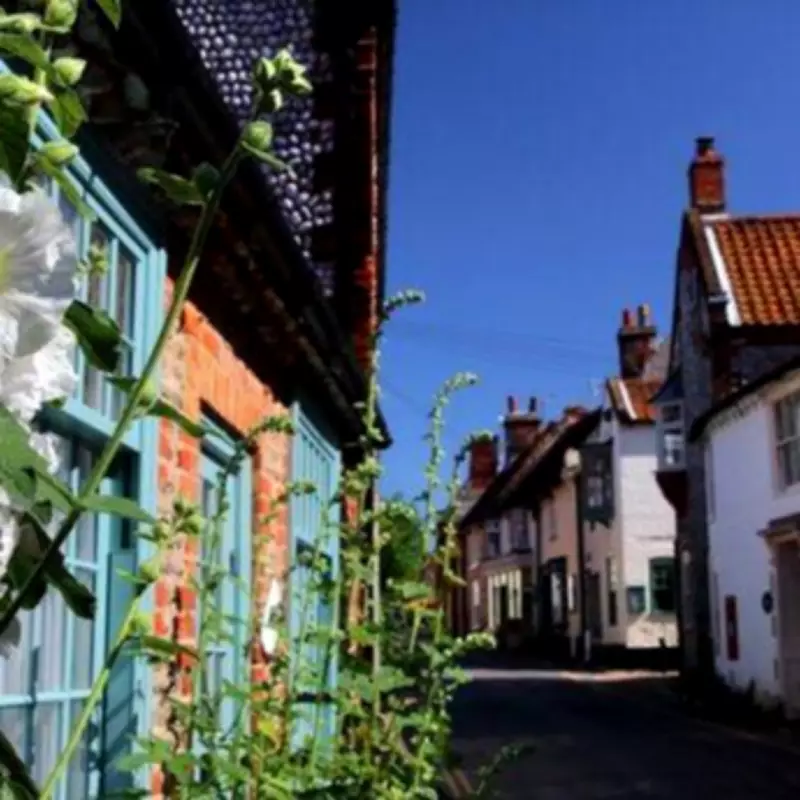
Throughout the summer months, this designated Area of Outstanding Natural Beauty transforms into a bustling tourist destination, attracting visitors drawn to its charming stone dwellings, acclaimed coastal hotels, and famous seal colonies at Blakeney Point. The village's two pubs and three hotels operate at maximum capacity, creating what resident Tore describes as "a full, full village" with overwhelming traffic through narrow streets.
Yet winter reveals a completely different reality. Visitor numbers plummet dramatically, leaving many former fishing properties standing empty and dark. "The streets are jet black because there are no lights on in houses," explains Blakeney Parish Council chairman Rosemary Thew, highlighting how the seasonal nature of tourism creates a ghost town effect during colder months.

The Stark Reality for Local Residents
The statistics paint a troubling picture of disparity. With property prices at £714,000 and local weekly wages averaging just £571, the mathematics of home ownership become impossible for most born-and-bred residents. Tore, one of the few Blakeney-born residents without inherited property who still calls the village home, represents both the problem and a potential solution.
"Working in a hotel and in the trade that it is all around here, the chances of buying a house would just be impossible," she explains. Her salvation came through the Blakeney Neighbourhood Housing Society, established in 1946 specifically to address this growing crisis. The society owns 39 houses and cottages in Blakeney and neighbouring villages, renting them at affordable rates to tenants with local birth ties.
Community Housing as LifelineThanks to this controlled rent arrangement, Tore pays just £478 monthly for her family home – a stark contrast to market rates that would otherwise force her from the community. "It has changed my whole life," she reflects. "It means I can be around my whole family. A lot of my friends who were born and bred here couldn't live here due to housing problems, so they moved away to somewhere cheaper."
The society's website explicitly states its purpose: "The price of housing has risen steeply as many properties have become second homes or places to retire to, and many local people can no longer afford to buy or rent them." This intervention has become increasingly vital as approximately half of Blakeney's 400 properties now serve as second homes or holiday lets.
Council Intervention and Economic Balancing Act
Recognising the severity of the situation, North Norfolk District Council implemented significant measures earlier this year, introducing a 100% levy on Council Tax bills for second home owners, leaseholders, or tenants in the district. This effectively doubles what they must pay for additional properties, creating a financial disincentive for maintaining empty homes.
Parish Council chairman Rosemary Thew emphasises the delicate balance required: "The measure isn't designed to put off visitors, noting tourism represents a 'big part of the village economy'." However, she acknowledges the profound impact of the second home phenomenon: "The volume of second homes is very high, around half. It's pushing prices up quite considerably. It means that, as far as locals are concerned, they can't afford to live here."

Blakeney's transformation from working fishing village to tourist destination reflects broader national trends. A century ago, the community sat much closer to the shoreline, but silting of the estuary and decline of the fishing industry gradually changed its economic foundations. Today, only the smallest boats can reach the harbour, symbolising how traditional industries have given way to tourism.
This shift mirrors national housing challenges. Five decades ago, 30% of UK citizens lived in some form of social housing, but years of Right to Buy schemes and sluggish building rates have halved this percentage, creating precisely the kind of crisis now evident in communities like Blakeney.
The Human Cost of Housing Disparity
For residents like Tore, the emotional connection to place conflicts with economic reality. "It's the perfect place to live," she says. "There's community spirit, it's a very olde-worlde place. I'd never want to be anywhere else but here." Yet without the intervention of community housing schemes, this connection would be severed by pure economics.
The situation creates what Tore describes as "a tricky one" for those working in tourism: "As working in the tourist industry, I need it to be busy. But to see the small village that's very quaint and dainty overrun with people, yeah, it's a lot." This tension between economic necessity and community preservation lies at the heart of Blakeney's challenge.
As Britain grapples with housing affordability crises in picturesque communities nationwide, Blakeney serves as both warning and potential model – demonstrating both the devastating impact of unchecked second home ownership and the vital role community-led housing solutions can play in preserving local communities for future generations.