

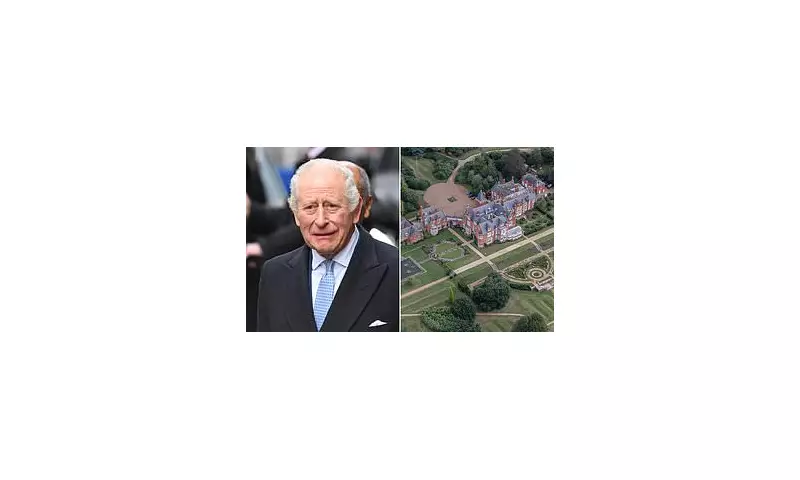
In a significant move by the Chancellor, the Royal Family is poised to pay thousands of pounds each year through a new 'mansion tax' on high-value properties, as revealed by the Daily Mail.
Which Royal Residences Will Be Affected?
The new tax policy from Rachel Reeves will not grant exemptions to royal properties, meaning King Charles could be liable for a substantial annual sum. The levy targets properties valued at more than £2 million, with bills starting at £2,500 and rising to £7,500 for homes worth over £5 million.
A number of iconic royal residences fall squarely into the highest tax band. These include Buckingham Palace, Windsor Castle, and Kensington Palace. Furthermore, private royal homes are also expected to be hit by the charge.

A Closer Look at the Private Estates Facing the Levy
The tax is likely to impact several privately-used estates across the country. These include:
- Sandringham House in Norfolk, the King's private residence.
- Bagshot Park in Surrey, home to the Duke and Duchess of Edinburgh, with an estimated value of £30 million.
- Forest Lodge in Windsor, the new home of the Prince and Princess of Wales, thought to be valued at £16 million.
- Princess Anne's Gatcombe Park in Gloucestershire.
- The King's Highgrove House.
Officials at Buckingham Palace have declined to comment, but a source confirmed that they are 'still working out the implications' of the new tax. The situation is complicated by the complex nature of royal property ownership, where some homes are privately owned by family members while others are leased from entities like the Crown Estate.
How the Mansion Tax Will Work
The tax will be implemented using a four-band system based on property values in 2026, but it will not take effect until April 2028. The proposed bands are:
- Properties worth between £2m-£2.5m: £2,500
- Properties worth between £2.5m-£3.5m: £3,500
- Properties worth between £3.5m-£5m: £5,000
- Properties worth over £5m: £7,500
Ministers are currently consulting on potential reliefs and exemptions. One area under consideration is whether individuals required to live in a property as a condition of their employment, such as ambassadors, should be liable for the payment.






