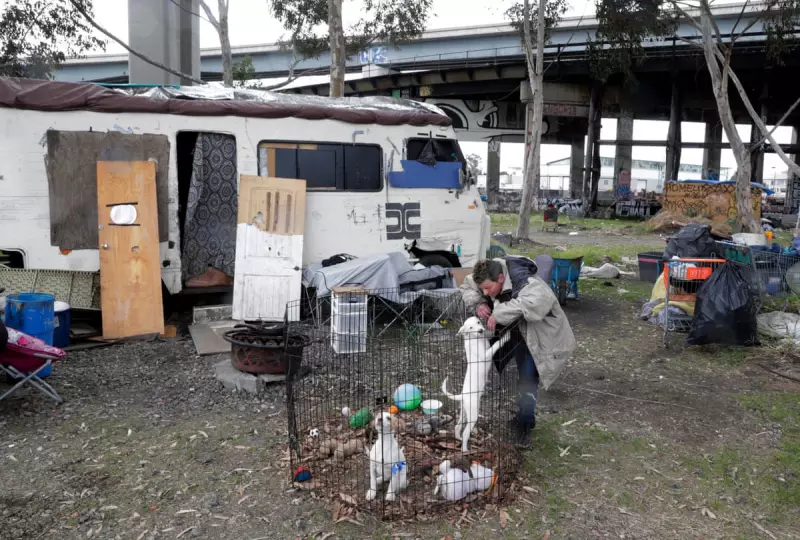
San Francisco has officially banned residents from living in recreational vehicles (RVs) on public streets, a move that has ignited fierce debate over the city’s approach to homelessness and affordable housing.
The new ordinance, approved by the city council, prohibits the use of RVs as permanent dwellings, citing concerns over sanitation, public safety, and neighbourhood complaints. Violators could face fines or have their vehicles impounded.
Why the Ban Was Introduced
City officials argue that the proliferation of RVs has led to increased waste disposal issues, blocked emergency access routes, and created tensions in residential areas. "This is about maintaining safe and clean streets for all residents," said a spokesperson for the mayor’s office.

However, critics claim the ban unfairly targets vulnerable populations, many of whom rely on RVs as their only shelter amid skyrocketing rents and a severe shortage of affordable housing.
Impact on Homeless Communities
Advocates for the homeless warn that the policy will displace hundreds of people with nowhere else to go. "This isn’t a solution—it’s just pushing the problem elsewhere," said a local activist. "Without proper housing alternatives, people will end up sleeping in tents or worse."
San Francisco has one of the highest homeless populations in the US, with over 7,700 people recorded in the latest count. The city has struggled to balance enforcement with compassionate solutions, often facing legal challenges over its homeless policies.
What’s Next?
The city has pledged to expand shelter capacity and affordable housing initiatives, but critics say progress has been too slow. Meanwhile, RV dwellers are scrambling to find alternatives before enforcement begins next month.
Will this ban ease San Francisco’s housing crisis—or make it worse? The debate continues as the city grapples with one of its most pressing social challenges.