

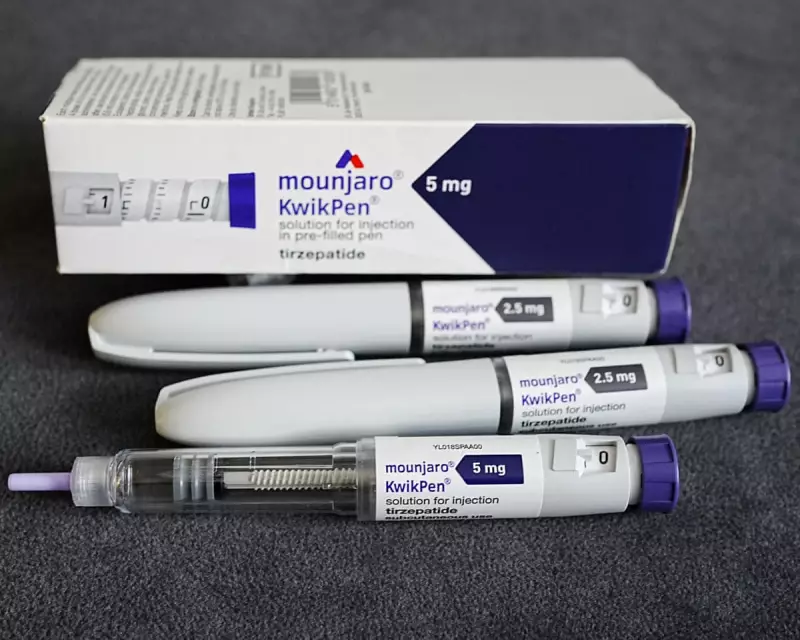
Regularly spending hundreds of pounds on prescription weight loss drugs could reduce the amount homebuyers can borrow for a mortgage by tens of thousands of pounds, mortgage brokers have warned.
Affordability Checks Under the Microscope
When applying for a home loan, lenders conduct rigorous affordability assessments, examining an applicant's income against all regular outgoings. These checks now increasingly scrutinise recurring payments for subscriptions, memberships, and other committed bills.
According to Jamie Alexander, mortgage director at Alexander Southwell Mortgages, monthly payments of £200 to £300 for privately prescribed weight loss injections could be treated as a committed outgoing. For a typical first-time buyer, this could potentially reduce the maximum loan offered by up to £20,000.

A Surging Trend in Private Prescriptions
The warning comes amid a dramatic rise in the use of weight loss medications in the UK. The vast majority of users pay for them privately. Research from University College London (UCL) published this month estimates that 1.6 million adults in England, Wales, and Scotland used drugs such as Wegovy and Mounjaro to aid weight loss between early 2024 and early 2025.
These drugs, available via private prescription at supermarkets and chemists, typically cost between £100 and £350 per month. Prices have risen in many cases, with hikes for treatments like Mounjaro prompting some users to seek cheaper alternatives.
Diverging Views from Mortgage Experts
There is, however, no consensus within the mortgage industry on how these payments are viewed. Some brokers argue that because the spending is technically discretionary—a user could stop the treatment at any time—it may not be factored into affordability calculations.
David Hollingworth of broker L&C Mortgages stated he had not seen the issue cause major problems, noting it was likely seen as discretionary. Nicholas Mendes at John Charcol agreed, suggesting that while high outgoings might prompt questions from an underwriter, "it's something that someone could cancel."
Conversely, Aaron Strutt at Trinity Financial warned that if a lender spots several hundred pounds leaving an applicant's account each month for these drugs, "they are probably going to want to know about it." Jamie Alexander emphasised that even if not directly questioned, regular payments visible on bank statements would be treated like any other bill, reducing the spare income used in affordability assessments.
The impact is likely to be most acute for first-time buyers or those on tighter budgets. Alexander illustrated that a regular £250 monthly payment could reduce the maximum loan available to a first-time buyer on a modest salary by £10,000 to £20,000.
While many brokers note that most lenders do not comb through every line of bank statements nowadays, the advice for prospective buyers remains clear: scrutinise your non-essential spending in the months leading up to a mortgage application, as any significant, regular outgoing could influence the final offer.






