Cracker Barrel Enforces Strict Dining Rules for Employees on Business Trips
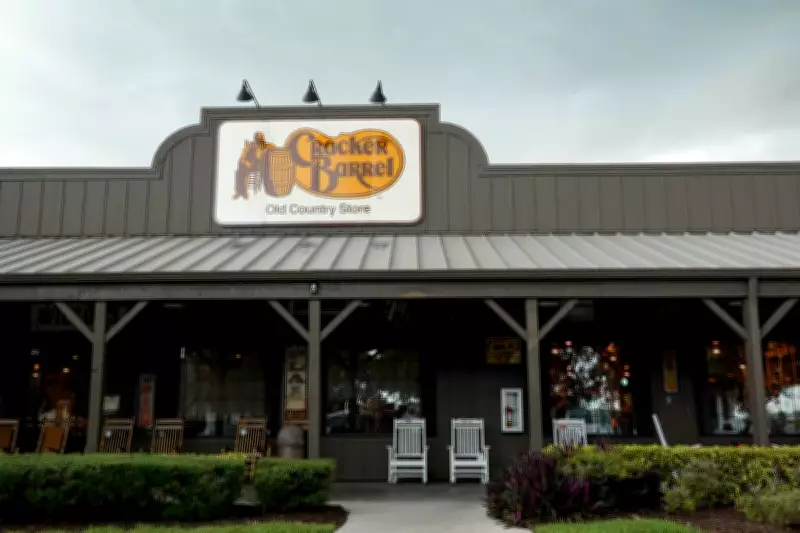
In a significant move to curb expenses, the American restaurant chain Cracker Barrel has rolled out a stringent new policy that mandates employees traveling for work to dine exclusively at its own establishments. This directive forms part of a broader cost-reduction strategy as the company grapples with declining customer footfall and sluggish revenue growth.
Details of the Updated Guidance
The updated guidance explicitly states that staff members on business trips are now prohibited from eating at any restaurants other than those operated by Cracker Barrel. Additionally, the policy introduces stricter controls on alcohol reimbursements, requiring prior approval from senior leadership for any such purchases to be covered. These measures are designed to tighten financial oversight and reduce discretionary spending across the organisation.
Background: A Failed Rebrand and Financial Fallout
These cost-cutting initiatives come in the wake of a tumultuous period for the chain, marked by a disastrous rebranding effort in 2025. That year, Cracker Barrel attempted to modernise its image with a new logo and plans to update restaurant interiors, alongside menu alterations. However, these changes provoked significant backlash from loyal customers, leading to a reported $94 million loss in market value. The negative reaction forced the company to ultimately abandon the proposed rebrand, but the financial repercussions have persisted.

Ongoing Challenges and Strategic Response
Facing continued challenges from reduced customer traffic and slowed revenue growth, Cracker Barrel is now focusing on internal efficiencies to stabilise its finances. The new dining and reimbursement rules are a clear indicator of the company's urgent need to control costs. By restricting employee dining options and tightening approval processes, the chain aims to mitigate further financial strain while navigating the aftermath of its rebrand misstep.
This approach reflects a broader trend in the retail and hospitality sectors, where businesses are increasingly scrutinising operational expenses to maintain profitability in a competitive market. As Cracker Barrel implements these measures, it remains to be seen how they will impact employee morale and overall company performance in the long term.