Domino's Pizza Faces Order Decline Amid Economic Pressures and Strategic Shift
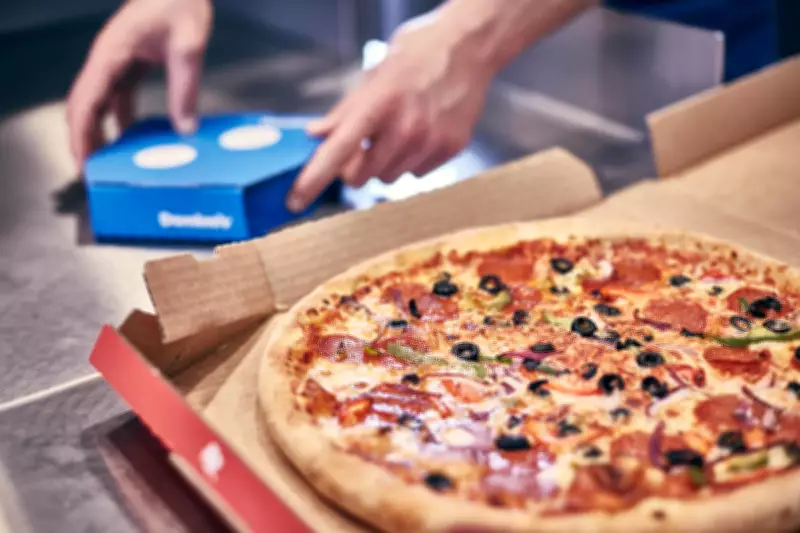
Domino's Pizza experienced a notable decrease in order volumes across the UK and Ireland last year, as the takeaway giant navigated challenging economic conditions and implemented price adjustments to manage rising operational costs. The pizza delivery chain, which operates approximately 1,400 stores in the region, recorded 71.1 million orders in 2025, marking a 0.9 per cent decline compared to the previous year.
Financial Performance and Market Challenges
This reduction in order numbers contributed to a significant 15 per cent fall in the group's underlying pre-tax profit, which settled at £91.2 million. Despite this downturn, system sales—representing total revenue from both franchised and company-owned outlets—increased by 1.5 per cent to £1.6 billion year-on-year. This growth was primarily driven by a 4 per cent rise in prices, even as sales volume declined by 2.5 per cent.
Domino's attributed the franchisees' price adjustments in 2025 largely to offsetting higher costs stemming from employment taxes, following an increase in national insurance rates. The company also cited rises in the national minimum wage as factors that added to its overall wage bill.

Leadership Insights and Strategic Adjustments
Domino's interim chief executive, Nicola Frampton, described 2025 as a "difficult year for all", with weaker consumer confidence negatively impacting order numbers. "Franchisees have had to put prices up," she explained to the Press Association. "We've worked really hard not to do that, but we've had some significant incremental cost flow through the employment changes that came through."
Ms Frampton emphasised that the company has strived to balance price increases with service quality, noting that many brands have either raised prices substantially or reduced service levels. "I think we've got the balance right in terms of how we've approached it," she stated.
Future Outlook and Operational Strategies
Looking ahead, Domino's expressed optimism for 2026, reporting a positive start to the year and anticipating a boost from its recently launched chicken sub-brand, Chick 'N' Dip. The company rolled out this brand nationwide in September to capitalise on the rapidly growing demand for chicken in the UK.
Ms Frampton highlighted that, since stepping into the interim chief executive role following the abrupt departure of previous boss Andrew Rennie, the company's strategy has shifted. "The only thing that has fundamentally and significantly changed is that we're not looking for a second brand," she said, referring to Mr Rennie's earlier suggestions about acquiring another food brand for expansion. This idea has been "parked" after the Chick 'N' Dip trial demonstrated that purchasing a major brand was unnecessary to access the growing chicken market.
Expansion and Adaptation Efforts
In response to ongoing challenges, Domino's is implementing several measures to mitigate future cost increases, such as another minimum wage rise scheduled for April and changes under the Employment Rights Acts affecting staff hours and working patterns. The company plans to use artificial intelligence (AI) for more efficient staff scheduling and demand forecasting, alongside benefiting from easing food inflation this year.
Additionally, Domino's opened 31 new stores in 2025 and aims for a similar number of openings in 2026, reflecting confidence in the business's future. Ms Frampton also addressed health-conscious consumer trends, noting that Domino's is broadening its product range to include lighter portions and lower-calorie options.
Despite the challenges, Domino's shares rose by approximately 5 per cent on Tuesday, indicating some investor confidence in the company's strategic direction and resilience.