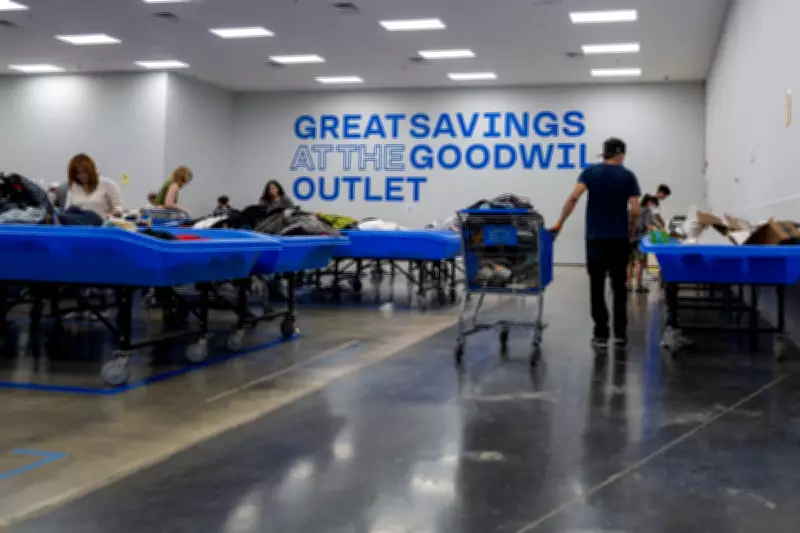
Americans are dramatically increasing their purchases of secondhand clothing as they seek to reduce expenses and conserve their financial resources, according to a comprehensive new report. This trend is not only marked by more frequent shopping at thrift stores and online resale platforms but also by consumers spending less money on each individual transaction.
Bank of America Data Reveals Spending Shift
The Bank of America Institute published a report on Tuesday, utilising aggregated credit and debit card data, which highlights a significant behavioural change. "The number of secondhand fashion transactions per household grew nine times faster than secondhand spending in March, yet consumers across all income groups are spending less on each purchase since April 2025," the report stated. This indicates a strategic move towards greater frugality, even within the already economical secondhand market.
Gen Z Leads the Sustainable Side Hustle
The secondhand clothing industry has experienced substantial growth and cultural attention in recent years, fuelled in part by social media trends showcasing thrift store hauls. Generation Z, defined in the report as individuals born after 1995, are at the forefront of this movement. They have transformed their enthusiasm for sustainable fashion into a viable income stream.

This demographic represented 41 percent of all secondhand sellers in 2026, a notable increase from 37 percent just two years prior in 2024. Furthermore, the overall count of Bank of America customers engaging in selling pre-owned apparel surged by 16 percent in March 2026 compared to the same month the previous year.
Economic and Environmental Drivers
Secondhand shopping provides a dual benefit for many Americans: it offers financial relief amidst a challenging cost-of-living environment while simultaneously allowing consumers to feel positive about reducing their environmental footprint. The report contextualises this shift, noting, "As inflation persists, and retailers confront tariff costs, consumers are facing higher price tags on apparel – about five times higher than they were a century ago."
"Beyond discount apparel, secondhand fashion offers consumers an environmentally friendly and economical alternative to clothing purchases," the analysis concluded.
Inflation and Financial Insecurity Loom Large
The economic backdrop for this consumer behaviour is stark. Inflation rose sharply in March, primarily driven by elevated energy prices linked to geopolitical tensions. Official data shows the Consumer Price Index increased by 0.9 percent month-over-month in March, with the annual rise in the cost of goods and services reaching 3.3 percent. This remains significantly above the Federal Reserve's longstanding target of 2 percent annual inflation.
Financial pressure is widespread. A Bank of America Institute report from November 2025 revealed that nearly one quarter of all US households were living paycheck to paycheck last year. Although the growth rate of households with no budgetary flexibility has slowed nearly threefold from 2024 levels, the absolute number continues to climb.
Retirement Confidence Wanes
Adding to the financial anxiety, American confidence in long-term security is eroding. A separate annual survey released on Tuesday by the Employee Benefit Research Institute and Greenwald Research found that citizens are less assured about having sufficient funds for a financially stable retirement this year compared to previous periods.
Amid higher living costs and growing concerns over the future of social safety net programmes, only 64 percent of Americans now express comfort with their retirement savings—a telling indicator of the pervasive economic uncertainty driving the shift towards more prudent spending habits, including the embrace of the secondhand clothing market.