Weight-Loss Drug Surge Triggers Sales Slump at Plus-Size Men's Retailer
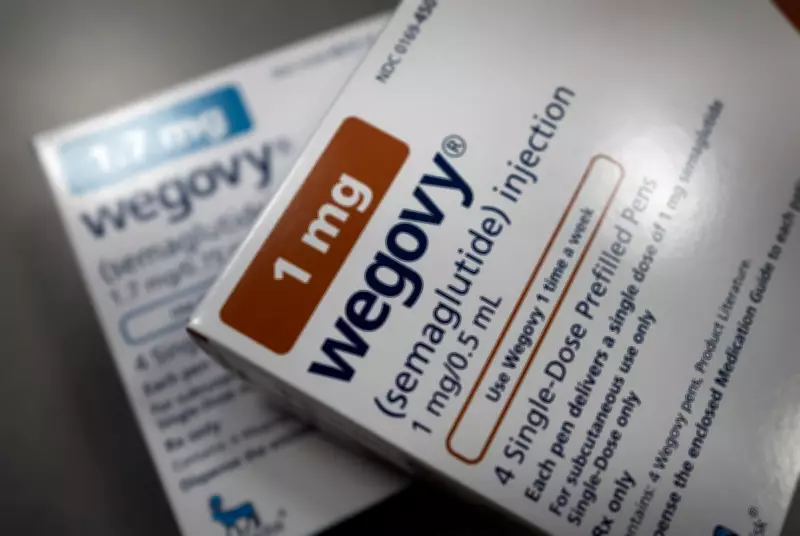
The growing popularity of GLP-1 weight-loss medications such as Ozempic and Wegovy is reshaping consumer markets, with Destination XL Group, a leading plus-size men's clothing chain, reporting a significant 6% decline in quarterly sales. The retailer's financial results for the fourth quarter of fiscal 2025, ending January 31, 2026, revealed total sales of $112.1 million, down from the previous year, as American consumers increasingly turn to pharmaceutical aids for weight management.
CEO Acknowledges Unanticipated Business Impact
In a recent analyst call, DXL CEO Harvey Kanter expressed surprise at the extent of the disruption caused by weight-loss drugs. "We didn't think it was going to be impacting the business as much at the level we think today it is," Kanter stated, highlighting the volatility introduced by customers fluctuating in size due to medication usage. He noted that some individuals are reducing clothing sizes while on the drugs, while others are returning to larger sizes after discontinuing use, creating unpredictable demand patterns.
Kanter suggested that consumers undergoing weight-loss journeys may be postponing clothing purchases until they reach a stable weight. "Typically, weight loss of any kind up or down is a friend of ours. But I think right now, we're in a pattern where they're losing weight and they're on a journey, and they're trying not to buy clothes until they're done with that journey. So we do think it will come back," he explained, expressing cautious optimism for a future rebound in sales.

Broader Trends in GLP-1 Drug Adoption
The impact on DXL reflects wider societal shifts, as evidenced by a November poll from health policy organization KFF, which found that one in eight U.S. adults is currently using a GLP-1 drug for weight loss, diabetes, or other chronic conditions. Nearly 20% of adults have tried such medications at some point. However, challenges persist, with a Cleveland Clinic study indicating that 47.6% of users discontinue due to financial constraints, including lack of insurance coverage or high out-of-pocket costs, while side effects and drug shortages account for additional drop-offs.
Industry Challenges and Future Outlook
Beyond weight-loss drugs, the plus-size apparel sector faces multiple headwinds. Kanter cited soft traffic, cautious consumer sentiment, and reduced shopping frequency, with customers prioritizing essentials and lower-priced items. Despite a 5.8% decline in comparable sales during the holiday season, worsened by severe Arctic weather in late January, DXL has seen a modest improvement, with February sales down only 1.3% and early March following a similar trend.
Looking ahead, DXL is pursuing strategic growth through a merger with FullBeauty Brands, scheduled for the second quarter of fiscal 2026. This consolidation aims to create a dominant retailer in inclusive apparel, projecting $1.2 billion in revenue and $25 million in annual cost synergies, positioning the company for long-term value creation amidst evolving market dynamics.