Valve's Steam Machine Console Delayed and Priced Up by AI-Driven RAM Shortage
Valve has announced a delay and price increase for its highly anticipated Steam Machine console, citing a global shortage of RAM and storage components. The compact gaming PC, initially slated for a first-quarter 2026 release, will now arrive in the "first half" of the year, according to an official blog post from the company.
Production Challenges and Pricing Uncertainty
The rapid expansion of AI datacentres has more than doubled the price of RAM, creating a critical bottleneck for Valve's production plans. Valve stated, "The memory and storage shortages you've likely heard about across the industry have rapidly increased since then. The limited availability and growing prices of these critical components mean we must revisit our exact shipping schedule and pricing." This has forced the company to postpone the announcement of specific pricing details, which were originally expected by now.
Speculation around the Steam Machine's price has emerged from a Czech retailer's listings, suggesting figures of approximately £708 for a 512GB model and £796 for a 2TB version. However, these are unconfirmed estimates from an authorised third-party seller and may include mark-ups. Valve has indicated that the final price will be "comparable to a PC with similar specs" and positioned near the entry-level of the PC market, aligning with other consoles on sale.

Launch Strategy and Hardware Details
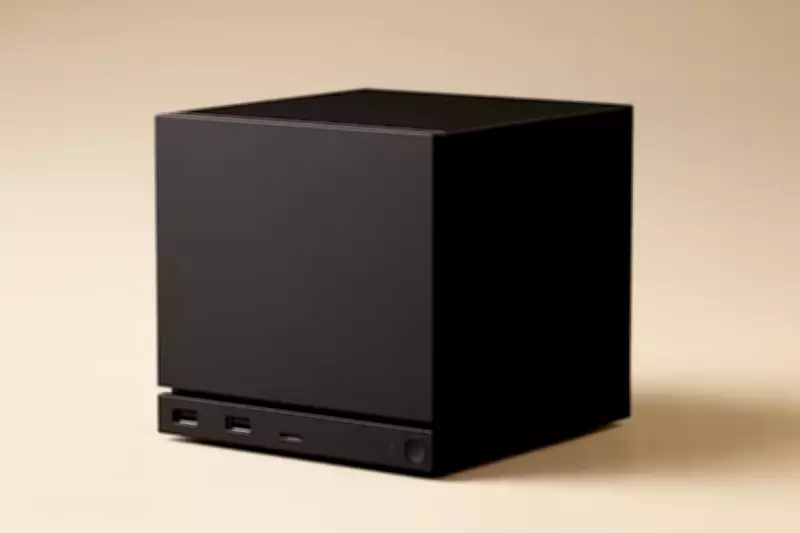
Valve plans to distribute the Steam Machine similarly to the Steam Deck, selling it directly through Steam and via regional partners, potentially using an invitation-only rollout initially. The console is designed as a living-room device, small enough to fit under a TV, and promises smooth 4K gaming powered by a custom AMD chip. It features a cube-like design, measuring about six inches, with a magnetic removable front plate and plans for user-customisable 3D-printed designs.
Key specifications include:
- Two models: 512GB and 2TB storage options, both expandable via microSD cards.
- 16GB of RAM and support for NVMe SSD upgrades.
- Ports include HDMI 2.0, DisplayPort 1.4, USB-A, USB-C, and Gigabit Ethernet.
- Built-in Wi-Fi 6E, Bluetooth 5.3, and a wireless receiver for the Steam Controller.
The Steam Machine runs SteamOS but is not locked down, allowing users to install other operating systems and third-party apps. It supports features like HDR, AMD FreeSync, and ray tracing, with early demos showing performance comparable to a PS5 Pro in games like Cyberpunk 2077.
Impact on the Gaming Market
Following the success of the Steam Deck in 2022, the Steam Machine aims to compete with living-room consoles from PlayStation and Xbox. Valve's delay highlights broader industry challenges, as AI-driven demand strains supply chains. The company's innovative approach, including a console-style design with PC flexibility, could reshape the gaming landscape once it launches.
As Valve navigates these production hurdles, gamers await further updates on pricing and exact release dates, with the Steam Machine poised to offer a powerful, versatile alternative to traditional consoles.