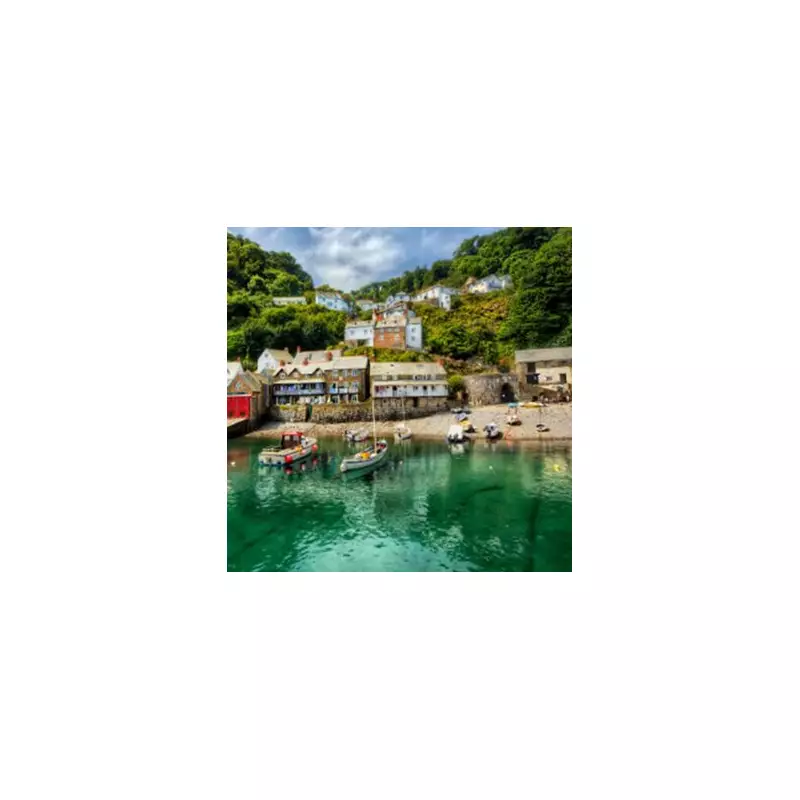
Nestled on the rugged north Devon coast lies Clovelly, a picture-perfect village that offers visitors a rare chance to step back in time. With its enchanting harbour, quaint whitewashed cottages, and steep cobbled main street, this car-free haven feels like a living relic from the 1800s, preserved in a bubble of historical charm.
A Village Shrouded in Seclusion
For centuries, Clovelly remained largely unknown to the outside world, its isolated location guarded by the sea and formidable 400-foot cliffs. It wasn't until the mid-19th century that this hidden gem began to capture wider attention. The village's unique topography means access is via a steep, cobbled route that winds its way up from the harbour, a design that has shaped its character and daily life.
Transportation Through the Ages
Historically, donkeys were employed to haul goods from the harbour to the village, but today these animals enjoy a more leisurely existence in their stables, where children can visit them. In their stead, residents primarily use sledges to drag food and supplies to shops and homes, a practical solution to the challenging terrain. The complete ban on cars within the village creates a uniquely peaceful and atmospheric environment, free from modern vehicular noise and pollution.

A Rich Tapestry of History
Evidence of human habitation in the Clovelly area dates back to the Iron Age, but its recorded history begins with William the Conqueror, who acquired it from its Saxon owner after the Norman invasion of 1066. The manor was purchased by Judge Sir John Carey in the late 14th century, remaining in his family for an impressive 400 years.
Transformation by the Sea
In the late 16th century, George Carey oversaw the construction of a formidable stone breakwater, creating a harbour that provided the only safe haven for ships along this treacherous stretch of coast. He also commissioned cottages and fish cellars at the cliff's base, shifting the village's economic foundation from agriculture to fishing. In the early 1700s, the Hamlyn family acquired the estate, with Christine Hamlyn renovating many old cottages and establishing a car park at the village's summit where visitors must leave their vehicles.
Ownership and Preservation
Today, the entire village remains privately owned by John Rous, a descendant of the Hamlyn family, who oversees all houses, buildings, and surrounding land. To help maintain this historical treasure for future generations, visitors are required to pay an entrance fee, which contributes to the village's upkeep and preservation efforts.
Attractions and Timeless Appeal
Once inside Clovelly, tourists can explore numerous attractions that highlight its heritage. The main cobbled street, lined with quaint whitewashed cottages—many of which are listed buildings—offers breathtaking views and a tangible sense of history. The 12th-century Grade I listed All Saints Church stands on the site of the original Norman church, while the Kingsley Museum and Fisherman's Cottage provide authentic glimpses into village life through the ages.
Sustainable Traditions and Local Crafts
Fishing continues on a sustainable basis, with locally caught crab, lobster, and herring featuring in annual festivals. A stroll along the quay reveals the immense structural achievement of villagers who manually positioned huge boulders to create the harbour. Tours of the historic lifeboat station delve into its vital heritage and the local campaign to retain it. For shoppers, unique handcrafted products range from silks and pottery to soap, while the village brewery offers a wide selection of local Devon beers, ciders, wines, and spirits.
Artistic Inspiration and Modern Admiration
Clovelly has long captivated artists and writers, with J.M.W. Turner painting its harbour around 1822—a work now housed in the National Gallery of Ireland—and Charles Dickens referencing it in his 1860 story A Message From the Sea. Contemporary visitors continue to praise its charm, with recent Tripadvisor reviews describing it as "the best day out ever" and noting sightings of dolphins and seals in the bay, alongside friendly staff and residents who enhance the welcoming atmosphere.

This car-free village, with its blend of natural beauty, historical depth, and timeless ambiance, offers a truly unique escape from modern life, inviting all who visit to experience a slice of living history.