Australians planning international travel are being warned to brace for significant flight cancellations and severe disruptions across the Middle East. The urgent alert comes as Iran abruptly shut its airspace, escalating fears of potential US military action and internal unrest.
Immediate Travel Impact and Airline Response
The sudden closure of Iranian skies has thrown global flight paths into disarray. Qantas was forced to reroute a flight from Perth to Paris, which briefly turned back before navigating over Saudi Arabia. Real-time flight-tracking data revealed Iranian airspace to be virtually empty following the order.
Major international carriers are already taking evasive action. Germany's Lufthansa stated it will avoid both Iranian and Iraqi airspace 'until further notice,' while Air India confirmed it is rerouting or cancelling services, warning passengers of lengthy delays.

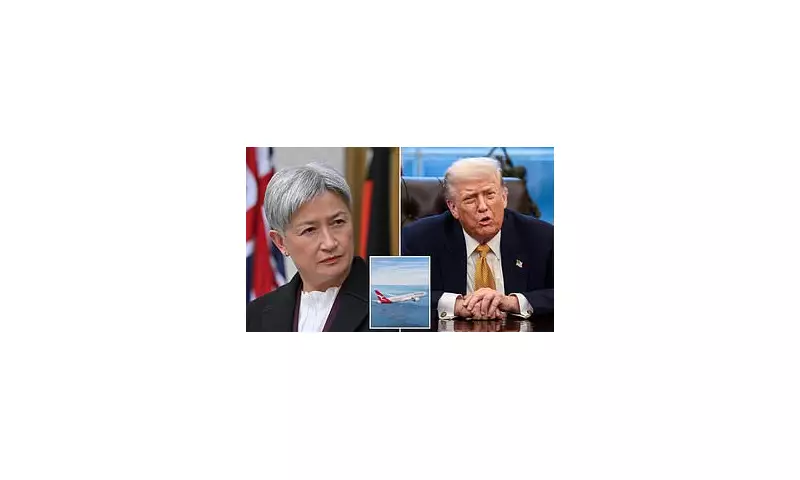
Australia's Foreign Minister, Penny Wong, addressed the volatile situation on Thursday, cautioning that events could deteriorate with little warning. 'This may result in airspace closures, flight cancellations, and other travel disruptions,' Senator Wong told reporters. 'I note there are already reports of this occurring online.'
Government Warnings and Safety Advice
The Department of Foreign Affairs and Trade (DFAT) has urgently updated its Smartraveller advice. The new guidance warns of specific threats from missiles and drones originating from neighbouring states. Australians currently in Iran have been urged to depart immediately if they can do so safely.
The government has also issued stark travel advice for the broader region. Australians are advised:
- Not to travel to Iraq, Yemen, Syria, or the occupied Palestinian territories.
- To reconsider their need to travel to Lebanon and Israel.
'The security situation in the Middle East is unpredictable,' DFAT's warning states. 'Conflicts could escalate quickly, leading to airspace closures, flight cancellations and other disruptions. Prioritise your safety, monitor events and follow local advice.'
Root Causes and Political Stance
The crisis stems from intense internal pressure within Iran, marked by a bloody crackdown on nationwide protests driven by a deep economic crisis and demands for political change. This represents the country's most serious internal challenge in years.
According to the US-based Human Rights Activists News Agency, the state crackdown has left at least 2,586 protesters dead. The unrest unfolds under mounting global pressure, compounded by strikes from Israel and the US last year.
Foreign Minister Penny Wong condemned Tehran's actions, stating Australia stands with the Iranian people against 'a brutal regime engaging in the oppression of its citizens.' She highlighted that the current government has taken stronger action than any previous Australian administration, citing expanded sanctions, the expulsion of Iran's ambassador, and the listing of the Iranian Revolutionary Guard Corps.
Internationally, the situation remains tense. While US President Donald Trump previously consulted his national security team about potential next steps, he later appeared to soften his stance. During an Oval Office press conference, Trump noted, 'We've been told that the killing in Iran is stopping,' but added his administration is 'watching closely' and retains the option to order strikes.
For now, Qantas has stated it is monitoring the Middle East situation closely, confirming that, at this stage, its flights between Australia and Europe are operating as scheduled, albeit on altered routes.