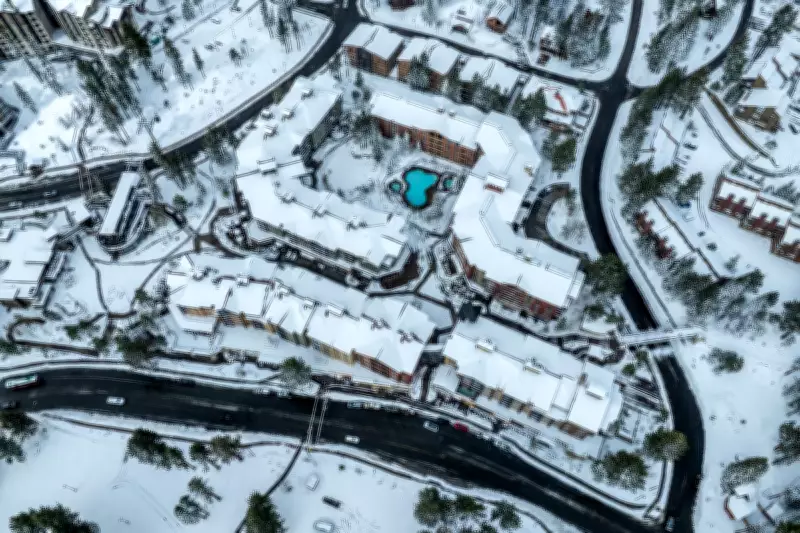
A significant spring snowstorm has delivered a late-season boost to California's eastern Sierra Nevada, dumping more than 3.5 feet (1 meter) of snow and prompting the extension of the ski season at Mammoth Mountain. This unexpected weather event comes just weeks after a March heat wave melted much of the state's snow, forcing numerous ski resorts to close prematurely.
Snowfall Amidst Water Worries
The weekend storm, which brought heavy snowfall between Friday and Sunday, has been described as "great to create a late-season snowpack" by the UC Berkeley Central Sierra Snow Lab. However, the lab cautioned on social media that record warm temperatures this winter mean the region remains "well below average for the water year."
On April 1, the Sierra snowpack—a critical source providing one-third of California's water—was measured at just 18% of average near Lake Tahoe, marking the second-lowest reading for that date on record. This alarming deficit underscores broader concerns about water shortages exacerbating the ongoing significant drought, unless an unexpected deluge occurs.

Transport Disruptions and Weather Hazards
The storm caused notable disruptions, including the temporary closure of Interstate 80 in Northern California due to blizzard conditions on Sunday. Chain controls were enforced early Monday along this vital route connecting San Francisco and Lake Tahoe. Additionally, the system brought strong winds, heavy rain, and hail to many areas, with a tornado touching down near Sacramento, though no damage was reported by the National Weather Service.
At Mammoth Mountain, 11 lifts were operational on Monday, with skies clearing but another couple of inches (5 centimeters) of snow possible. The resort's daily report advised caution, noting that "while fresh snow may look inviting, hazards like dirt, rocks, and bushes remain just below the surface. Ski and ride with caution and avoid venturing off trail."
Broader Climate Context
This late-season snowfall contrasts sharply with the broader trend across the U.S. West, where snow has been vanishing after a warm winter with poor skiing conditions gave way to early spring record heat. For instance, Colorado recently reported its worst snowpack since statewide recordkeeping began in 1941.
The implications extend beyond recreation. Cities in the region are imposing water-use restrictions, ranchers are grappling with how to feed and water their cattle, and the threat of devastating wildfires looms large. Officials warn that the low snowpack measurements are a clear indicator that water shortages could worsen, highlighting the urgent need for sustainable water management strategies.