Split Proposes Nighttime Alcohol Sales Ban to Tackle Tourist Disorder
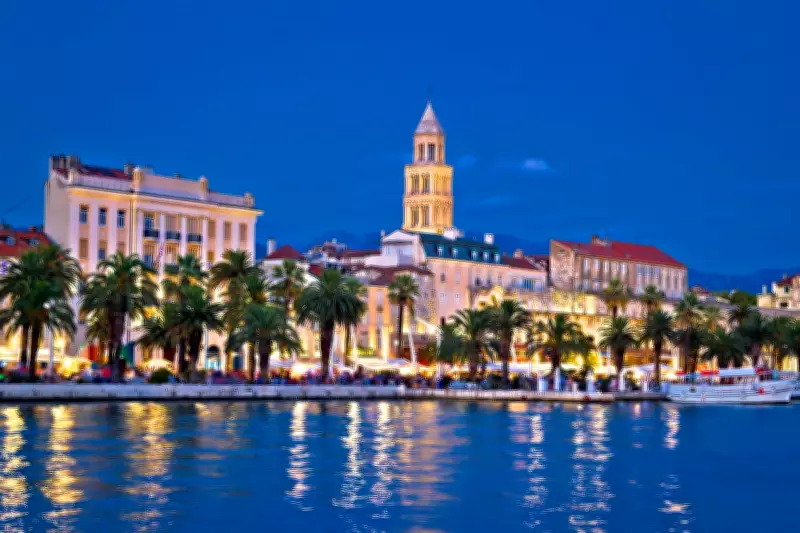
The popular Croatian tourist destination of Split is moving to implement a ban on the sale of alcohol in shops during late-night hours, as part of efforts to curb disorderly behaviour among visitors. Mayor Tomislav Šuta announced the proposal on Thursday, targeting a restriction from 8pm to 6am in specific areas with high concentrations of bars, clubs, and shops that attract nightlife crowds.
Mayor's Statement on the Proposed Ban
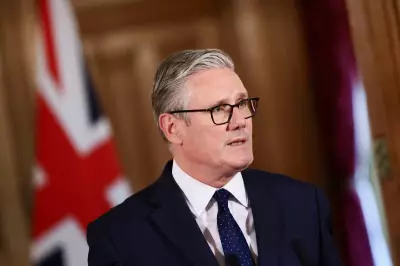
According to Croatian outlet Net.hr, Mayor Šuta stated that the city has submitted a proposal to amend the Trade and Hospitality Act. "We are moving towards limiting nighttime work in accordance with the new law, with the aim of introducing order," he said. He emphasised that the City of Split will engage in public consultation to reach a consensus decision important for residents.
The mayor explained that the ban focuses on areas where safety and quality of life for tenants are impaired due to disturbances. He has not ruled out extending the measure to other parts of the city in the future.

Details of the Alcohol Sales Restriction
The proposal, which city councillors will vote on, seeks to enforce the ban on alcohol sales in liquor shops during the specified hours. It is important to note that this restriction would not apply to licensed venues such as clubs, bars, and restaurants, allowing them to continue operating as usual.
This move aligns with broader Croatian efforts to address unruly tourist behaviour. In cities like Split and Dubrovnik, authorities have implemented on-the-spot fines for actions such as:
- Drinking alcohol or using drugs in public spaces
- Urinating or vomiting in public areas
- Sleeping in public spaces
- Walking shirtless or in swimwear through towns
- Wearing clothing that promotes drug use
- Climbing on monuments
Fines for more serious public disturbances, such as fighting, verbal abuse, drunken behaviour, or insulting police officers, can reach up to €4,000.
European Context and Global Trends
Curfews on alcohol sales are not uncommon across Europe. The European Commission reports that most EU member states impose limits on the location and timing of alcoholic beverage sales, both on- and off-premises. For example, in Norway, alcohol cannot be purchased in shops past 8pm on weekdays, past 6pm on Saturdays, and not at all on Sundays.
In contrast, some countries are relaxing alcohol sale bans to boost tourism and migration. Saudi Arabia has begun allowing wealthy foreign residents to buy alcohol, while Thailand has temporarily lifted a ban on afternoon alcohol sales as part of a six-month trial period.
The Independent has reached out to the Croatia Tourism Board and Split County Council for further comment on the proposal.