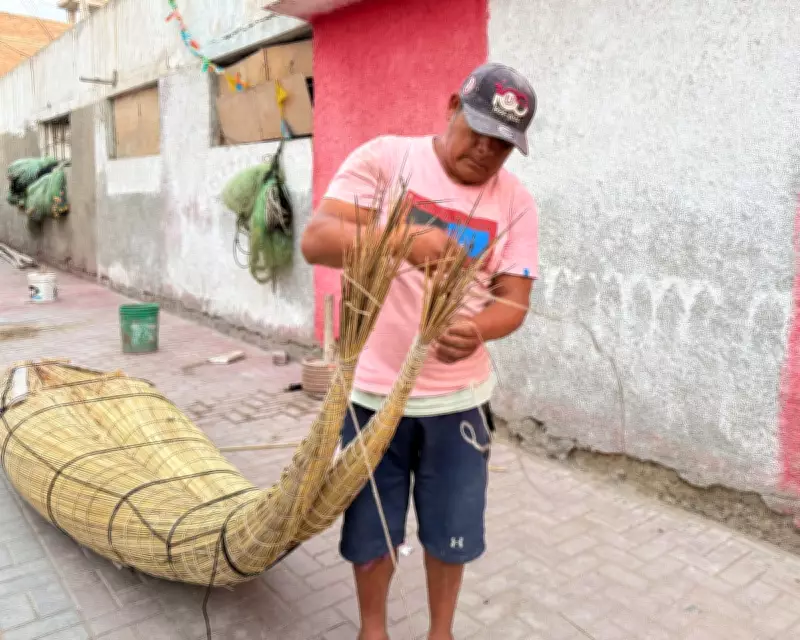
Surf Tourism in Peru Revives Ancient Reed Boat Fishing Culture
In a remarkable fusion of modern adventure and ancient heritage, surf tourism in Peru is playing a pivotal role in preserving the country's traditional reed boat fishing culture. This initiative is not only attracting wave riders from around the globe but also providing vital economic support to coastal communities, ensuring that centuries-old practices are passed down to future generations.
Economic Boost from Wave Riders
The influx of surf tourists has injected new life into local economies, with visitors spending on accommodations, guided tours, and cultural experiences. This financial uplift has enabled fishermen to maintain their reed boat craftsmanship, a skill that dates back to pre-Columbian times. By integrating surfing with cultural tourism, communities are finding sustainable ways to thrive without abandoning their ancestral roots.
Preservation of Reed Boat Traditions
Reed boats, known locally as "caballitos de totora," have been used for fishing in Peru for over 3,000 years. However, modernization and economic pressures had threatened to erase this unique aspect of Peruvian heritage. Now, with surf tourism generating interest and revenue, there is a renewed focus on teaching younger generations the art of building and navigating these traditional vessels, safeguarding a piece of living history.

Cultural and Environmental Synergy
This movement goes beyond mere preservation; it fosters a deeper connection between tourists and the local environment. Surfers often participate in community-led efforts to protect coastal ecosystems, which are crucial for both surfing conditions and the sustainability of reed boat fishing. This synergy highlights how responsible tourism can support cultural longevity while promoting environmental stewardship.
Challenges and Future Prospects
Despite the positive impact, challenges remain, such as balancing tourism growth with cultural authenticity and environmental protection. However, ongoing collaborations between surf organizations, local leaders, and heritage groups aim to address these issues, ensuring that the revival of reed boat culture continues to benefit both residents and visitors alike.