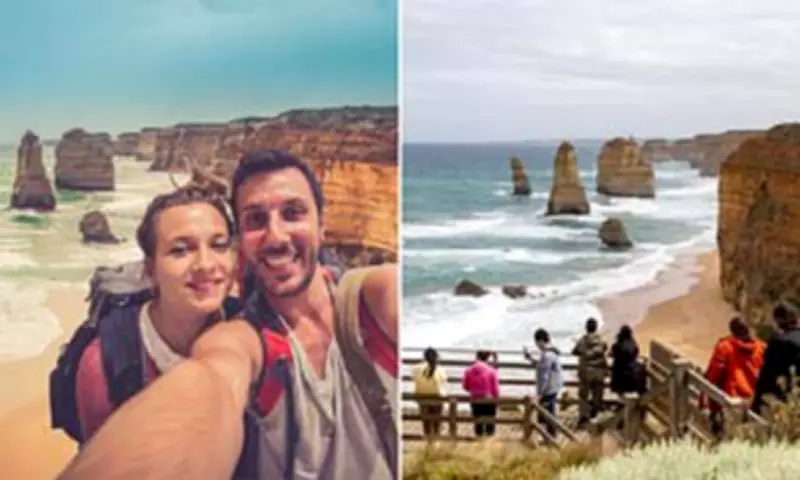
Victoria Introduces Admission Fee for Twelve Apostles to Manage Tourism and Protect Environment
Millions of tourists visiting one of Australia's most iconic natural wonders will soon face an admission charge, as Victorian Premier Jacinta Allan announces plans to transform the Twelve Apostles into a paid attraction. The move, set to be officially confirmed on Monday, aims to better manage crowds, safeguard the coastline, and stimulate local economies along the Great Ocean Road, which draws approximately 6.8 million visitors annually.
Exemptions and Implementation Details
Local residents and members of the Eastern Maar Indigenous community will be exempt from the entry fee, though the exact amount remains undetermined pending consultations with local councils, traditional owners, and businesses. The fee is scheduled to take effect later this year, coinciding with the opening of a new $126 million visitor centre. Additionally, a booking system will be introduced to regulate visitor numbers and parking during peak periods, enhancing overall management of the site.
Rationale and Support from Officials
Environment Minister Steve Dimopoulos emphasized the fairness of the user-pays model, stating, "It's only fair that visitors to the region pay a small fee to visit this world-class destination so that we can invest in the future of the Great Ocean Road region and ensure every single cent spent there stays there." The fee will be collected by the Great Ocean Road Parks and Coastal Authority to fund upgrades to beach access, visitor facilities, and maintenance of historic landmarks. This decision follows a joint proposal six months ago by Great Ocean Road Regional Tourism and Corangamite Shire Council, who urged the government to seize this "once-in-a-generation" opportunity.

Context and Comparisons
The Twelve Apostles, with only seven limestone stacks remaining of the original twelve along the heritage-listed coast, attract over two million visitors yearly. The new fee aligns the site with other iconic Australian tourist spots like Uluru-Kata Tjuta National Park, Kosciuszko National Park, and Wineglass Bay Lookout. This move comes after the Great Ocean Road faced closures in January due to extreme flash flooding, highlighting the need for sustainable management and protection of the area.
Mixed Reactions from Public and Officials
The announcement has sparked divided opinions among Australians. Critics, including 3AW host Jacqui Felgate—who grew up in the region—have labeled the move "utterly appalling," with one Aussie expressing disappointment, saying, "This just stops people from being able to see our natural wonders." Conversely, local state MP Richard Riordan supports the idea but criticizes the government's priorities, noting, "This government has managed to find some $130m to build a new toilet block complex but has failed to put a wastewater management plan in place, prioritizing foreign visitors over local environmental safety."
Overall, the introduction of the admission fee represents a significant shift in managing Victoria's premier tourist destination, balancing economic benefits with environmental conservation and crowd control efforts.