Nestled along the picturesque Sussex coastline, the village of Lancing stands as a remarkable anomaly in the UK's urban landscape. With a population of approximately 19,000 residents, it proudly holds the title of the largest village in the country, yet it steadfastly retains its village status despite outgrowing numerous established towns and even some cities.
A Coastal Gem with Urban Scale
Located between Worthing and Shoreham-by-Sea, Lancing offers residents and visitors alike a charming blend of coastal tranquility and community spirit. The village is renowned for its shingle beaches that provide panoramic sea views, creating an idyllic setting for both daily life and seaside excursions. Coastal paths wind along the seafront, leading to attractions like the award-winning café, The Perch, which serves everything from brunch and burgers to sharing roasts and homemade desserts.
Surprising Infrastructure for a Village
What makes Lancing particularly extraordinary is the scale of its amenities, which typically belong to much larger settlements. The village boasts its own train station, providing convenient connections along the Sussex coast. Several hotels near the beach accommodate visitors, while unique features include a Mermaid School and the impressive Lancing College Chapel – recognized as the largest school chapel in the world.

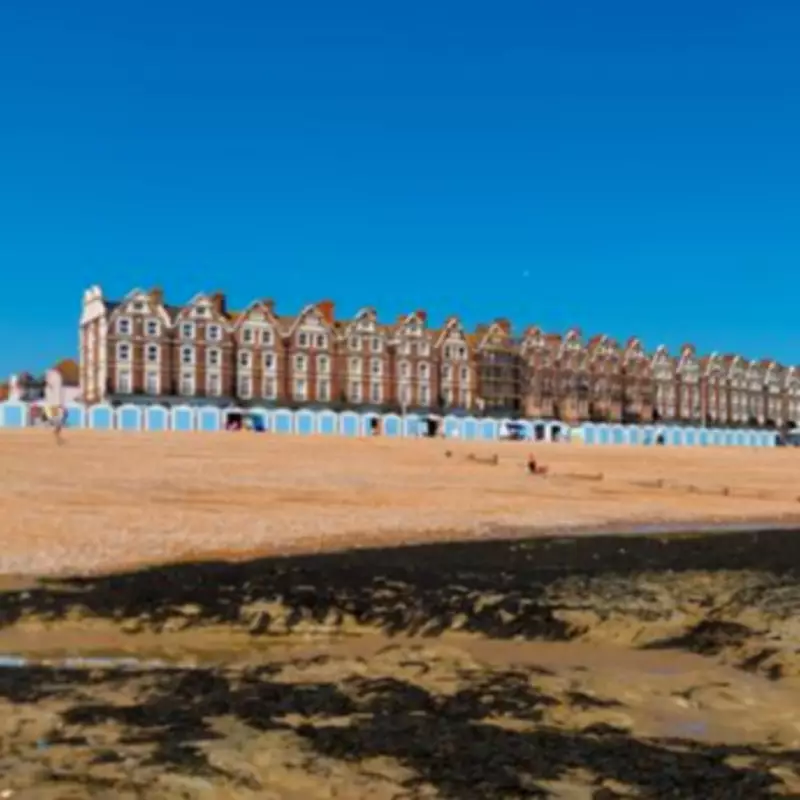
Further enhancing its appeal, Lancing contains the rare Widewater Lagoon, a tranquil Sensory Garden, and even hosts Premier League training grounds. Colourful beach huts dot the shoreline, adding to the visual charm that draws both residents and day-trippers to this coastal community.
The Population Paradox
The demographic reality of Lancing creates a fascinating contradiction within traditional settlement classifications. With its 19,000 residents, the village significantly surpasses the population of many officially designated towns across England. For comparison, the town of Winchcombe in Gloucestershire has approximately 5,000 inhabitants, while the city of Wells in Somerset counts around 12,000 residents.
According to the House of Commons Library's research briefing on city and town classifications, settlements with populations between 7,500 and 24,999 typically qualify as small towns. By this measure, Lancing comfortably falls within the small town category, yet it maintains its village designation through historical precedent and local preference.
Community Pride in Village Status
Despite the numerical evidence suggesting town status might be more appropriate, many Lancing residents take pride in their village identity. James Brown, director at Robert Luff and Co estate agents, explained to Sussex Live: "I think a lot of people are surprised it isn't a town. Although we are quite glad it maintains its village status, as it helps us, and people living here like having that title."
Brown noted that the village's popularity has grown among those moving from Brighton & Hove seeking more affordable alternatives to Shoreham, making Lancing an increasingly attractive destination for coastal living without the urban designation.
The Blurred Lines of British Settlement Classification
The confusion surrounding Lancing's status highlights a broader ambiguity in how the UK defines villages, towns, and cities. Neither the National Planning Policy Framework nor national planning practice guidance provides definitive criteria for these distinctions, leaving classification to a mixture of historical interpretations, local authority decisions, and occasional dictionary references.
Planning organisation Land Tech has noted this lack of clarity, observing that we're left with "a delightful mix of historical interpretations, local authority classifications, and the occasional dictionary reference" when attempting to categorize British settlements.
This flexibility explains why exceptions abound throughout the country, from the famously compact city of St Davids in Wales with its minuscule population, to Lancing's substantial village that continues to grow without official reclassification.

Future Development and Potential Change
While Lancing currently embraces its village identity, change may be on the horizon. Brown suggested that "it is likely that it will become a town with new developments taking place, and if or when this happens, it could attract more businesses to the area."
This potential transition reflects the evolving nature of British settlements, where population growth and development gradually reshape communities regardless of their official titles. For now, Lancing remains a unique coastal destination that defies conventional categorization – a village in name that functions with the scale and amenities of a thriving town.
Visitor Appeal Beyond Status
Regardless of its official designation, Lancing continues to attract visitors drawn to its coastal charms. TripAdvisor reviews praise the beach as "very clean and tidy" and "great for families and winter walks," with particular appreciation for the sea views and beach huts. Another visitor noted the "plenty of facilities around for eating, exercising and for kids too," highlighting how this large village delivers experiences typically associated with much larger coastal towns.
As Lancing continues to grow and develop, it serves as a fascinating case study in how British communities evolve beyond their traditional classifications, maintaining historical identities while accommodating modern growth and visitor expectations along the beautiful Sussex coastline.