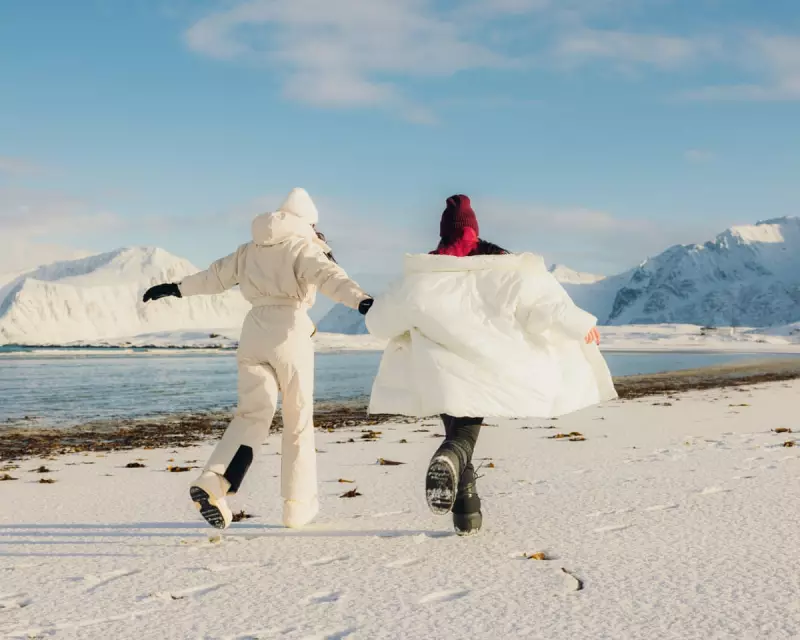
While many of us in the UK layer up for a brisk winter's day, our efforts pale in comparison to the residents of the planet's most frigid urban centres. For them, enduring temperatures that plummet far below freezing is a daily reality, demanding a specialised arsenal of clothing and gear. We asked seven writers living in some of the coldest cities on Earth to share the items they absolutely rely on to stay warm, from the windswept plains of Mongolia to the icy streets of Winnipeg.
Arctic-Tested Essentials for Extreme Cold
The recommendations gathered are not merely for occasional Arctic expeditions; these are pieces worn for everyday life, from commuting to work to walking the dog. The insights reveal a blend of high-tech innovation, like battery-heated jackets, and time-tested natural materials, such as Mongolian cashmere and Icelandic wool. Each item has been rigorously tested in some of the most challenging climates imaginable.
Travel journalist Breanna Wilson, reporting from Ulaanbaatar, Mongolia, highlighted three crucial items for surviving the harsh winter. For a nine-day dog-sledding adventure on a frozen lake, she swears by Ignik reusable foot warmers to maintain feeling in her extremities. She also relies on a sustainably made Gobi Cashmere Organic Sweater, noting that Mongolian cashmere offers superior warmth at a fraction of the usual cost. For outdoor activities like horseback riding, her Venustas Heated Jacket, with heating zones in the chest and pockets, is indispensable, especially as its removable battery can be recharged with a power bank.

Surviving the Alaskan Winter
From Anchorage, Alaska, writers Lisa Maloney and Julia O'Malley provided a comprehensive toolkit for battling cold, wind, and ice. O'Malley champions a simple Buff ThermoNet neckwear as a versatile shield against 40mph parking lot gusts, usable as a scarf or balaclava. For footwear, after a lifelong search, she found ultimate warmth in handmade Steger Mukluk boots, crafted from leather and thick wool felt.
Maloney emphasises the importance of traction on icy surfaces, recommending YakTrax Diamond Grip traction devices for city use. For deep cold, she envies a neighbour's Cotopaxi Fuego down overalls for their core insulation and freedom of movement. Both writers stress skin protection: O'Malley uses Farm to Feet Wilson 2.0 socks for outdoor adventures, while Maloney relies on Kiehl's Ultra Facial Overnight Hydrating Face Mask to combat raw, irritated cheeks from the dry air.
Canadian Prairies and Scandinavian Know-How
In Winnipeg, Canada, journalist Daria Salamon recommends clever layering. Her MEC Polypro Liner Gloves are touchscreen-compatible 'long johns for your fingers,' perfect for mild days or layering. For apres-ski or cabin weekends, North Face Thermoball Traction Booties have been a family staple for over 20 years. For daily wear, she pairs stylish yet functional Sorel Joan of Arctic suede boots with everything from ski pants to skirts.
Scandinavian expertise, curated by Jonna Dagliden Hunt, focuses on sleek functionality. A fashionable balaclava from Malina or Cos replaces bulky scarves, while residents use heated socks from brands like Lenz to ensure foot warmth. In Kuopio, Finland, Paula Hotti prioritises light layers, favouring North Outdoor mulesing-free merino wool base layers. She also insists on a long puffer jacket from CMP that falls below the knees and always wears Sorel waterproof slip-on boots to keep the cold from rising from the ground.

Icelandic Layering Philosophy
James Taylor, writing from Iceland, underscores the critical importance of proper layering in a land of rapidly changing weather. The base layer is paramount, and he chooses Zorali merino wool layers for their breathability and ability to insulate even when damp. Over this, the iconic, traditionally patterned Icelandic lopapeysa wool sweater, knitted from dual-layer lopi yarn, provides mid-layer warmth. The final defence is a 66°North Snæfell shell jacket, a lightweight, waterproof, and windproof layer trusted by Icelanders for city life and wilderness adventures alike.
The collective wisdom from these cold-weather capitals is clear: surviving and thriving in extreme winter conditions requires a strategic combination of technology, natural materials, and smart design. The right gear transforms a battle against the elements into manageable, and even enjoyable, daily life.