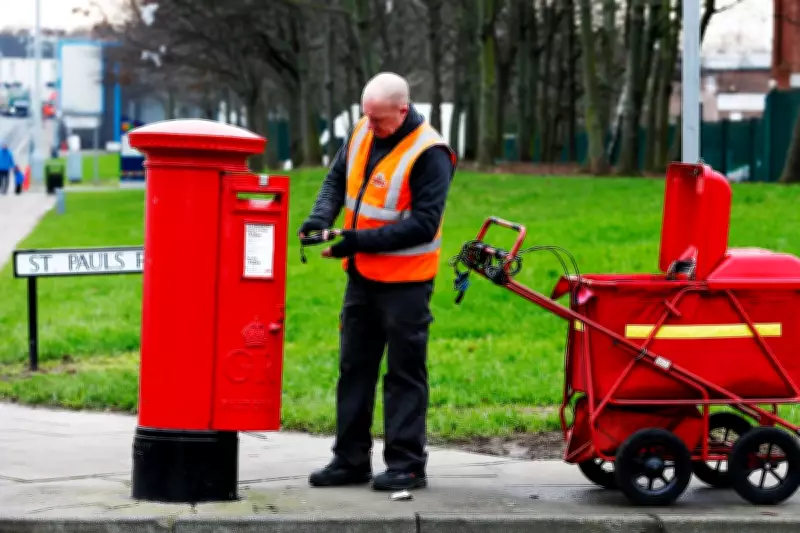
Royal Mail Announces Major £500 Million Investment to Overhaul Postal Service
Royal Mail has committed to a substantial £500 million investment plan aimed at significantly improving its delivery times and meeting stringent new regulatory targets. The announcement follows a recent agreement with the Communication Workers Union (CWU), which resolves a prolonged dispute over proposed changes to the postal service.
Key Changes to Letter Deliveries
Starting next month, Royal Mail will begin phasing in a new letter delivery model across the nation, pending consultation with union members. A major change involves the elimination of second-class post deliveries on Saturdays. Under the new system, second-class mail will be delivered only on alternate weekdays, marking a significant shift in the Universal Service obligations.
The investment is designed to enhance first-class next-day delivery performance to approximately 85% within nine months of the reforms being implemented. Royal Mail aims to achieve the 90% target set by regulator Ofcom within a year. For second-class letters, the company pledges to deliver 93% within three days over nine months, reaching the 95% target by May of the following year.

Regulatory Pressure and Past Penalties
Ofcom has emphasised the urgency for Royal Mail to implement these improvements promptly. The regulator recently fined Royal Mail a record £21 million in October for failing to meet previous delivery targets. In the 2024-25 period, Royal Mail delivered only 77% of first-class post and 92.5% of second-class post on time.
From April 1, Ofcom adjusted the delivery benchmarks, lowering the target for first-class next-day delivery from 93% to 90% and for second-class within three days from 98.5% to 95%. Additionally, a new enforceable backstop target requires 99% of mail to be delivered no more than two days late, ensuring greater accountability.
Funding and Workforce Adjustments
The £500 million investment over the next five years will be financed through savings generated by the changes to the Universal Service. Part of the plan includes an agreement to allow around 6,000 part-time postal workers to increase their average weekly hours if necessary, supporting the second-class post reforms.
Alistair Cochrane, Chief Executive of Royal Mail, stated, "We recognise our service hasn't always been the standard our customers rightly expect and we're determined to do better. The plan we've set out today shows how we'll make a step change in performance across the UK, backed by £500 million of investment over the next five years."
Union Agreement and Implementation Timeline
The agreement with the CWU, reached last week, is currently being put to union members for a ballot. This deal will see the Universal Service reforms extended initially to another 240 delivery offices, with completion across the full network of 1,200 offices by December.
Dave Ward, General Secretary of the CWU, commented, "We welcome any serious proposal that seeks to reverse customer service failings at Royal Mail, but what really matters is what happens on the ground to make that change happen." He highlighted concerns about proper resourcing, workforce retention, manageable workloads, and effective issue resolution.
Royal Mail, owned by International Distribution Services after its acquisition by Czech billionaire Daniel Kretinsky last year, had previously piloted these changes in 35 delivery offices. However, wider expansion was halted due to disagreements with the CWU. Ofcom had approved the scaling back of second-class letter deliveries starting from July 28, while maintaining first-class and parcels services unchanged.
Natalie Black, Ofcom's Group Director for Infrastructure and Connectivity, urged action, saying, "Now that's published, Royal Mail needs to get on and implement it. Their plan must deliver significant and continuous improvement, with performance getting back on track." This investment marks a critical effort to restore reliability and efficiency in the UK's postal system.