Sacked Foreign Office Chief Accuses No10 of 'Constant Pressure' Over Mandelson Vetting
Sir Olly Robbins, the recently dismissed Foreign Office permanent secretary, has delivered explosive testimony accusing Downing Street of applying "constant pressure" to fast-track Peter Mandelson's appointment as US ambassador while taking a "dismissive" approach to his security vetting.
'Get This Done' Atmosphere at Foreign Office
In dramatic evidence before the Foreign Affairs Committee, Sir Olly revealed he encountered an atmosphere of "get this done" upon arriving at the Foreign Office in January 2025. This urgency existed despite Lord Mandelson having been announced as Prime Minister Keir Starmer's choice for the Washington ambassadorship the previous December.
The former top official stated: "I'm afraid I walked into a situation in which there was already a very, very strong expectation. You will have seen the papers released already under the humble address coming from No10 that he needed to be in post and in America as quickly as humanly possible."

Sir Olly detailed how the first formal communication from No10 to his predecessor emphasized the need for speed, with instructions that Mandelson should be installed "before inauguration."
Security Vetting Concerns and Cabinet Office Questions
In a startling revelation, Sir Olly disclosed that the Cabinet Office had initially questioned whether Lord Mandelson required vetting at all, given his status as a member of the House of Lords and the Privy Council.
"I'm afraid I don't think, at the point of his appointment and for days thereafter, it was actually a given that he would be vetted," he told MPs.
The former permanent secretary further revealed that UK Security Vetting had suggested it was "leaning against" granting Lord Mandelson top-level security clearance, known as developed vetting. When asked what would have happened if clearance had been denied, Sir Olly responded: "It would have been very difficult indeed."
No10's 'Dismissive' Approach and Frequent Communication
Sir Olly described "very frequent communication" with No10 officials regarding the appointment, creating what he characterized as "an atmosphere of constant chasing."
He elaborated: "Never any interest, as far as I can recall, in whether, but only an interest in when." The communication occurred "certainly very frequent from private office to private office," though he could not specify exact frequency.
Despite these pressures, Sir Olly confirmed that due diligence checks had been completed by the Cabinet Office, and the developed vetting process was already underway when he assumed his position. Lord Mandelson had already received access to Foreign Office facilities and was being granted highly-classified briefings on a case-by-case basis.
Additional Pressure Over Matthew Doyle Appointment
In another revelation adding to the Prime Minister's difficulties, Sir Olly disclosed he had been instructed to find a "head of mission" diplomatic role for Matthew Doyle, then No10 communications chief, without informing Foreign Secretary David Lammy.
"I was under strict instruction not to discuss that with the then foreign secretary, which was uncomfortable," he testified. Sir Olly expressed uncertainty about "who exactly was behind" the suggestion or "how serious it was."
He explained his reservations: "I found it very hard to think how I would explain to the office what the credentials of Matthew were to be in an important head of mission role when I was in danger of making very senior, very experienced diplomats leave the office."
Mr. Doyle was ultimately made a peer after leaving Downing Street but later lost the Labour whip over connections to a convicted sex offender.
Political Fallout and Prime Minister's Position
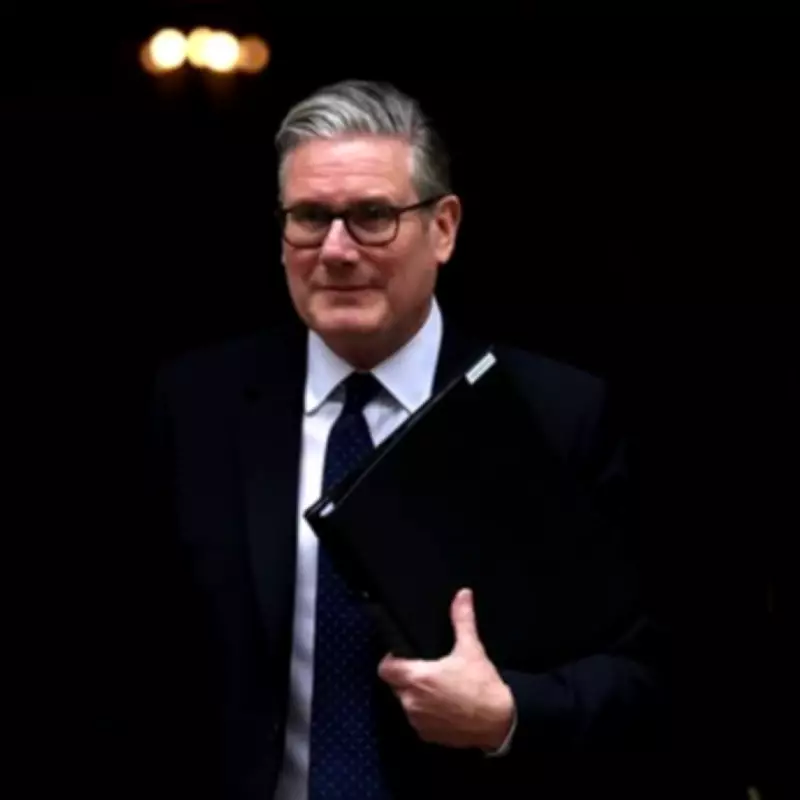
These revelations significantly increase pressure on Prime Minister Keir Starmer, who dismissed Sir Olly as Foreign Office permanent secretary last week amid renewed controversy over Lord Mandelson's appointment.
Mr. Starmer had previously expressed fury to MPs about being kept uninformed regarding security clearance concerns. Sir Olly's testimony represents a direct challenge to this narrative, suggesting No10 was deeply involved in expediting the process.

The testimony raises serious questions about due process in senior diplomatic appointments and the relationship between political offices and civil service procedures regarding security vetting for high-profile positions.