Despite flying being one of the safest modes of transport, a series of high-profile aviation incidents has left many UK holidaymakers feeling uneasy. As millions book trips during the January sales, the demand for reassurance about airline safety has never been higher.
The Incidents Shaking Passenger Confidence
Recent events have brought safety concerns sharply into focus. In December, a Ryanair flight bound for Faro collided with a fuel truck at Edinburgh Airport, forcing a full evacuation of passengers. Just two months earlier, on October 3, another Ryanair service from Pisa to Glasgow Prestwick issued a dramatic 'fuel Mayday', landing urgently in Manchester with reports it was within six minutes of running out of fuel mid-air.
The 2026 Airline Safety Rankings Unveiled
In response to this climate of concern, the Australian safety and product review website, AirlineRatings.com, has published its authoritative ranking of the world's safest airlines for 2026. The analysis scrutinised 320 carriers, evaluating flight records, audits from aviation governing bodies, crash histories, safety initiatives, pilot training standards, and fleet age.
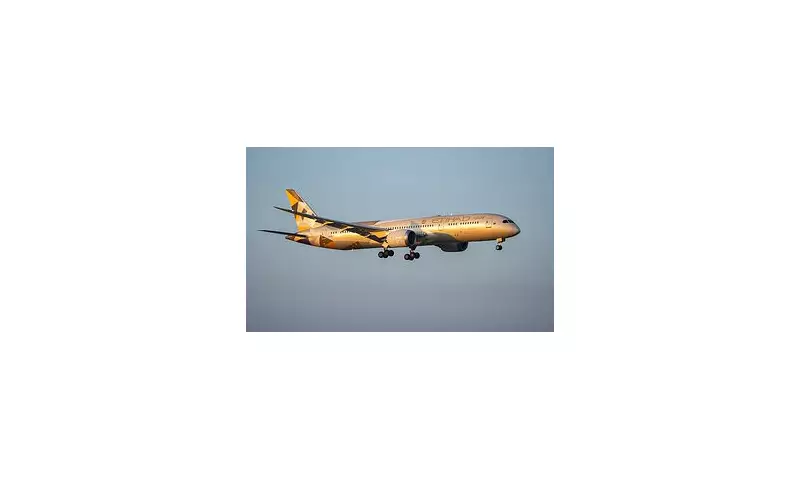
The results reveal a mixed picture for UK-based airlines. In the list of the top 25 safest full-service carriers globally, the UK's flag carrier, British Airways, ranks 18th. This represents a drop from its 15th-place position last year. The top five spots were claimed by Etihad, Cathay Pacific, Qantas, Qatar Airways, and Emirates.
Low-Cost Carriers: A Shift in the Rankings
The separate ranking for low-cost airlines shows more pronounced changes for UK operators. While EasyJet, TUI, Jet2, and Ryanair all feature within the top 20 safest budget carriers, most have fallen from their 2025 positions.
Ryanair's descent is particularly notable, plummeting from third safest last year to 18th place for 2026. EasyJet dropped from fourth to fifth, and Jet2 fell from 14th to 17th. The top five safest low-cost airlines are now HK Express, Jetstar Australia, Scoot, Fly Dubai, and the EasyJet Group.
AirlineRatings CEO Sharon Petersen highlighted a key change in this year's assessment criteria. 'One change for this year is that we are placing a greater emphasis on turbulence prevention, as it remains the leading cause of in-flight injuries,' she stated.
Petersen also offered crucial context, explaining that a perfect incident record is not a sign of safety but of poor reporting. 'We also look at the reporting culture, noting that an airline with a completely incident-free record would suggest a serious lapse in reporting rather than a flawless safety record,' she said.
She praised the industry's overall performance, noting the actual incident rate per flight for listed airlines sits between 0.002 and 0.09. 'In the modern era of aviation, where serious incidents are rare, inclusion in the Top 25 reflects not just excellence in aircraft and operations, but the crucial role of skilled aircrew and robust safety practices,' Petersen concluded.