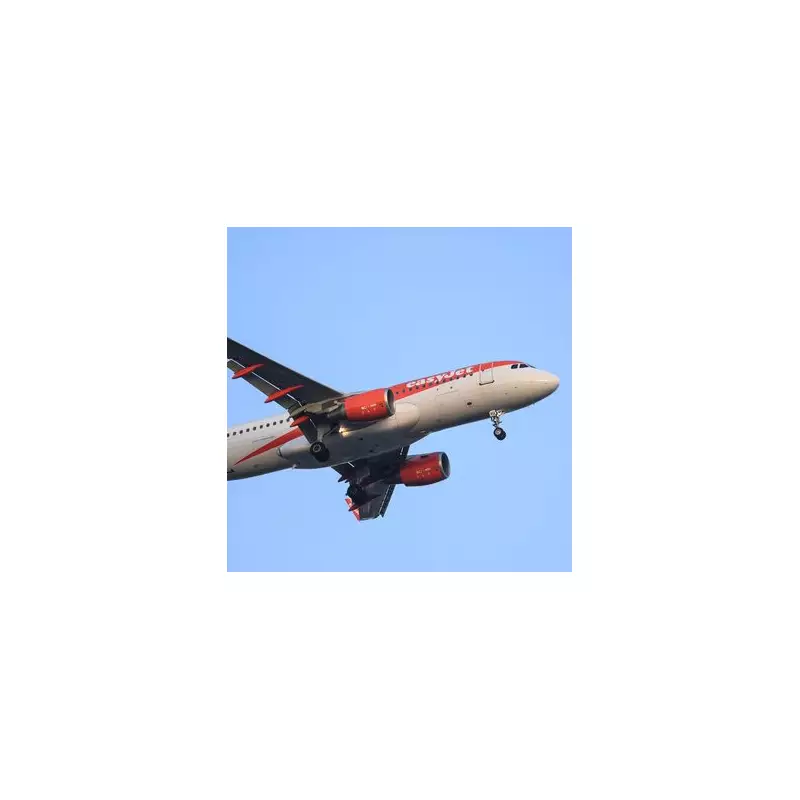
An EasyJet flight returning to the United Kingdom from Spain was forced to declare a fuel emergency and divert following a chaotic bird strike incident at Bristol Airport. Passengers aboard the aircraft endured a tense and concerning journey as the situation unfolded mid-air, highlighting the operational challenges and safety protocols involved in such aviation emergencies.
Mid-Air Emergency Declared After Avian Collision
The incident occurred when the EasyJet plane, en route from a Spanish destination back to the UK, experienced a bird strike at Bristol Airport. This avian collision triggered a series of events that led to the pilot declaring a fuel emergency while the aircraft was still airborne. The declaration signifies a critical situation where the fuel levels are deemed insufficient for the planned flight path, necessitating immediate action to ensure safety.
Passenger Experience and Diversion Details
Passengers on board the flight reported a sudden and unsettling diversion, adding to the anxiety of an already stressful return journey. The exact location and timing of the diversion have not been fully disclosed, but such emergencies typically involve rerouting to the nearest suitable airport for a precautionary landing. This disruption not only affected those on the flight but also contributed to broader chaos at Bristol Airport, as ground operations and subsequent schedules were likely impacted.

The bird strike itself is a common yet hazardous occurrence in aviation, where collisions with birds can damage aircraft engines or other critical components. In this case, the strike appears to have compromised the plane's fuel efficiency or systems, leading to the emergency declaration. EasyJet and aviation authorities are expected to conduct a thorough investigation into the incident to determine the exact cause and assess any necessary safety improvements.
Broader Implications for UK Aviation
This event underscores the ongoing risks faced by airlines operating in and out of UK airports, particularly those like Bristol which handle significant passenger traffic. Bird strikes remain a persistent threat, especially during takeoff and landing phases, and can result in costly delays, repairs, and in rare cases, more severe outcomes. The response by EasyJet's crew in managing the fuel emergency will be scrutinized as part of standard post-incident reviews to ensure compliance with stringent aviation safety regulations.
Passengers affected by the diversion may experience further inconveniences, such as rearranged travel plans or compensation claims, depending on the circumstances. The incident serves as a reminder of the unpredictable nature of air travel and the importance of robust emergency procedures in safeguarding passenger welfare.