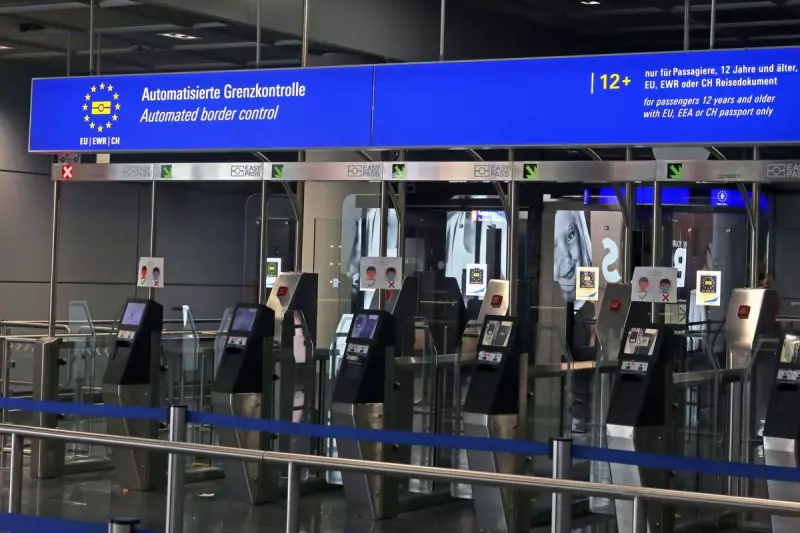
Airports across Europe are facing warnings of "serious safety hazards" and queues stretching up to three hours due to the rollout of the European Union's new digital border scheme.
What is the EU Entry-Exit System (EES)?
The EU Entry-Exit System (EES) is a new automated process for registering travellers from outside the EU. Instead of a simple passport stamp, the system requires third-country nationals to provide facial biometrics and four fingerprints upon first entry. The data is stored and used to track entries and exits, aiming to strengthen external border security.
Airports Council International Sounds the Alarm
The Airports Council International (ACI) has issued a stark warning about the system's impact. According to their analysis, the EES has already increased border check processing times by 70 per cent at initial pilot sites.

The situation is set to worsen dramatically. The current rules only require digital registration for a small percentage of eligible travellers. However, this threshold is scheduled to jump from 10 per cent to 35 per cent by January 2026. The ACI states this planned escalation will lead to "systemic disruption" and outright "mayhem" at border controls.
The industry body is now calling for an urgent review and a more moderated roll-out schedule. The full implementation of the EES is currently due to be completed by April 2026.
Worst-Hit Airports and Expert Views
The most severe impacts have been observed at airports in several popular destinations, including:
- France
- Germany
- Greece
- Iceland
- Italy
- Portugal
- Spain
Despite the widespread reports of chaos, some experts have countered that airports were given sufficient preparation time for the introduction of the new biometric checks. The debate highlights the significant operational challenge of integrating such a comprehensive digital system into busy international travel hubs.
With the threshold for mandatory registration poised to more than triple in the coming months, the pressure on Europe's airports is only expected to grow. The call for a slowdown in the EES implementation suggests a turbulent period ahead for both airport operators and travellers.