Middle East Airspace Closures Trigger Passenger Rights Crisis for UK Travellers
Tens of thousands of British travellers have been caught in a rapidly escalating cancellation chaos as airspace across the Middle East was abruptly closed following US and Israeli military strikes on Iran. The unfolding situation has thrown the travel plans of hundreds of thousands of airline passengers into complete disarray, with widespread diversions and grounding of flights confirmed after a "major combat operation" was announced by former US President Donald Trump on Saturday morning.
Unprecedented Regional Aviation Disruption
Iran and Iraq were the first nations to close their airspaces in direct response to the escalating military action, which has reportedly triggered explosions across multiple Middle Eastern locations. This initial closure was quickly followed by Qatar and the United Arab Emirates, along with several other Gulf states, which also grounded all flights in a coordinated security response.
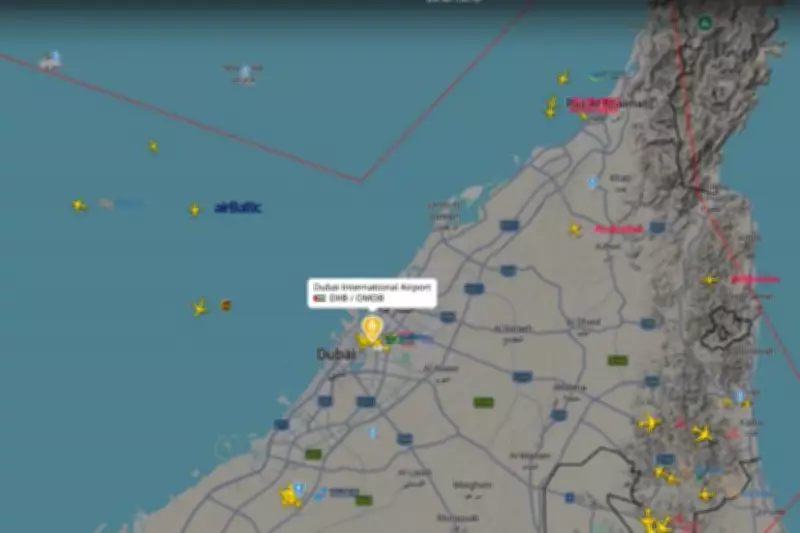
Dubai International Airport, recognized as the world's largest global aviation hub, closed completely to both arrivals and departures shortly before 12 noon GMT. On any typical operational day, this critical transit point handles approximately a quarter of a million passengers flying in and out, designated by the airport code "DXB."

The primary airline operating from Dubai, Emirates, confirmed it had temporarily suspended all operations "due to multiple regional airspace closures." Similarly, the giant Gulf carrier Qatar Airways has suspended every flight to and from its central hub in Doha. Dozens of flights have already been diverted or forced to return to their original departure points, creating a logistical nightmare for airlines and passengers alike.
Assessing the Scale of Travel Disruption
The unfolding aviation picture strongly indicates this will represent the most severe disruption to regional air travel since the height of the Covid-19 pandemic. While Qatar experienced a temporary airspace closure in June 2025 following an earlier US-Iran clash, the additional closure of Dubai's massive airport means that hundreds more flights are being cancelled simultaneously.
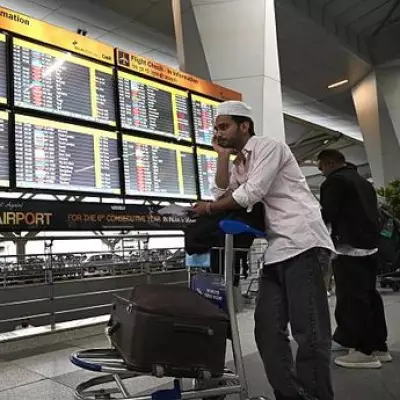
Passenger Mike Boreham experienced this disruption firsthand when his British Airways flight from Dubai to London Heathrow was cancelled just as the fully laden aircraft was preparing for departure. Speaking from inside the airport terminal, he described the scene: "It's absolute chaos here, just imagine 100 flights getting cancelled all at once. It's hundreds of people everywhere, I've never seen the airport in such a state."
With every additional hour that these airspace closures continue, many thousands more passengers are being directly affected across multiple airlines and destinations.
Understanding Passenger Rights During the Crisis
For travellers currently stranded in Dubai or Doha: Under established UK and EU air passenger rights legislation, anyone beginning their journey within Europe is in a relatively strong position. The rules mandate that airlines must provide suitable hotel accommodation and meals until passengers can be safely flown to their destinations. However, given the sheer volume of affected travellers, it is possible that passengers may initially be told to arrange their own accommodation and later claim reimbursement for reasonable costs.
For passengers who have not yet left Britain: Those booked on flights from UK airports with Emirates or Qatar Airways via Dubai or Doha to destinations in Asia, Australasia, or Africa are legally entitled to be flown to their final destinations as soon as possible using any available carrier with seats. Airlines operating non-stop services to Asian and African destinations, including Singapore Airlines, Cathay Pacific, and Ethiopian Airlines, could potentially provide alternative routing options.

For travellers flying home from outside Europe: Passengers booked on non-European airlines departing from airports outside both the EU and UK have no such automatic legal protections. While airlines like Emirates and Qatar Airways will likely make their best efforts to accommodate passengers and provide assistance where feasible, they operate under no strict legal obligation to do so in these circumstances. Travel insurance policies may offer some coverage for out-of-pocket expenses and provide modest compensation for extended delays.
Wider Aviation Implications and Recovery Timeline
The disruption extends beyond immediate cancellations. Numerous flights that would normally traverse Iranian or Iraqi airspace are now taking extensive diversions, significantly increasing journey times and fuel consumption. This creates additional knock-on delays throughout global aviation networks, with some flights potentially requiring unexpected refuelling stops due to these extended alternative routes.
Even when airspace eventually reopens, widespread disruption is expected to continue due to aircraft and crew being significantly out of position across multiple airlines. Major carriers including Emirates and Qatar Airways are operating at maximum capacity to manage the crisis, meaning that even when regular schedules resume, it could take days or possibly weeks before all stranded passengers reach their intended destinations.