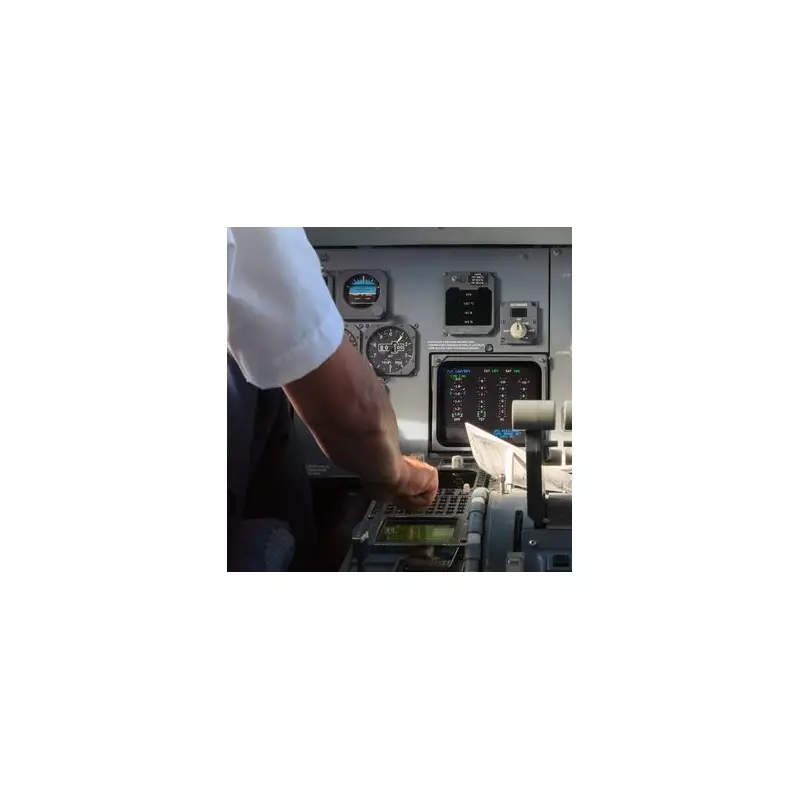
For even the most seasoned traveller, the sudden jolt of an aircraft hitting turbulence can send a shiver of fear down the spine. But what does the person flying the plane actually see when the cabin starts to shake? A pilot has now shared a revealing insight from the cockpit to reassure nervous flyers everywhere.
The Cockpit vs Cabin Perspective
In a popular Instagram video posted on 30 December 2025, the aviator, known as Christine Younan, demonstrated the stark difference between the passenger experience and the pilot's viewpoint. The clip begins by showing the cabin during a bout of turbulence, with the unsettling motion familiar to anyone who has flown. It then switches to the front of the aircraft, revealing a surprisingly steady view from the pilots' seats.
"Turbulence feels scary, but it's not dangerous – here's the truth," the pilot wrote in the caption. "If bumps make your stomach drop or your mind jump to the worst-case scenario, remember this: turbulence is normal, expected, and fully safe."

Why Pilots Aren't Worried
The pilot emphasised that modern aircraft are engineered to withstand forces far greater than any turbulence encountered in commercial flight. The real danger is not wearing your seatbelt, as unsecured passengers or items can be thrown around the cabin.
"For us pilots, turbulence is just bumps on a road," they explained. "It's uncomfortable, yes, but completely safe. The instruments stay steady, the control never goes away, and the structure is never in danger. Pilots see turbulence every day, it's not an emergency, it's part of the journey."
The Science Behind the Bumps
So, what actually causes turbulence? It occurs when chaotic air movements disrupt smooth airflow. This can be triggered by:
- Changes in air speed and direction.
- Obstacles like mountains disrupting wind flow.
- Powerful air currents such as the jet stream.
These factors create swirling vortices that jolt the aircraft. While the sensation can be alarming, severe incidents where turbulence causes a crash are extremely rare. The advice from experts is clear: keep your seatbelt fastened whenever seated and try to distract yourself if anxiety strikes.
The pilot's core message is one of reassurance. Understanding that the aircraft is built to handle these forces, and that the cockpit remains a place of calm control, can help transform fear into confidence for your next journey through the skies.