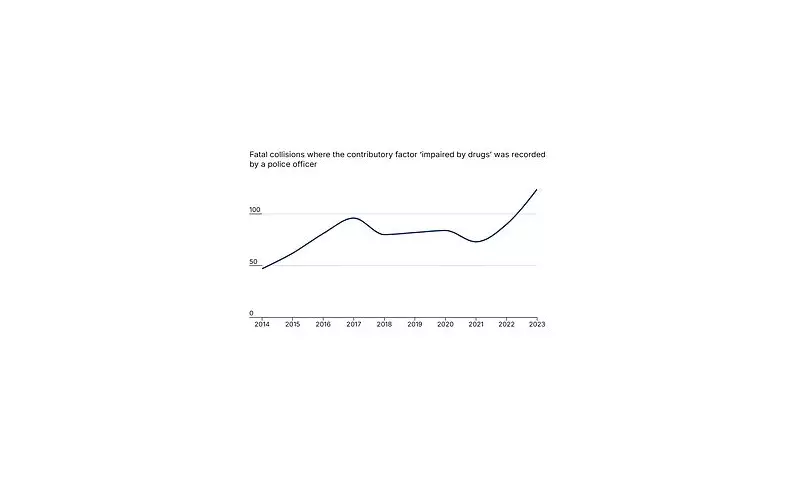
In a sobering milestone for road safety, drug-driving has officially overtaken drink-driving as a cause of death on Britain's roads for the first time in history. Newly released figures from the Department for Transport reveal a disturbing trend that has safety campaigners and grieving families demanding immediate action.
The Shifting Landscape of Road Danger
According to the latest statistics, drug-impaired drivers were involved in 260 fatal collisions in 2022, compared to 250 involving alcohol. This represents a dramatic reversal from just a decade ago, when drink-driving accounted for nearly twice as many deaths as drug-driving.
The data paints a troubling picture of Britain's changing relationship with substances behind the wheel. While alcohol-related deaths have gradually declined thanks to decades of public awareness campaigns, drug-driving fatalities have surged by 40% since 2015.

Families Shattered by Preventable Tragedies
Behind these stark numbers lie countless personal tragedies. Families who have lost loved ones to drug-impaired drivers are speaking out, calling for tougher enforcement and better education.
One mother, whose daughter was killed by a driver high on cannabis, told reporters: "People think they can get away with driving after taking drugs. They need to understand it's just as dangerous as drinking and driving - and the consequences are equally devastating."
The Most Dangerous Substances on Our Roads
The statistics reveal which drugs are causing the most harm:
- Cannabis: Involved in nearly half of all drug-driving fatalities
- Cocaine: Present in approximately one-third of cases
- Multiple substances: Many drivers test positive for combinations of drugs and alcohol
Are Current Measures Enough?
Road safety experts point to several factors behind this alarming trend:
- Improved testing: Wider availability of roadside drug testing has identified more cases
- Changing attitudes: Some drivers mistakenly believe they can drive safely while under the influence of drugs
- Enforcement challenges: Police still face difficulties detecting and prosecuting drug-drivers
A Department for Transport spokesperson stated: "We're taking decisive action to tackle this issue, including approving new drug screening devices and running awareness campaigns. But there's more work to be done."
The Road Ahead: What Needs to Change
Campaigners are calling for a multi-pronged approach to address this growing crisis:
- Stronger penalties for convicted drug-drivers
- Enhanced education in schools and driving instruction
- Increased police resources for roadside testing
- Public awareness campaigns specifically targeting drug-driving
As one road safety advocate emphasised: "This isn't just about statistics - it's about saving lives. Every one of these deaths was preventable. We need to treat drug-driving with the same seriousness we now treat drink-driving."