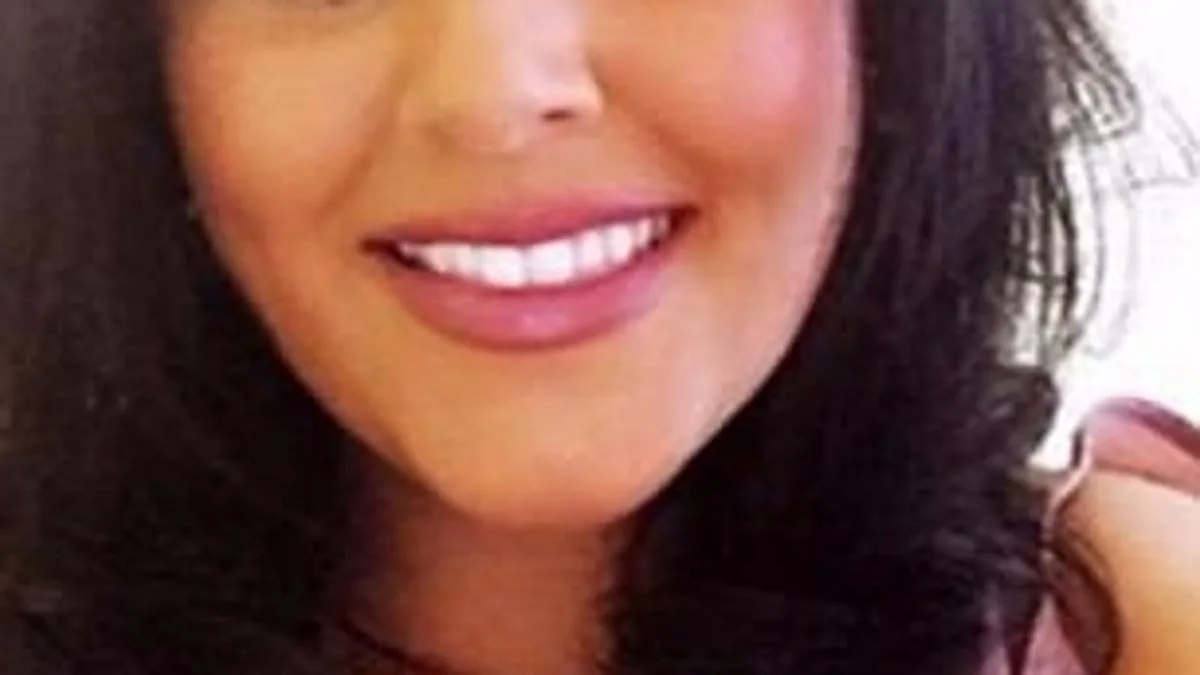
A Glasgow woman has admitted to posing as a man online to deceive another woman into sending her nude photographs, a court has been told. Sarah Brennan, aged 32, engaged in a sophisticated catfishing scheme that left her victims traumatised and fearful for their safety.
Deceptive Online Persona and Intimate Exchanges
Brennan, who resides in the Drumchapel area of Glasgow, targeted her first victim in 2019 by creating a fake Instagram profile under the name Matthew Jay. She falsely claimed this persona was her cousin, using it to initiate an online relationship with the unsuspecting woman.
Over a period of six months, the pair exchanged intimate pictures, with Brennan sending images of a male body without a visible face to maintain the illusion. The fraudulent relationship continued until the victim grew suspicious and contacted Brennan's mother, who revealed she had no knowledge of any family member named Matthew Jay.
Confrontation and Escalating Harassment
When confronted about her deception, Brennan callously admitted she had been "bored," showing little remorse for her actions. However, her behaviour quickly escalated into a campaign of harassment that left her victim in a state of constant anxiety.
In a single day, Brennan made approximately 250 phone calls to the woman, sent a screenshot of a map indicating she was prowling near the victim's home, and threatened to release the explicit images that had been shared during their online exchanges. The situation became increasingly frightening when the victim received a card, necklace, and pendant inscribed with the words "stuck with you," prompting her to contact the police.
Second Victim and Legal Persona Fraud
Following her arrest, investigators discovered Brennan had targeted another woman in 2021 using the same deceptive tactics. This time, she posed as a high-flying male lawyer, again using the name Matthew Jay, to establish an online relationship.
The second victim grew close to this fabricated persona, but became suspicious when Brennan repeatedly cancelled planned meet-ups. Concerned friends and family members of the woman conducted their own investigation, tracing the Instagram profile to an English man living in Dubai.
This individual confirmed that his identity had been stolen by "a female in Glasgow" who had entered into an online relationship using his photographs and personal details. The revelation confirmed Brennan's pattern of systematic deception across multiple victims.
Court Proceedings and Psychological Assessment
Brennan appeared yesterday at Glasgow Sheriff Court to be sentenced after admitting two counts of romance fraud and stalking last month. However, Sheriff Stuart Reid adjourned the case until June after a social worker recommended obtaining a psychological report on the defendant.
During the hearing, defence lawyer Michael Tierney stated that his client was "accepting of her guilt" and had shown "a great deal of reflection in regards to her behaviour." He further revealed that Brennan's employment had been terminated as a direct result of her conviction, though she had continued working until that date.
The charity worker is now unemployed and has applied for Universal Credit, facing significant personal and professional consequences for her actions. The court will reconvene in June to determine an appropriate sentence once the psychological assessment has been completed.
Impact on Victims and Legal Implications
The case highlights the serious emotional and psychological harm caused by romance fraud and catfishing schemes. Both victims experienced significant distress, with one suffering from panic attacks as a result of Brennan's deception and subsequent stalking behaviour.
Romance fraud involving the solicitation of intimate images carries serious legal consequences in Scotland, with stalking charges adding further gravity to the offences. The court's decision to order a psychological assessment suggests consideration of underlying factors that may have contributed to Brennan's behaviour.
This case serves as a stark reminder of the dangers of online relationships and the importance of verifying identities before sharing personal information or intimate content with strangers on digital platforms.