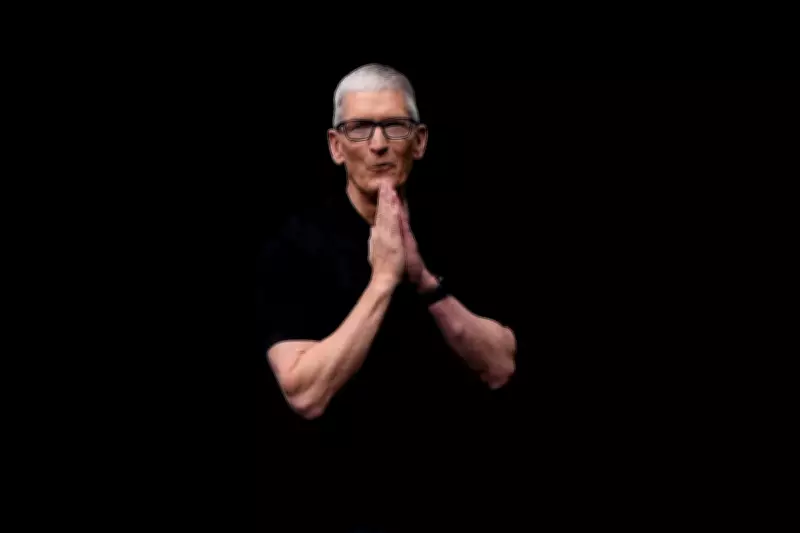
Apple CEO Tim Cook is stepping down from the role he inherited from the late Steve Jobs, concluding a remarkable tenure of nearly 15 years that propelled the company's market value to soar by more than $3.6 trillion during an era dominated by iPhone-driven prosperity.
A New Leadership Era Begins
Cook, aged 65, will officially hand over CEO responsibilities to Apple's head of hardware engineering, John Ternus, on September 1, 2026. Following this transition, Cook will remain actively involved with the Cupertino, California-based tech giant as executive chairman.
This move mirrors similar leadership shifts seen at other major corporations, such as Amazon's Jeff Bezos and Netflix's Reed Hastings, who stepped back from day-to-day CEO duties after highly successful periods at the helm.

Cook's Legacy and Ternus's Vision
In a heartfelt statement, Cook expressed his deep gratitude, saying, "It has been the greatest privilege of my life to be the CEO of Apple and to have been trusted to lead such an extraordinary company. I love Apple with all of my being, and I am so grateful to have had the opportunity to work with a team of such ingenious, innovative, creative, and deeply caring people."
John Ternus, aged 50, brings a quarter-century of experience at Apple to the CEO role, including the past five years overseeing the engineering behind flagship products like the iPhone, iPad, and Mac. His extensive background in hardware made him a top contender to succeed Cook.
Ternus remarked, "I am profoundly grateful for this opportunity to carry Apple's mission forward," highlighting his commitment to steering the company into its next chapter.
Navigating Challenges in the AI Era
The leadership transition arrives at a critical juncture for Apple, as artificial intelligence continues to disrupt the tech industry—a shift comparable to the upheaval sparked by Steve Jobs' unveiling of the first iPhone in 2007.
Apple has faced a rocky start in the AI arena, struggling to deliver on promised features built on this technology over the past two years. Earlier in 2026, the company sought assistance from Google, an early AI leader, to enhance the iPhone's virtual assistant Siri into a more conversational and versatile tool.
Despite perceptions that he lacked Jobs' visionary flair, Cook adeptly leveraged the iPhone's popularity and other innovations from his predecessor's era to elevate Apple from near-bankruptcy in the mid-1990s to unprecedented heights.
As Ternus prepares to take the reins, all eyes will be on how he guides Apple through these evolving technological landscapes while building on Cook's legacy of growth and innovation.