Cheshire 'Silver Killer' Theory Sparks Controversy in New Documentary
Almost a decade ago, Stephanie Davies, a coroner's officer for Cheshire Police, examined files concerning the deaths of two elderly couples: Howard and Bea Ainsworth in 1996, and Donald and Auriel Ward in 1999. After researching statistics on murder-suicides, Ms Davies proposed a startling theory: a serial killer might have been operating in the leafy suburbs of Cheshire since 1996. However, detectives repeatedly dismissed this idea, classifying the deaths as separate murder-suicides.
Forensic Experiments Challenge Original Conclusions
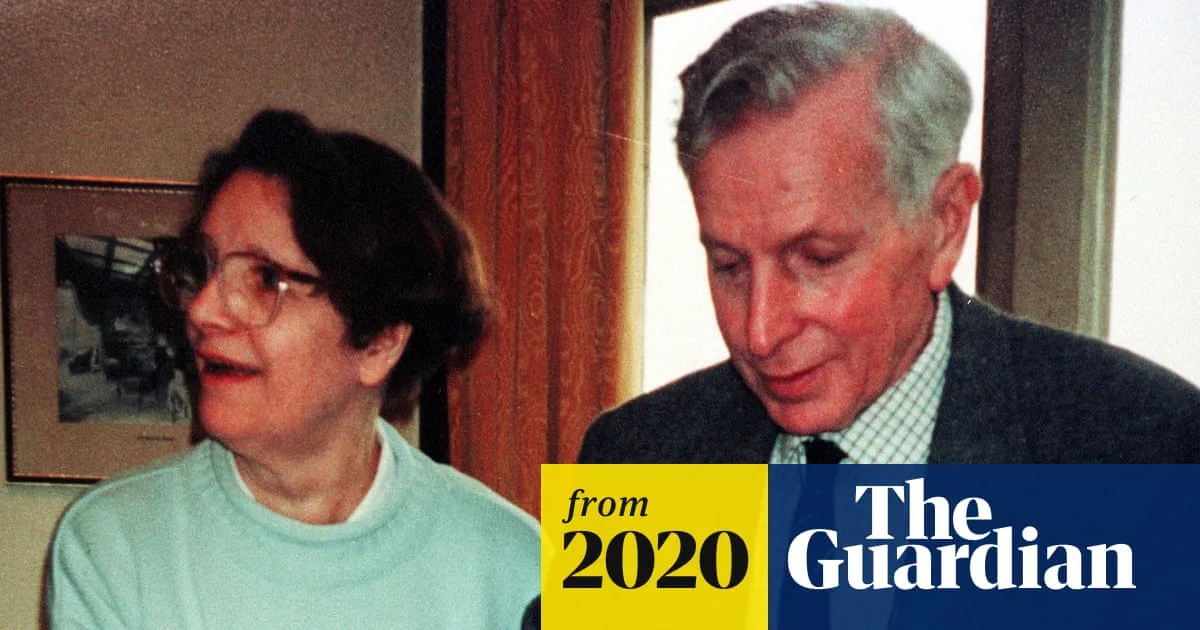
Ms Davies's persistence led to her suspension after her 179-page report, which called for further investigation, was leaked to the national press. Now, a new ITV documentary titled 'Hunting The Silver Killer', aired on Monday, has reinvestigated these cases. Police originally concluded that Mr Ainsworth, 79, murdered his 78-year-old wife with a hammer and knife before suffocating himself, citing a suicide note found at the scene. Detectives suggested it could have been an act of euthanasia.
Christine Hurst, the coroner's officer at the time, disagreed, noting the lack of dignity in the deaths—a core principle of euthanasia—and no evidence of domestic abuse. She raised concerns about the absence of blood on Mr Ainsworth's pyjamas despite the violent nature of the attack. "There was a lot of blood around her, and I thought I can’t remember seeing any blood of any note on Mr Ainsworth," Ms Hurst told the documentary.
Years later, Ms Hurst shared crime scene photos with Ms Davies, who immediately shared her concerns. "I saw this couple lying on the marital bed, and I said to Christine, 'This man did not kill his wife,'" Ms Davies recalled. To test this, forensic scientist Dr Angela Gallop and pathologist Dr Dick Shepherd conducted an experiment, simulating the attack with a blood-soaked sponge. Their results showed that blood patterns on the attacker's arm and pyjamas should have been present, but were not found on Mr Ainsworth, maintaining doubts about the original conclusion.
Similarities in the Ward Case Raise Alarms
In 1999, Donald and Auriel Ward were found dead in their Wilmslow home, near the Ainsworths' residence. Police concluded it was a murder-suicide, with Mr Ward allegedly stabbing, beating, and suffocating his wife before cutting his own throat. Ms Hurst again suggested it could be murder, noting Mr Ward was a doting husband with future plans, but investigators dismissed her concerns.
Dr Gallop and Dr Shepherd reinvestigated this case too, raising alarms over a blood trail from the bedroom to the kitchen. "Drips of blood are much more likely to have come from an actively bleeding injury," Dr Gallop explained, suggesting Mr Ward may have been injured while moving downstairs. Ms Davies noted eerie similarities between the cases, with both couples found on their marital beds in similar positions.
Leaked Report and Professional Consequences
Ms Davies compiled a 179-page report urging the reopening of the Ainsworth and Ward cases, along with three others from 2000, 2008, and 2011, all involving blunt and sharp force trauma near Wilmslow. In 2020, her home was raided by police who suspected she leaked details to The Sunday Times, which dubbed the potential murderer the 'Silver Killer'. Although journalist David Collins stated Ms Davies was not the source, she was investigated for misconduct.
Cheshire Police found her guilty of seven counts of gross misconduct for breaching confidentiality, dismissed her, and placed her on the College of Policing barred list, ending her career in similar work. The additional cases highlighted in her report included:
- Former police officer Violet Higgins, 76, and her husband Michael, 59, found dead in Manchester in 2000, with police quickly dropping the investigation despite family doubts.
- Eileen and Kenneth Martin, who died on their 55th wedding anniversary in 2008 in Davyhulme, Manchester, reported as a mercy killing but with injuries inconsistent with that theory.
- Stanley and Peggie Wilson, found dead in Kendal in 2011, with an inquest citing paranoid fears but family belief in his guilt.
Police Maintain Stance Against Serial Killer Claims
Chief Constable Mark Roberts QPM of Cheshire Police firmly rejected the serial killer theory. "There is absolutely no evidence that the Ainsworth and Ward cases were double murders, and no serial killer at large," he stated. He emphasized that experienced detectives, forensic scientists, and the National Crime Agency had meticulously investigated and found no basis for further inquiry. Roberts also expressed sympathy for the families, who opposed the documentary and felt harassed by the production company.
Despite this, the documentary and Ms Davies's report continue to fuel debate over whether these tragic deaths were properly investigated, leaving unanswered questions about potential foul play in Cheshire's quiet communities.