Senior Garda Detective Rejects Claims of Policing Failure Over Unsolved Regency Hotel Murder
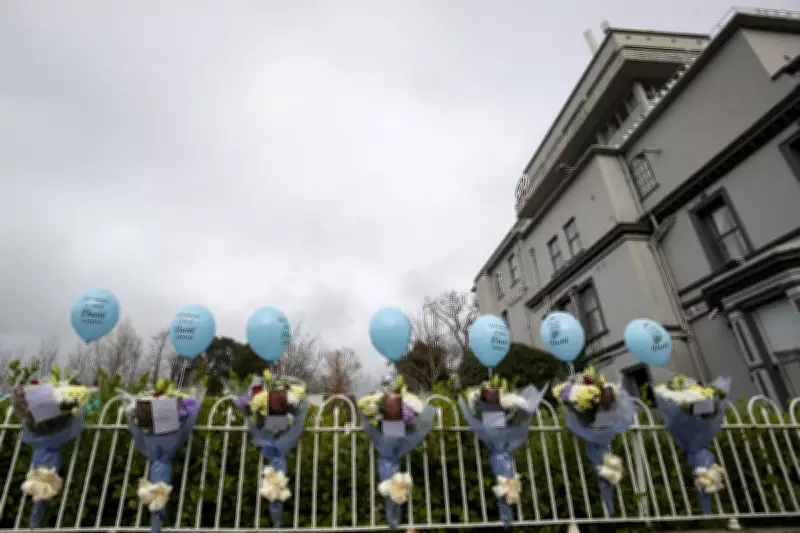
A senior detective has firmly rejected suggestions that the lack of convictions for the gangland murder of David Byrne at Dublin's Regency Hotel a decade ago represents a failure of policing. Detective Chief Superintendent Seamus Boland of the Garda National Drugs and Organised Crime Bureau made the comments on Wednesday, exactly ten years after the high-profile shooting that shocked the nation.
"The Worst Organised Crime Attack in State History"
Detective Boland described the Regency Hotel shooting as "the worst organised crime-related attack in the history of the State." The incident occurred on February 5, 2016, when 33-year-old David Byrne was shot six times during a crowded boxing weigh-in event. This brutal killing marked one of the first deadly attacks in the escalating Hutch-Kinahan gangland feud that would claim numerous lives in the following years.
A judge at the non-jury Special Criminal Court later stated that the attack "sparked mayhem on the streets of Dublin" and resulted in a "series of callous murders." Despite the passage of a decade and multiple court proceedings, no one has been convicted specifically for Mr Byrne's murder.

Investigation Outcomes and Legal Processes
When questioned about whether the absence of murder convictions represented a policing failure or source of regret, Detective Boland responded unequivocally: "I don't see it as a policing failure." He elaborated on the investigation's outcomes, revealing that:
- Seventeen people had been arrested in connection with the investigation
- Four men had been convicted in relation to the murder
- A fifth man received a sentence for firearm-related matters
- Two other trials resulted in an acquittal and dropped charges
- An eighth suspect died from illness before extradition proceedings could be completed
The detective emphasised the importance of legal principles in a democratic society, stating: "Thankfully, we live in a democratic society where everybody is innocent until they are proven guilty, and that we can't find people guilty by media or personal opinion."
Defending the Special Criminal Court and Investigation Approach
Detective Boland defended the use of the Special Criminal Court, which has faced criticism over the years, noting that it provides a necessary mechanism for prosecuting serious organised crime cases. He stressed the professional approach taken by An Garda Síochána in their investigations, stating: "There is no regrets. We're very professional in the manner in which we approach investigations."
The senior officer made a fresh appeal for information, highlighting how some individuals involved in serious crimes have later come forward to confess their roles. "We've seen in the past people who engaged in, even in recent years, in very serious crimes that led to deaths," he said. "Who have had to carry that burden with them themselves, and have, many years later, walked into Garda stations and admitted their roles and given evidence because it's a burden that people have to carry themselves."
Broader Context of Organised Crime Reduction
Detective Boland placed the Regency Hotel investigation within the broader context of organised crime reduction in Ireland. He noted that as a result of "law enforcement actions," there were no organised crime firearms-related murders in Ireland last year for the first time in recent years. This achievement stands in contrast to trends observed in other European countries facing similar organised crime challenges.
Reflecting on the wider impact of the Regency Hotel attack, the detective described it as "the greatest failure by the people who planned it and carried it out, because it did not achieve anything except increased the numbers of people who were eventually killed." He particularly emphasised the tragic loss of innocent lives that resulted from the escalating violence, noting that "it almost became killing for the sake of killing."

The detective concluded by acknowledging the limitations of police work, stating: "There's only so much that An Garda Siochana can actually do in relation to an investigation," while reaffirming the commitment to professional investigative standards and the pursuit of justice through proper legal channels.