Former Police Inspector Details Tunnel Search for Missing Noah Donohoe
A retired police inspector has provided detailed testimony about crawling through an underground storm drain tunnel system during the extensive search for missing schoolboy Noah Donohoe. The former officer, who managed the Police Service of Northern Ireland's hazardous environment search team, described the challenging conditions faced by search teams.
Inquest Enters Fourth Week
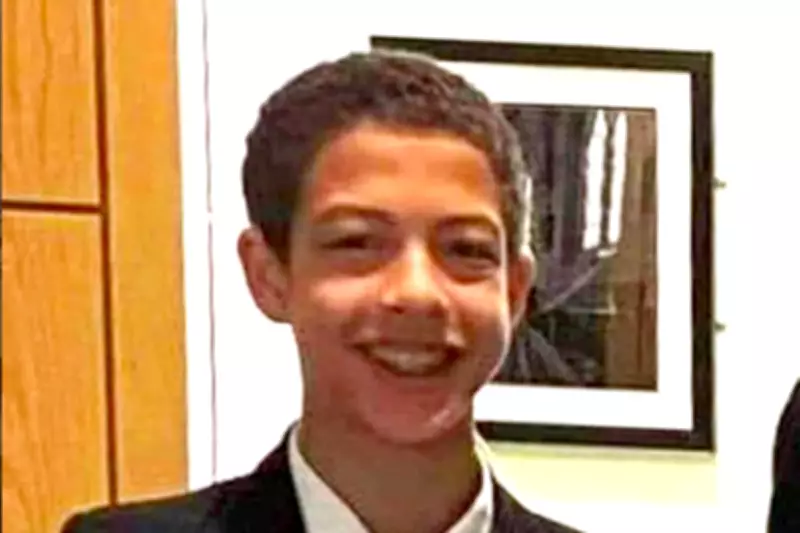
The inquest at Belfast Coroner's Court, which is being heard with a jury, has now entered its fourth week of proceedings. Noah Donohoe, a 14-year-old pupil at St Malachy's College, was found dead in a storm drain in north Belfast in June 2020, six days after he left home on his bicycle to meet friends in the Cavehill area. A post-mortem examination determined the cause of death was drowning.
Noah's mother, Fiona Donohoe, attended Tuesday's hearing as witness statements from retired inspector Menary were read to the jury. The former officer provided crucial insights into the search operation that unfolded in the days following Noah's disappearance.

Challenging Search Conditions
Mr Menary told the inquest he attended Northwood Linear Park in north Belfast on March 24, three days after Noah had gone missing. He described encountering "hundreds of local residents in quite an agitated state" due to the disappearance, and it took more than an hour to clear the park so police could begin inspecting the storm drain tunnel system.
The hazardous environment search team conducted simultaneous searches above ground in Linear Park and below ground in the tunnels. However, the former inspector revealed that "schematics" provided by the Department for Infrastructure about the water network system "did not match what we were finding on the ground."
Obstacles in the Tunnel System
Mr Menary explained that several entry points to the storm drain tunnel could not be located and appeared to have been "landscaped or tarred over during the most recent improvement works in the park." After initial attempts using cameras proved insufficient due to obstructions, the inspector personally entered the tunnel system.
By the end of June 24, the team had confirmed that Noah was not in the non-tidal stretch of tunnel that had been searched. Mr Menary reported that Noah's name had been shouted repeatedly while he was in the tunnel, but there was no response from the missing teenager.
Search Suspended Due to Rising Tides
The search resumed on Thursday but had to be suspended due to dangerous rising tides. "What is now clear is that the search on the Thursday almost got to the point where Noah was found, but that it had to cease due to a rising tide," Mr Menary stated in his testimony.
The retired officer was not personally involved in searches on subsequent days. He emphasized that by that point, the operation was looking for evidence that Noah might have been in the tunnel at some stage, describing it as "not a rescue operation."
Equipment and Survival Challenges
Addressing questions about search equipment, Mr Menary revealed that the team did not have access to a drone at the time. "I do not believe any other police force would have had a drone capable of deployment underground at the relevant time," he asserted. "At no point did I consider that we had an equipment deficit or that our search was hampered or would have been better with different equipment."
The former inspector offered a sobering assessment of the tunnel conditions, stating: "I believe it would be a very challenging place to survive if you were naked." This observation adds context to the difficult environment search teams faced during their efforts to locate the missing teenager.