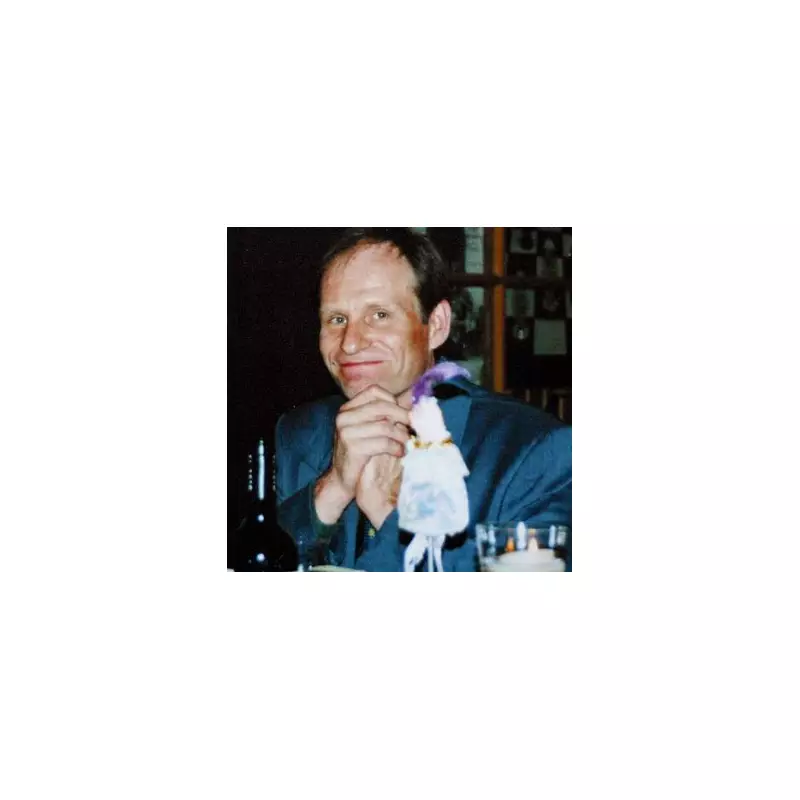
The quiet German countryside became the backdrop for one of the most disturbing criminal cases in modern European history, when computer technician Armin Meiwes revealed himself to be a practising cannibal who had killed and consumed a willing victim.
The Facade of Normality
To those living near his Rotenburg farmhouse, Armin Meiwes appeared completely ordinary. The 42-year-old would assist neighbours with vehicle repairs, maintain their gardens and even entertain them for meals. Behind this conventional exterior, however, lurked a terrifying secret that would eventually shock the world.
Meiwes confessed to being a cannibal who had acted upon his long-held fantasies. During his trial, he revealed: "I always had the fantasy and in the end I fulfilled it." Prosecutors disclosed that these disturbing desires had begun when Meiwes was just eight years old, intensifying significantly following his mother's death in 1999.
The Grisly Night of March 9, 2001
In early 2001, Meiwes placed an online advertisement seeking "a young well-built man who wanted to be eaten". Among the respondents was 43-year-old Berlin engineer Bernd Brandes, who would become his victim.
On the evening of March 9, both men proceeded to the bedroom of Meiwes' farmhouse. After Brandes consumed twenty sleeping tablets and half a bottle of schnapps, Meiwes severed Brandes' penis with his consent. The organ was then fried and consumed by both men.
Despite severe bleeding, Brandes then bathed while Meiwes read a Star Trek novel. In the early morning hours, Meiwes finally ended Brandes' life by stabbing him in the neck with a large kitchen knife, reportedly kissing him first.
The Aftermath and Investigation
Following the killing, Meiwes dismembered Brandes' body, storing numerous portions in his freezer alongside a takeaway pizza and burying the skull in his garden. Over subsequent weeks, he defrosted and cooked approximately 20kg of human flesh in olive oil and garlic, consuming it with South African red wine using his best cutlery on a candlelit table.
Meiwes later told detectives: "With every bite, my memory of him grew stronger," noting that the flesh tasted similar to pork. The crime remained undetected until July 2001, when a student discovered one of Meiwes' continued advertisements and contacted him. After Meiwes confirmed he had actually killed someone, the student alerted authorities.
Legal Challenges and Multiple Trials
The case presented unprecedented legal difficulties when investigators discovered that cannibalism itself wasn't illegal under German law. Instead, prosecutors charged Meiwes with murder for sexual pleasure and "disturbing the peace of the dead".
Meiwes' defence centred on the victim's consent, supported by video evidence from that evening showing Brandes apparently agreeing to be killed and eaten. Prosecutors argued that Brandes suffered from severe psychiatric disorders and "a strong desire for self-destruction".
On January 30, 2004, the Kassel regional court convicted Meiwes of manslaughter, sentencing him to eight years and six months imprisonment. However, prosecutors successfully appealed, and the German Federal Court ordered a retrial on April 22, 2005, arguing the original court had overlooked the significance of Meiwes videotaping the crime as evidence of sexual motivation.
The retrial commenced on January 12, 2006, with a psychologist testifying that Meiwes remained dangerous, still fantasising about consuming young people's flesh. On May 10, 2006, the Frankfurt am Main higher regional court convicted Meiwes of murder and sentenced him to life imprisonment.
This extraordinary case continues to provoke legal and ethical debates about the boundaries of consent and the limitations of existing legislation in addressing such unprecedented crimes.