Ketamine Consumption Soars by 229% in Four Years According to Waste Water Analysis
Illegal ketamine use has more than tripled in just four years, according to experimental scientific tests commissioned by the Home Office. Researchers analysed waste water samples from England's sewers and discovered a staggering 229 per cent increase in ketamine residue between 2021 and last year. The most recent twelve months alone saw a dramatic 54 per cent jump in consumption.
Multiple Drugs Show Alarming Increases
The comprehensive waste water testing revealed concerning trends across multiple illegal substances. MDMA, commonly known as ecstasy, showed a 232 per cent rise over the same four-year period. Meanwhile, methamphetamine – often referred to as crystal meth – surged by 61 per cent, and cocaine consumption increased by an estimated 26 per cent. In contrast, heroin abuse decreased by 40 per cent during the same timeframe.
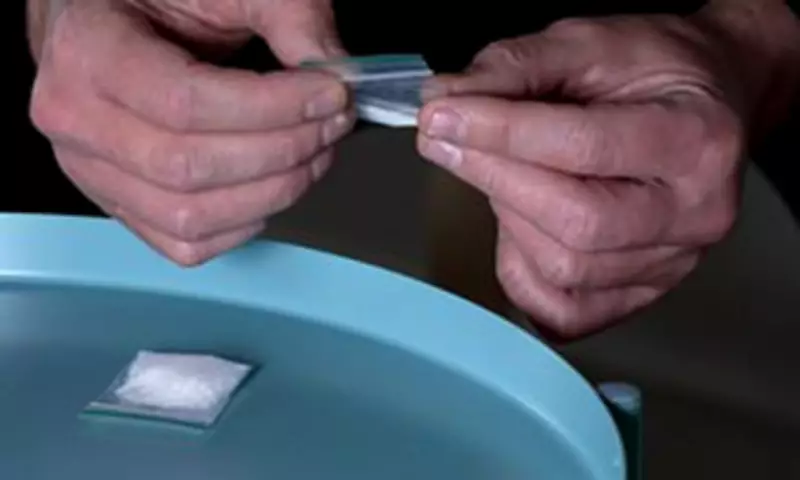
The dramatic escalation in ketamine consumption revealed through these experiments has intensified concerns about the drug's growing popularity. Known colloquially as 'K' or 'Special K' among users, ketamine can produce relaxed and dream-like sensations, but excessive consumption can lead to temporary paralysis – a state users describe as entering a 'k-hole'.

Health Risks and Market Values
Ketamine, which serves as a medical and veterinary anaesthetic and painkiller, carries significant health risks. It can prove fatal, particularly when combined with other substances or alcohol, and may cause heart problems and hallucinations. Long-term use has been linked to memory loss, mental health issues, and organ damage.
The Home Office report detailed how scientists examined samples from 42 sewage treatment sites, extrapolating findings to estimate drug usage across England's entire population. Researchers were able to estimate national illegal drug consumption between August 2024 and July of last year.
Results indicated cocaine had the highest estimated consumption and market value, with approximately 123 metric tonnes consumed annually – equivalent to a £9.8 billion market value. Ketamine consumption was estimated at just under 31 metric tonnes, representing a £900 million market. Heroin consumption was calculated at just under seven metric tonnes, equating to a £300 million market value.
Regional Variations and Classification Debate
The waste water analysis revealed distinct geographical patterns in drug consumption. Areas with high cocaine usage included Liverpool and Sunderland, while ketamine was heavily used in Liverpool, Brighton, Portsmouth, Norfolk, and Bristol. Ecstasy showed prominence in testing from Brighton, London, Liverpool, and the South West.
These findings suggest that drug seizures by authorities may only represent a fraction of the overall problem. Separate data published in February showed that just under 16 tonnes of cocaine were seized in England and Wales during 2024-25, alongside just over one tonne of ketamine and less than half a tonne of heroin.
Last year, the Government requested that a Home Office expert panel examine whether ketamine should be upgraded from a Class B to a Class A drug – the same classification as heroin, crack, and cocaine. However, in January, the Advisory Council on the Misuse of Drugs rejected reclassifying the substance. Since ministers typically follow the ACMD's recommendations, ketamine is now unlikely to be reclassified in the foreseeable future.
The Home Office paper acknowledged certain limitations in the waste water testing methodology, including challenges in estimating drug purity and variations based on how substances were ingested. Despite these limitations, the data provides compelling evidence of shifting patterns in illegal drug consumption across England.