Missouri Drops Murder Charge Against Man in Super Bowl Rally Shooting
A man who initially faced a murder charge for opening fire following the Kansas City Chiefs' 2024 Super Bowl victory was sentenced on Monday to two years in prison. Prosecutors stated the case was complicated by Missouri's self-defense laws, leading to the reduced charge.
Chaos at Union Station
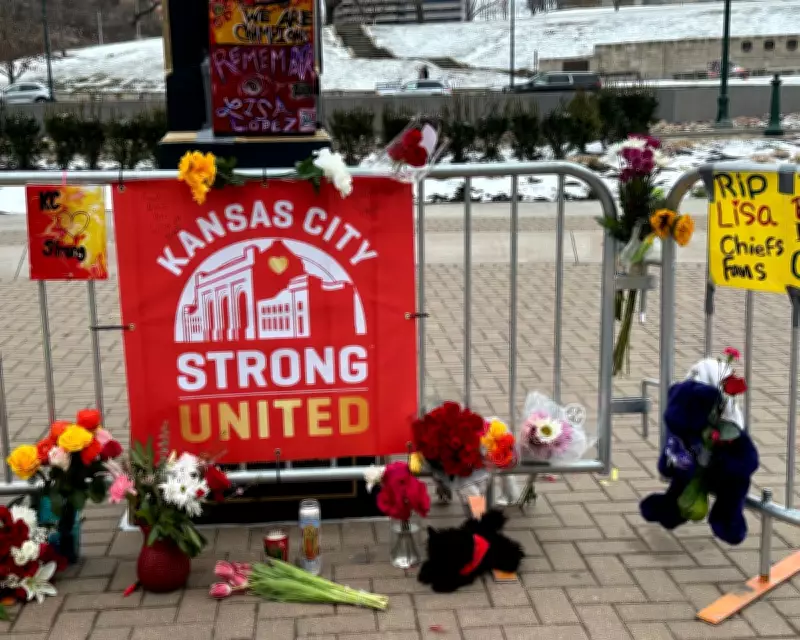
Dominic Miller pleaded guilty to a weapons charge as part of a plea deal. He was among at least six individuals who started shooting in the melee outside Kansas City's historic Union Station. The incident occurred as a celebration, drawing an estimated 1 million fans, was concluding. Players, city officials, and hundreds of fans scrambled for cover during the gunfire.
Lisa Lopez-Galvan, a local radio show host, was killed while watching the rally with her family. Approximately two dozen other people, many of them children, were wounded but survived. Court records indicate that 12 people brandished firearms, with guns found at the scene including at least two AR-style rifles.

Legal Challenges Under Stand-Your-Ground Laws
The Jackson County prosecutor's office explained in a written statement that under Missouri's self-defense and defense-of-others doctrines, they must prove beyond a reasonable doubt that any charged defendant was the initial aggressor or did not act in lawful self-defense. This legal hurdle made it difficult to pursue the original second-degree murder charge, which carried a sentence of 10 years to life in prison.
Missouri is among more than 30 states that have adopted some version of stand-your-ground laws over the past two decades. These laws provide broad self-defense rights, extending beyond the home to any location, unlike earlier statutes that limited force to protection within one's residence.
Sequence of Events and Legal Outcomes
Police and prosecutors reported that the shooting barrage began when one group confronted another for staring at them. Lyndell Mays is accused of being the first person to start firing. Subsequently, a 15-year-old began shooting toward Mays and hit Miller, who admitted firing several shots in response.
Miller spent over two years in custody, including several months hospitalized in critical condition. His attorney, David Wiegert, expressed relief at his client's restored freedom but concern over the initial murder charge. Wiegert extended deepest condolences to Galvan's family but argued that under state law, a person who unintentionally strikes a third party while attempting to lawfully defend oneself is immune from criminal liability.
Authorities initially linked the bullet that killed Galvan to a handgun Miller admitted firing, but prosecutors later stated there wasn't enough evidence to confirm his shot caused her death. Galvan's family was consulted and understood the legal challenges, emphasizing in a statement that accountability still matters and hoping for positive change from the tragedy.
Ongoing Legal Proceedings
Meanwhile, Lyndell Mays is scheduled to stand trial in 2027 on charges including second-degree murder. The 15-year-old involved has already been sentenced to a state facility for youths. This case highlights the ongoing debates and complexities surrounding gun violence and self-defense legislation in the United States.