Exclusive: No Charges After Six-Year Probe into Deepcut Barracks Deaths
Prosecutors have concluded there is insufficient evidence to bring charges against anyone following a six-year criminal investigation into allegations of abuse at Deepcut Barracks in Surrey. The probe focused on claims of physical and verbal mistreatment at the Army camp, where four young soldiers died from gunshot wounds between 1995 and 2002.
The Deepcut Four and a Fifth Tragedy
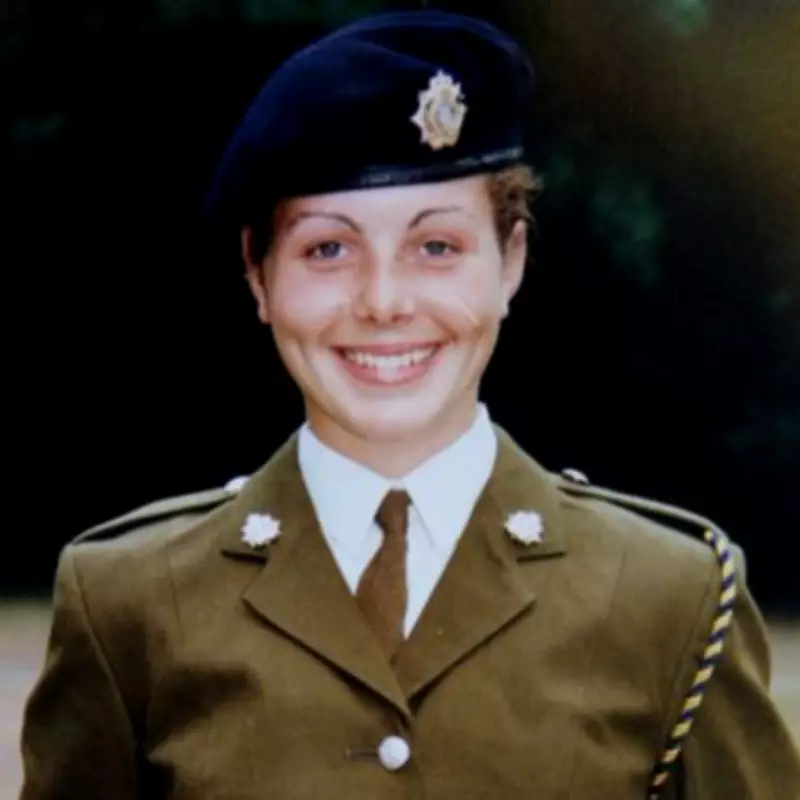
The soldiers who lost their lives at Deepcut Barracks were Private Sean Benton, aged 20, Private Cheryl James, 18, Private James Collinson, 17, and Private Geoff Gray, 17. In addition, Private Anthony Bartlett, 26, was found dead from a suspected overdose in July 2001. Their deaths have been the subject of multiple inquests and a government-commissioned review.
In June 1995, Private Sean Benton from Hastings, East Sussex, was discovered with five bullet wounds to his chest. Two inquests returned verdicts of suicide, noting he had been bullied by instructors. Private Cheryl James from Llangollen, North Wales, was found dead in November 1995 with a head wound; a second inquest later ruled her death self-inflicted.
Private Geoff Gray, aged 17, died from gunshot wounds to his head in September 2001, with a second inquest concluding suicide 18 years later. Private James Collinson from Perth was found dead in March 2002, also from a gunshot wound; his family challenged the open verdict from the initial inquest.
Allegations of Abuse and a Culture of Bullying
Inquests into the deaths heard firsthand accounts of mental, physical, and sexual abuse from former recruits. A group known as the Respirator Gang, who wore masks to conceal their identities, was implicated in late-night beatings. Witnesses described a detrimental culture marked by ill-discipline, bullying, and unofficial punishments.
His Honour Judge Peter Rook QC, who presided over inquest hearings, found many witnesses truthful. He concluded that a sergeant had physically assaulted at least ten trainees, using violence as unrecorded punishment for minor infractions. The coroner also noted that hundreds of teenage soldiers were left unsupervised with access to alcohol and firearms, while non-commissioned officers imposed excessive punishments beyond legitimate sanctions.
Investigation and Prosecutorial Decision
Surrey Police launched a fresh criminal investigation in 2018, following second inquests into the recruits' deaths. The force submitted a substantial evidence file to the Crown Prosecution Service in July 2020. After a detailed review, the CPS interviewed a suspect under caution in April 2023—the only former staff member interviewed in the 31 years since the first death.
In September 2025, the CPS announced that the evidential threshold for prosecution was not met, and no charges would be brought. Frank Ferguson, Head of the CPS Special Crime and Counter Terrorism Division, stated that offences of misconduct in public office were considered but did not meet the legal test for prosecution.
Surrey Police explained that time limits for prosecuting common assaults from the 1990s and early 2000s had expired, and no medical or physical evidence supported assault allegations due to the passage of time. The investigation focused solely on misconduct in public office, reviewing inquest transcripts and witness evidence.
Families' Reactions and Ongoing Campaign
Des James, 61, father of Cheryl James, described the failure to prosecute as "the final deceit after 30 years of campaigning." He expressed being lost for words, emphasizing the persistent sense of betrayal. Yvonne Heath, 59, mother of James Collinson, remarked, "Four dead recruits and no one is accountable and they wonder why we are cynical?"
None of the families accepted the CPS's offer to meet and explain the decision not to recommend charges. Their long-standing campaign for justice continues, underscored by the 2004 independent review by Nicholas Blake QC, which highlighted systematic failures in handling complaints and ill-disciplined access to firearms at the barracks.
The case remains a poignant reminder of the challenges in addressing historical allegations within military institutions, leaving families without closure after decades of seeking accountability.