Father of Nottingham Stabbing Victim Condemns Police Over Untested Killer
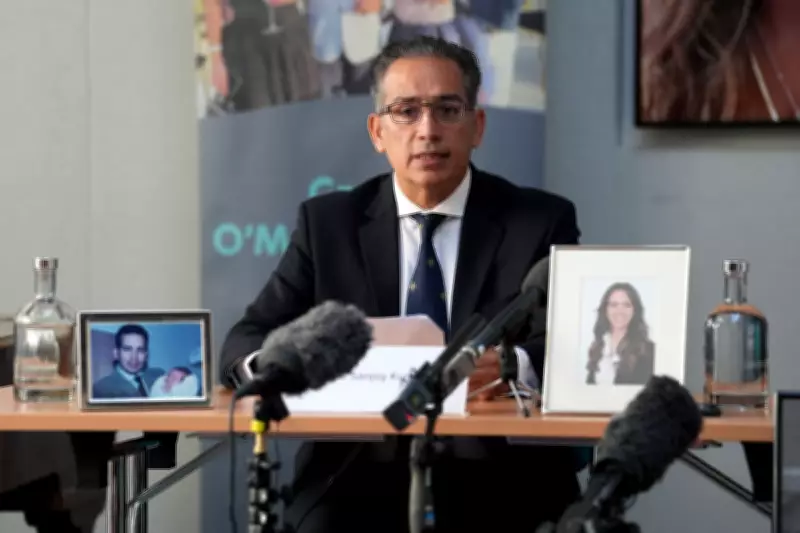
The father of a university student murdered by paranoid schizophrenic Valdo Calocane has labelled a police decision as "disgusting" during an ongoing inquiry. Dr Sanjoy Kumar, whose daughter Grace O'Malley-Kumar was killed, expressed outrage that teenage stabbing victims were tested for drugs and alcohol while their attacker was not subjected to similar forensic scrutiny.
Details of the Tragic Nottingham Attacks
In the early hours of June 13, 2023, Grace O'Malley-Kumar, aged 19, and her friend Barnaby Webber were fatally stabbed on Ilkeston Road in Nottingham after a night out. Calocane, who was later sentenced to a hospital order for killing three people and attempting to murder three others, went on to murder caretaker Ian Coates, 65, and run over three pedestrians with a stolen van.
Dr Kumar's Testimony at the London Inquiry
Speaking at the central London inquiry, Dr Kumar, a GP and former forensic medical examiner with the Metropolitan Police, revealed he had to sign human tissue forms to release his daughter's body. He emphasised that the consent for taking samples was not clearly highlighted, stating, "They took samples from our children to test for drugs and alcohol. I was really struck by that being really quite disgusting." He added that Calocane was not tested, despite previous interactions and mental health issues being downplayed.

Forensic Oversights and Police Apology
Dr Kumar expressed confusion over why a hair sample was not taken from Calocane while in custody, noting that such a test did not require consent and could have provided crucial evidence. "It may have proved nothing but it may have proved everything," he asserted. Retired Nottinghamshire Police Detective Superintendent Leigh Sanders apologised to bereaved families for the decision not to take a hair sample, though he argued it would not show drugs or alcohol at a specific time.
However, Dr Kumar countered, "If you are here to detect crime, that means forensics is really important. And a basic part of that forensics is head hair." The inquiry continues to examine these procedural failures in the wake of the Nottingham tragedy.