Public Fury as Thousands Demand Block on Taxpayer-Funded Funeral for Soham Killer
More than 42,000 people have signed a petition calling for public funding to be blocked for the funeral of Soham murderer Ian Huntley, who died on Saturday morning following an attack at HMP Frankland. The petition, titled 'Do not use public money to fund a funeral or memorial for Ian Huntley', surpassed 40,000 verified signatures in under 48 hours after its launch on Sunday.
Pressure Mounts on Justice Secretary to Intervene
Justice Secretary David Lammy is facing intense pressure to prevent any taxpayer or prison service funds from covering funeral or memorial service costs for Huntley. This comes under a long-standing Ministry of Justice scheme that requires the prison service to contribute up to £3,000 towards funeral costs for prisoners who die in custody, with prison protocol also mandating a memorial service organised through the prison chaplaincy.
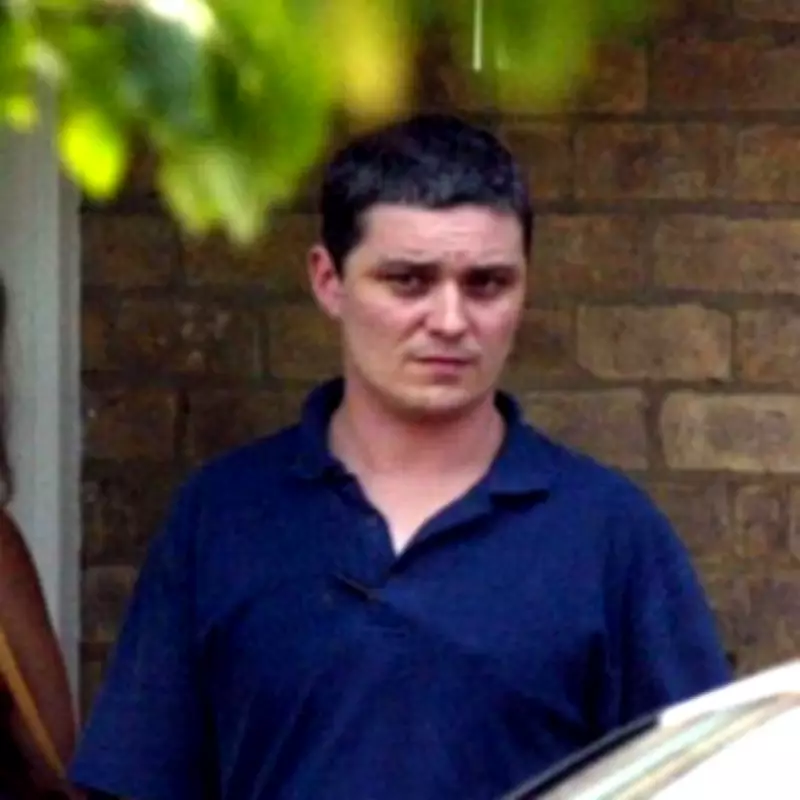
Ian Huntley, the 52-year-old former school caretaker from Soham, Cambridgeshire, was serving a life sentence with a minimum term of 40 years for the murders of 10-year-olds Holly Wells and Jessica Chapman in 2002. He died at the Royal Victoria Infirmary in Newcastle city centre after being attacked with a metal bar at HMP Frankland on February 26.

Petition Organiser Calls for Policy Review
Carly Batley, 47, from Deal in Kent, who launched the petition on Change.org, has urged the Ministry of Justice to waive the £3,000 funeral contribution for Huntley, cancel any planned prison memorial service, and review whether death-in-custody provisions should automatically apply to those convicted of serious crimes against children.
"There were so many missed opportunities with Huntley. He should never ever have been allowed anywhere near children. The system failed Holly and Jessica and their families, and they deserve better now," Batley stated, highlighting that even Huntley's daughter, Samantha Bryan, believes he does not deserve a funeral or grave.
"To use taxpayers' money, however modest the sum, to mark his passing with ceremony or dignity sends entirely the wrong message to those families, and to the public," she added.
Family and Expert Opinions Weigh In
Samantha Bryan, 27, who discovered Huntley was her father while researching a school project at age 14, told The Sun on Saturday that she believes his ashes should be flushed down the toilet. "He shouldn’t have the dignity of a funeral and grave. I will not be going. A funeral is pointless for a man like him," she said.
Former prison governor and criminal justice expert Ian Acheson noted that Justice Secretary Lammy has the authority to override prison service policy. "If there's anything that says it's mandatory for him to have a memorial service, that must and can be overridden by the secretary of state," he told The Times.
Historical Context and Systemic Failures
The Ministry of Justice scheme has previously funded funerals for other notorious killers, including Peter Sutcliffe, known as the Yorkshire Ripper, in 2020. Following Huntley's death, the Ministry of Justice described the murders of Holly Wells and Jessica Chapman as "one of the most shocking and devastating cases" in history.
The case exposed severe failings in police vetting and child safeguarding, as Huntley secured a job working with children despite prior complaints of rape and sexual offences made to Humberside Police. This led to the Bichard Inquiry, launched by then home secretary Lord Blunkett, which identified "errors, omissions, failures and shortcomings, which are deeply shocking" in child protection procedures.
Sir Michael Bichard's 196-page report, published in June 2004, criticised record-keeping, vetting checks, and information-sharing within Humberside Police, Cambridgeshire Constabulary, social services, and the Child Protection Database. It described Humberside Police's intelligence system as "fundamentally flawed", ultimately leading to the creation of the Police National Database in 2011 to improve data sharing across forces in England and Wales.