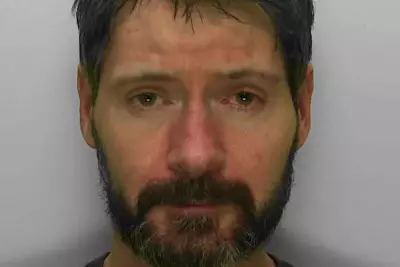
Soham killer Ian Huntley will be sent to a £300,000-a-year secure hospital at taxpayers' expense if he survives a recent prison assault, according to reports. This cost represents a significant increase from the £85,000 annually spent to incarcerate him at HMP Frankland, a maximum-security facility in County Durham.
Secure Hospital Options for Category A Prisoners
Only three secure hospitals in England are equipped to handle Category A prisoners like Huntley: Broadmoor Hospital in Berkshire, Rampton in Nottinghamshire, and Ashworth in Merseyside. It is understood that Huntley, the former school caretaker convicted of murdering ten-year-olds Holly Wells and Jessica Chapman in 2002, would likely be transferred to Ashworth Hospital.
No Return to HMP Frankland
A source indicated that Huntley cannot return to HMP Frankland, known colloquially as Monster Mansion, even if he survives. "It's still touch or go whether he will even survive beyond the next few weeks," the source said. "But if he does live, there is no way he will ever return to Frankland. He won't be in a fit state to look after himself without round-the-clock care, plus he will never be safe from other inmates."

Huntley was attacked in the workshop of HMP Frankland and has been left blinded with little expectation of regaining consciousness. Reports suggest his life support was switched off at Newcastle's Royal Victoria Infirmary, leaving him "effectively dead," though he could defy the odds.
High-Security Hospital Care and Guarding
Should Huntley survive, he would receive extensive care from NHS nurses and brain specialists. He has been under constant guard at the hospital, with at least three prison officers and a prison manager required at his bedside at all times due to his Category A status. As he is in a coma, the guards primarily serve for his protection rather than preventing escape.
Prison staff are reportedly paid £24 per hour for this overtime duty, which is considered highly desirable among officers. The irony is stark: Huntley, who showed no mercy to his young victims, will be afforded lifelong medical attention and security at substantial public cost.
The potential transfer highlights the complexities and expenses of managing high-profile inmates with severe medical needs, raising questions about resource allocation in the criminal justice system.