A man who spent 22 years behind bars for murder has made the shocking admission that he would rather return to prison than continue struggling to build a life on the outside.
The impossible search for a second chance
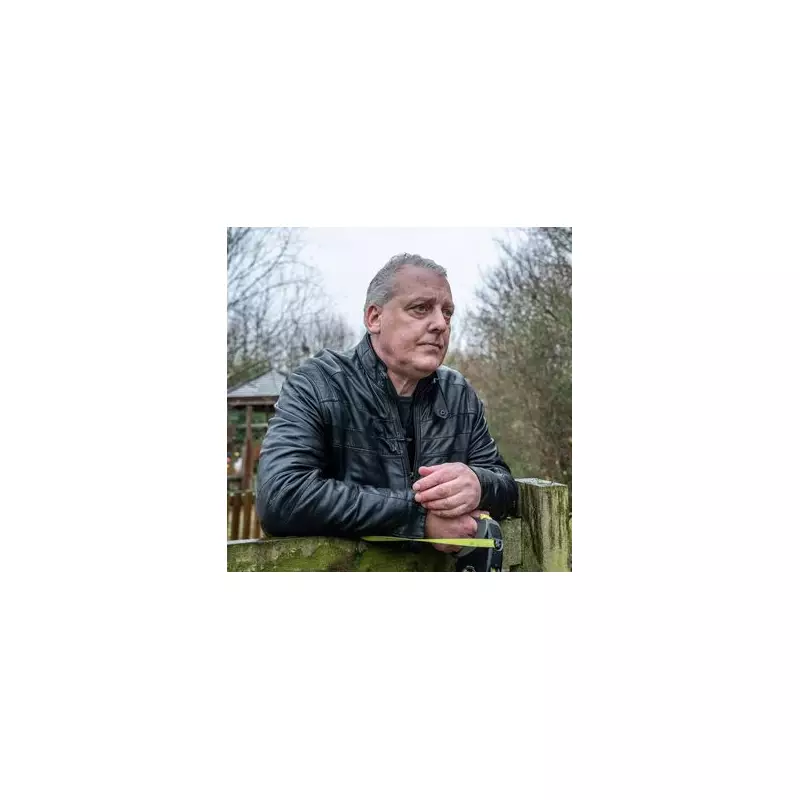
Iain Macpherson, now 54, was handed two life sentences with a minimum term of 12 years in February 1992 for crimes including murder. Originally from Harrow, London, he was moved between 22 different prisons before his eventual release in October 2014.
Upon release at age 41, he initially stayed at a hostel in Ealing designed to help former prisoners reintegrate. He later moved to Bedford with a girlfriend, but his attempts to establish a normal life have met with relentless failure.

For three years, Macpherson applied for jobs in home refurbishment and personal training through eight different Job Centres. He claims staff told him there was "no point" applying due to the nature of his criminal record. His bid to become self-employed was derailed by an insurance quote of £9,800 per year for a car worth only £2,000, a premium he was told was due to his conviction.
A life in limbo and a plea to return
After his relationship ended, Macpherson began sleeping on a sofa bed at his mother's Hertfordshire flat in late 2016. By 2023, he had to leave and now alternates between sofa surfing with friends and accruing debt from temporary hotel stays, recently borrowing £1,000 just to secure a room.
Currently unemployed and living in Hertford, Hertfordshire, he survives on Universal Credit and Personal Independence Payment (PIP). He says the council has denied him housing assistance, classifying him as voluntarily homeless.
"It would be easier just to be back inside, but without having to commit any crime," Macpherson stated. "Prison is horrible, and the food is disgusting, but at least I'd have a roof over my head. It's unsustainable for me in the real world."
He has even asked his probation officer to recall him to prison and deliberately missed three appointments in the hope of being sent back, but the tactic failed.
The crime and the lasting shadow
Macpherson's conviction stems from a trial at London's Central Crown Court in February 1991. He pleaded not guilty to two counts of murder and one of attempted murder, while admitting to robbery and burglary. After a two-week trial, he was found guilty of all charges except attempted murder, which was dropped. He was convicted under joint enterprise laws.
Joint enterprise allows for conviction when someone has planned a crime, was present, or assisted or encouraged the perpetrator, even if they did not directly commit the act. His accomplice, then 29, admitted to the same charges and also received two life sentences.
Reflecting on his past, Macpherson confessed, "I got in with the wrong guy and this all happened before I really knew what was going on." He added, "This just goes to show that anyone can get on the wrong path and it's very, very hard to come back."
While incarcerated, he gained qualifications in gardening, first aid, IT, personal training, and secured GCSEs and A-levels. Yet, these achievements have proven worthless in the face of his life conviction for murder.
"If you've got a record like this you can't escape it, no matter how much time has passed," he said. "When people find out about it you can see it in their eyes - that moment ends the relationship you had."
Macpherson remains on lifelong probation, a permanent label in a world that offers him no foothold. His story presents a stark challenge to the concept of rehabilitation and the reality of life after a life sentence.