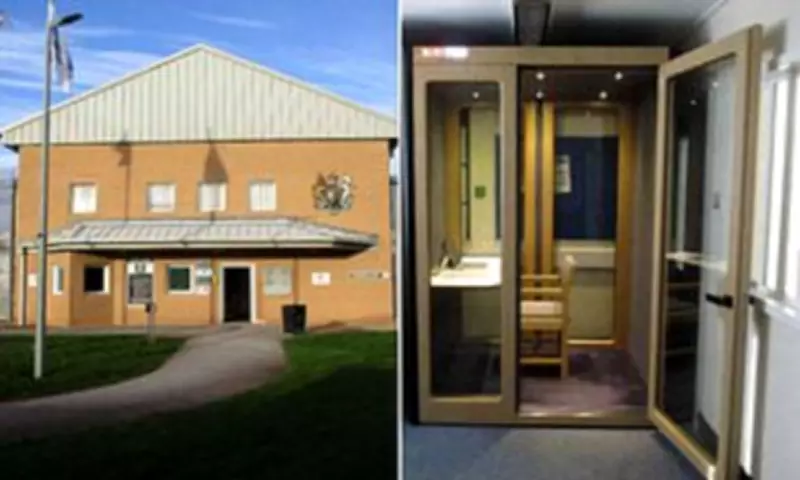
Paedophiles incarcerated in UK prisons have been granted permission to record podcasts and bedtime stories for young relatives while serving their sentences. This controversial practice has emerged at facilities like HMP Whatton in Nottinghamshire, which houses Europe's largest concentration of sex offenders.
Multimedia Facilities in Sex Offender Prisons
HMP Whatton, a Category C prison where approximately 70 percent of its 836 inmates are convicted sex offenders, features a state-of-the-art multimedia studio. This facility enables prisoners to produce their own content, including recordings intended for child relatives. The prison's participation in initiatives like Storybook Dads allows inmates to read, record, and send CDs containing bedtime stories to their children, grandchildren, nieces, or nephews.
Rehabilitation Versus Luxury Debate
Recent inspection reports from HM Inspectorate of Prisons highlight that inmates with "protected characteristics" - encompassing race, religion, and sexual orientation - receive opportunities to create podcasts. These recordings are subsequently broadcast on the prison's internal television and radio channels. Officials argue this demonstrates commitment to understanding prisoner experiences and raising awareness among staff and fellow inmates.

However, victims' charities have expressed vehement opposition, characterizing these privileges as an "easy ride" for individuals convicted of heinous crimes. A spokesperson for Justice for Victims stated that offenders "should not have access to what many would consider luxuries" while serving time for sexual offenses.
Additional Perks Across Sex Offender Facilities
Other prisons housing sex offenders offer comparable amenities that have drawn criticism. These include:
- A "hipster-style" charity shop operated within prison grounds
- Comprehensive sports facilities featuring all-weather 3G football pitches
- Privacy locks installed on individual cells
- Advanced recording studios with editing capabilities
HMP Rye Hill near Rugby, which recently housed Britain's worst serial paedophile Carson Grimes, boasts extensive recreational amenities despite its population of dangerous offenders. Grimes is currently serving seven life sentences for abusing 22 boys as young as five years old, with police suspecting his actual victim count may number in the hundreds.
Official Justifications and Safety Protocols
The Ministry of Justice maintains that public protection remains their paramount concern. A spokesperson emphasized that "earned privileges play an important role to maintain safety in prison and cut crime," noting that offenders can lose these privileges if they violate rules. All participants must pass rigorous risk assessments, and direct contact with victims is strictly prohibited.
Sharon Berry, CEO of Storybook Dads, defended the program as "a multi-award-winning service for prisons to run" that supports literacy, strengthens family connections, and potentially reduces reoffending rates. She affirmed that prisons implement the service "in a way that is known to be safe."
Rehabilitation Versus Punishment Tension
This situation highlights the ongoing tension between rehabilitation objectives and punitive expectations within the prison system. While educational and work-based programs are promoted as essential for reducing reoffending, critics question whether taxpayers should fund what they perceive as enjoyable experiences for convicted sex offenders.
The controversy extends to facilities like HMP Rye Hill, designated as a training prison to prepare inmates for release. This classification raises questions about its suitability for housing serial offenders like Grimes, who may never qualify for release given the severity of their crimes.
As the debate continues, victims' advocates argue that the justice system frequently disappoints victims and their families, while prison authorities maintain that structured privileges and rehabilitation programs serve broader societal safety interests.