The Wiltshire Village Frozen in Time: Imber's 80-Year Evacuation Legacy
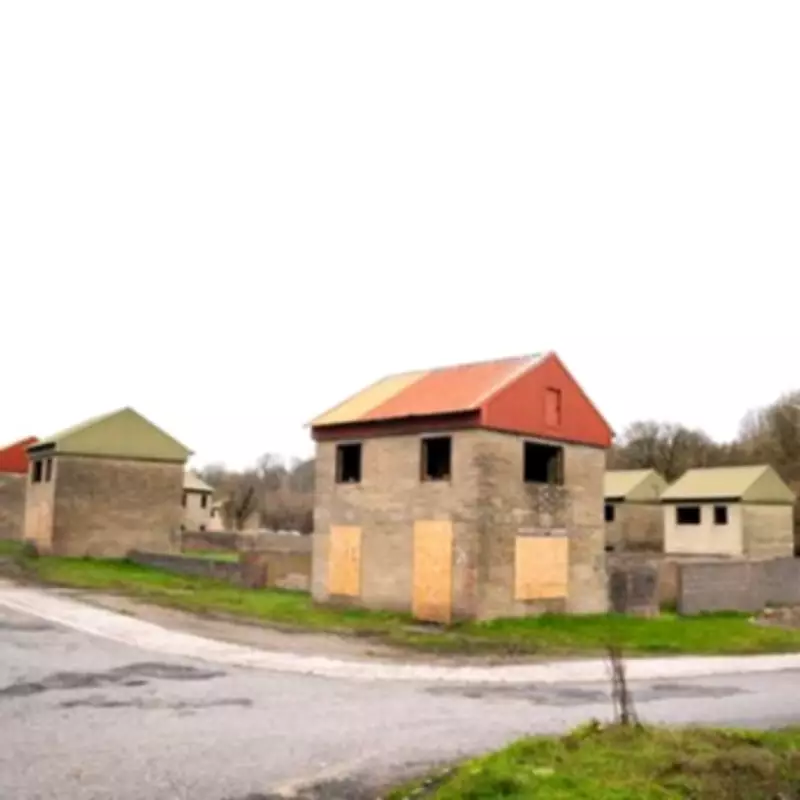
Nestled on Salisbury Plain, just a short distance from the iconic Stonehenge and approximately an hour from the historic city of Bath, lies a hauntingly silent settlement. The village of Imber in Wiltshire stands as a poignant relic of wartime sacrifice, its buildings slowly succumbing to decay and its streets empty of civilian life. This once-thriving community has been severed from the outside world for over eight decades, accessible to the public for only a few designated days each year.
The Wartime Evacuation That Changed Everything
In 1943, as World War II intensified, the residents of Imber received a devastating notice. With merely 47 days' warning, they were informed that their village was being requisitioned by the military to provide essential training facilities for American troops preparing for the conflict. Similar to other communities across the nation, Imber's inhabitants were forcibly removed from their homes, believing their displacement would be temporary.
Historical records indicate that Imber had been inhabited since at least 967 AD, with documentation in the Domesday Book of 1086. By the time of the evacuation, the village was home to over 150 people. During the 14th century, its population had peaked at around 250 residents. The official correspondence sent to villagers stated clearly: "Arising out of the decision that increased training facilities are to be made available in the Imber area, I regret to inform you that it is necessary to evacuate the major part of the Department's Imber Estate, including your dwelling."

Patriotic Sacrifice and Broken Promises
Initially, many residents accepted the evacuation as their patriotic duty, wanting to support the war effort and those serving on the front lines. However, when the conflict ended, permission to return home was never granted. Salisbury Plain had transformed into Britain's largest military training area, now encompassing more than 94,000 acres. Authorities determined that the terrain remained crucial for military purposes and too dangerous for civilian habitation.
The village itself suffered significant damage from explosions during and after the war, as well as from ongoing military exercises. Exposure to the elements further deteriorated the structures. Even if former residents had been allowed to return, their homes would have been uninhabitable. The community mourned 28 men from Imber who had served and died in the conflict.
The Fight to Return Home
In 1961, after years of separation and growing discontent, over 2,000 people gathered to campaign for the villagers' right to return. This led to a public inquiry, but the ruling ultimately supported the continued military use of Imber. It wasn't until the 1970s that some evidence emerged suggesting a possible return, but by then it was far too late for most former residents.
A significant development came with the preservation of St Giles' Church. It was determined that the church could be maintained and would welcome worshippers on the Saturday nearest to St Giles' Day each year. This tradition continues today, providing a rare opportunity for former inhabitants and the public to gather in the village.
Imber Today: Preservation and Remembrance
While much of Imber has fallen into disrepair, St Giles' Church stands preserved as it has for centuries, protected by the Diocese of Salisbury. The church achieved Grade I listed status in 1987 and remains a meaningful site for commemorating the village and its once-thriving community.
Today, the Ministry of Defence permits public access to Imber on just three occasions annually. A service around St Giles' Day draws former residents, soldiers who trained in the village, and members of the public. Another service occurs on the Saturday before Christmas, a tradition established in 2009. Websites like ImberVillage.co.uk help preserve the stories and memories of former inhabitants, ensuring that Imber's unique history is not forgotten.
The village of Imber remains a powerful symbol of wartime sacrifice and the complex legacy of military necessity. Frozen in time since 1943, it serves as a haunting reminder of the communities that disappeared to serve larger national interests during Britain's darkest hours.