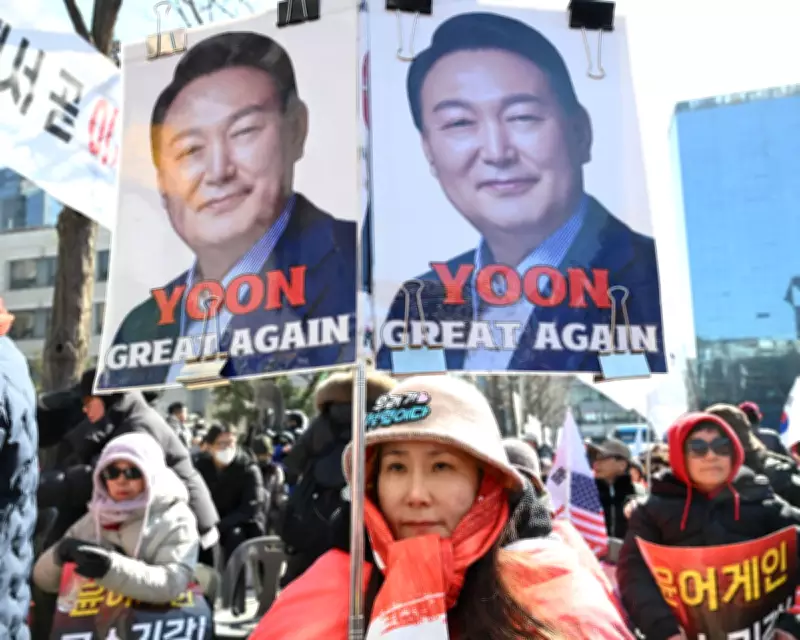
Former South Korean President Yoon Suk Yeol Receives Life Sentence for Insurrection
In a landmark ruling that has sent shockwaves across the nation, former South Korean President Yoon Suk Yeol has been sentenced to life imprisonment for his role in leading a violent insurrection. The verdict, delivered by a high court in Seoul, marks a dramatic fall from grace for the once-powerful leader, who was found guilty of orchestrating a plot to overthrow the government through unlawful means.
Details of the Insurrection and Trial
The prosecution presented extensive evidence during the trial, detailing how Yoon Suk Yeol masterminded a coordinated effort to destabilise the South Korean state. This included mobilising armed groups, inciting public unrest, and attempting to seize control of key government institutions. Witness testimonies and digital records painted a clear picture of his direct involvement in planning and executing the insurrection, which aimed to subvert democratic processes and install an authoritarian regime.
Legal experts have noted that the life sentence reflects the severity of the charges, with the court emphasising the threat such actions pose to national security and the rule of law. The ruling underscores South Korea's commitment to upholding its constitutional order, even when former heads of state are implicated in grave crimes.

Reactions and Implications
Public reaction to the sentencing has been mixed, with some citizens expressing relief at the accountability for high-level corruption and others voicing concerns over political divisions. International observers have closely monitored the case, viewing it as a test of South Korea's judicial independence and democratic resilience. The verdict is expected to have lasting implications for the country's political landscape, potentially influencing future elections and governance reforms.
As Yoon Suk Yeol begins his life sentence, the case serves as a stark reminder of the consequences of abusing power and undermining democratic institutions. Authorities have assured the public that measures are in place to prevent similar incidents, reinforcing the importance of transparency and legal oversight in safeguarding national stability.