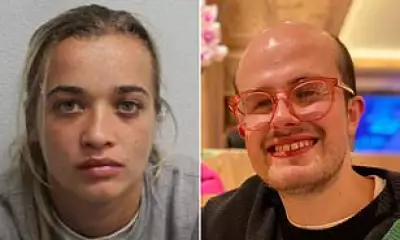
A convicted murderer who beheaded a teenager and disposed of his body parts behind a hotel is now seeking his freedom, having spent virtually his entire life sentence within a secure medical facility rather than a traditional prison.
A Brutal and Motive-Less Crime
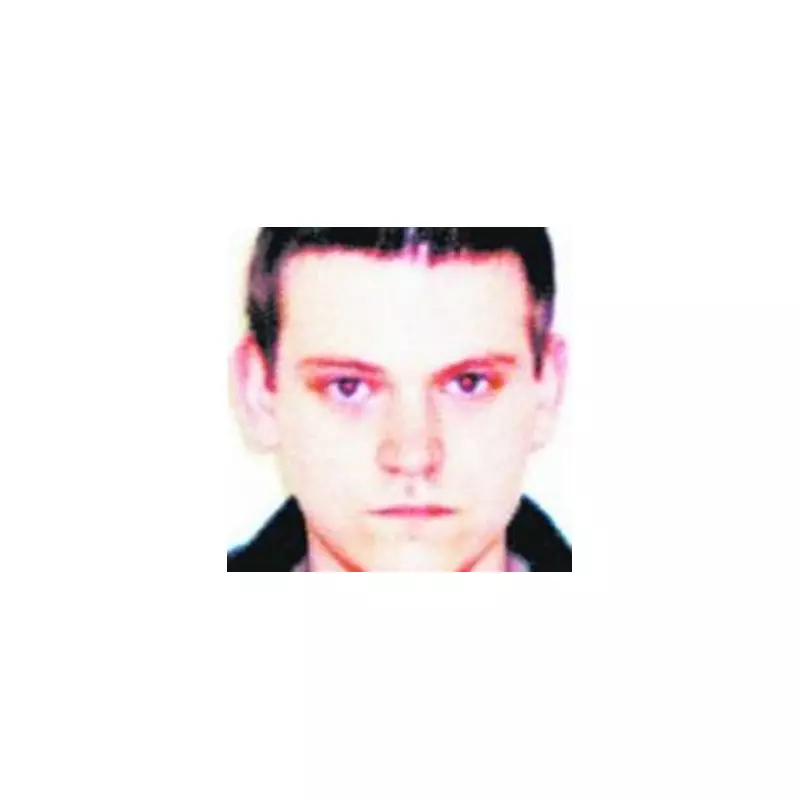
Stewart Michael Diamond, now 47, was just months out of prison in 1997 when he committed a horrific act of violence. He strangled 17-year-old Christopher Hartley in a Blackpool bedsit before dismembering his body in the bathroom. The victim's remains were later discovered in a bin and a sports bag at the rear of the New Central Hotel on Reads Avenue. Christopher's head was never recovered.
The murder investigation, described as one of the most shocking by detectives, involved over 100 officers and spanned two countries. With no apparent motive or prior connection between Diamond and Hartley, the case hinged on a single piece of forensic evidence: a fingerprint in the victim's blood found on a stool leg in Diamond's Park Road flat.

Decades in Secure Detention
Diamond was found guilty of murder at Preston Crown Court in January 1999 and handed a life sentence with a minimum term of 17 years. However, he was diagnosed as an "extremely dangerous" paranoid schizophrenic. Consequently, in June 1999, he was transferred under mental health legislation to a secure hospital, where he has remained for almost all of the subsequent 28 years.
Parole Board documents reveal he underwent numerous interventions to address his risk and mental health problems, eventually progressing to lower security rehabilitation. The detective who led the case, Det Supt Paul Buschini, stated that Diamond never admitted to the crime, showed remorse, or revealed the location of Christopher's missing head, deepening the family's agony.
The Path to Potential Release
Despite the brutality of the crime and the original sentencing judge's warning that he might never be released if deemed a public risk, a mental health tribunal has now made Diamond the subject of a conditional discharge. This means he has technically served his sentence and is eligible for release, pending certain conditions.
The Parole Board, which refused a public hearing, noted his progression through the mental health system. This development places the final decision on his potential managed release into the community with the tribunal and relevant authorities, marking a new chapter in a case that has haunted Blackpool for decades.