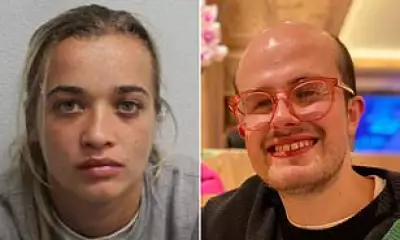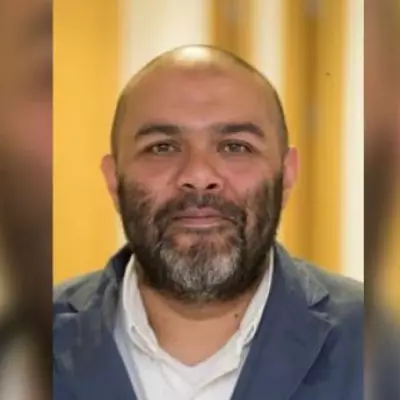
A father-of-three has been sentenced to more than two decades in prison after deliberately driving his car into a crowd of Liverpool FC supporters, leaving a trail of life-altering injuries and psychological trauma.
Paul Doyle, 54, was jailed for 21 years and six months this week after using his Ford Galaxy as a "weapon" during the city's victory parade on May 26. The court heard he struck 134 people in just two minutes in an incident police described as a "miracle" no one died.
A Night of Celebration Turns to Terror
What began as a joyous celebration for fans quickly descended into chaos. Shocking dashcam footage showed Doyle accelerating aggressively into packed streets, his parking sensors constantly beeping as he shouted obscenities at people to get out of his way.

Judge David Menary, sentencing Doyle at Liverpool Crown Court, described the horrific scene: "You struck people head on, knocked others on to the bonnet, crushed prams and forced others to scatter in terror. You ploughed on at speed, violently knocking people aside or running over them, person after person after person."
The footage left seasoned police officers reeling, capturing the sounds of screams, sickening thuds, and the crushing of bikes and a baby's pram.
Lives Shattered in an Instant
This week, a packed courtroom heard brave and harrowing testimony from dozens of victims whose lives were irrevocably changed. An overflow room had to be opened to accommodate all those seeking justice.
Sheree Aldridge, 37, described the moment she believed her six-month-old son, Teddy, had died after his pram was thrown into the air. "I thought my Teddy was dead. I thought I was next," her statement read. She has been diagnosed with a lifelong condition called Morel-Lavallee Lesion and said her legs "will never be the same".
Former soldier Daniel Barr, 41, was hailed a hero for crawling into the moving car to put it in park and grapple with Doyle. However, his bravery came at a profound personal cost. The incident triggered past trauma from his tours of Iraq, leaving him angry, withdrawn, and unable to work. "I am only just keeping my head above water," he told the court.
The attack's reach was vast and indiscriminate. Anna Bilonozhenko, 43, who came to England from Ukraine in 2024 to escape war, said the feeling of safety she had found was "taken away". She suffered leg injuries requiring metal plates. "It feels like losing our safety all over again," she said.
A Legacy of Pain and Anxiety
The psychological scars run as deep as the physical ones. For many, the trauma has stolen their livelihoods, passions, and sense of security.
Abbie Chadwick, 29, a PhD student who worked at the CERN particle physics laboratory, has not worked a single day since the attack. "Immediately my life stopped, and my world shrunk," she said.
Jack Trotter, 23, from County Down, was hospitalised and had to learn to walk again. He has since quit football and struggles to play with his three-year-old son. Teacher Sean Holt, 25, can no longer play football or golf, and even walking his dog is a struggle.
The incident has also deeply affected emergency responders. Cycle response paramedic James Vernon said nothing in his training prepared him for the "immeasurable" terror of that day. Sergeant Sadie Harker, with over 22 years of service, called it the "single most traumatic event" of her career.
For fans, their love of football has been forever tainted. Alan Spain, 26, said watching Liverpool play now sends him back to Water Street. "Every time Liverpool score... I end up on Water Street. That was ruined," he said.
Children present have been left with lasting fears. One mother said her 13-year-old daughter is now anxious in crowds and fearful of crossing roads or hearing car horns. Another young boy, also 13, said, "I have never felt so scared before in my life."
Doyle, a father-of-two, showed emotion in court as the statements were read. He was given an extended sentence of 21 years and six months in prison, with a further four years on licence. The judge concluded he presented a significant risk of serious harm to the public.

The stories from that day paint a devastating picture of collective trauma—a community's joy shattered in minutes, replaced by a legacy of pain, fear, and resilience that will endure for decades.