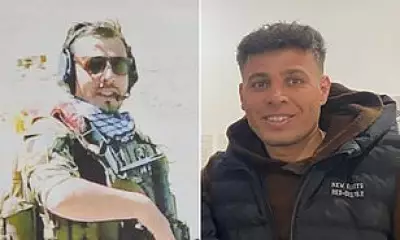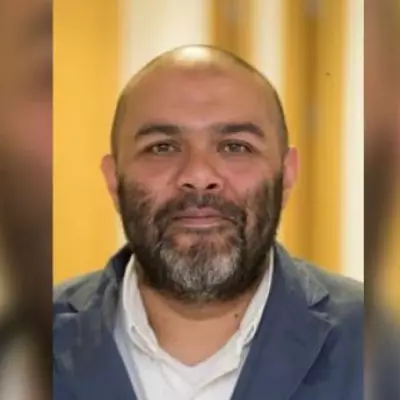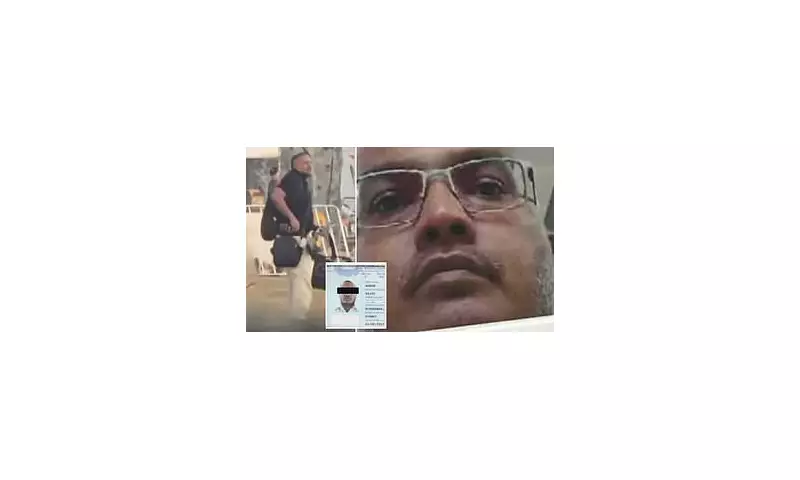
The first clear photograph of Bondi Beach terrorist Sajid Akram has been published, as authorities reveal new details about his multiple trips to India and a separate journey to the Philippines prior to the deadly shooting.
Attack Details and International Travel
Sajid Akram, 50, was shot dead by police after he opened fire on a Jewish Hanukkah celebration at Sydney's Bondi Beach last Sunday night. The attack resulted in the deaths of 15 people and left 40 others injured.
His alleged co-conspirator, his 24-year-old son Naveed, was critically injured in the shootout. Naveed Akram has since been charged with 59 offences, including 15 counts of murder, after waking from a coma this past Wednesday.

Indian police have confirmed that Sajid Akram was originally from Hyderabad, in the southern state of Telangana, where he completed a Bachelor of Commerce degree. He migrated to Australia on a student visa in 1998, later switching to a partner visa after his marriage to Venera, Naveed's mother.
Investigators state that Akram returned to India six times after moving abroad, primarily for family and property matters. Notably, authorities say he did not travel for his father's funeral in 2017. His last known visit was a two-week trip in 2022.
Relatives in India have told police they had limited contact with him over the past 27 years and were unaware of any extremist beliefs. "The factors that led to the radicalisation of Sajid Akram appear to have no connection with India," Indian Police stated.
Philippines Trip and ISIS Links Probed
Australian authorities are also investigating a trip the father and son took to the Philippines before the alleged terror attack. Philippines immigration records show the pair entered the country on November 1.
Their last known destination was Davao, a city on the southern island of Mindanao, an area with historical links to ISIS activity. Australian investigators are probing whether they attended a military training programme before returning to Sydney via Manila on November 28.
However, Philippine authorities deny the region is an ISIS training hotspot and say there is currently no evidence the pair engaged in military exercises during their stay.
Evidence of extremist ideology was allegedly found following the attack. Two Islamic State flags were recovered from the car used to travel to Bondi, and an ISIS-propaganda style video was allegedly found in the Campsie apartment they had rented.
Aftermath, Charges, and Calls for Reform
The massacre has triggered urgent calls for gun law reform in Australia, after it was revealed Sajid Akram was a registered firearms owner. Prime Minister Anthony Albanese has pledged to push for tighter restrictions.
Police allege four guns were found at the scene and two more legally owned firearms were recovered during subsequent property searches.
Naveed Akram faces a long list of charges, including:
- 15 counts of murder
- 40 counts of wounding with intent
- One count of committing a terrorist act
- One count of discharging a firearm in public
- One count of causing a public display of a prohibited terrorist symbol
- One count of placing an explosive in or near a building with intent to cause harm
The victims of the attack included individuals from a wide age range, from 10-year-old Matilda to 87-year-old Alex Kleytman. Dozens were hospitalised, including two police officers who were among the first responders.
Naveed Akram did not apply for bail during a court hearing on Wednesday and is next scheduled to appear on April 8, 2025.