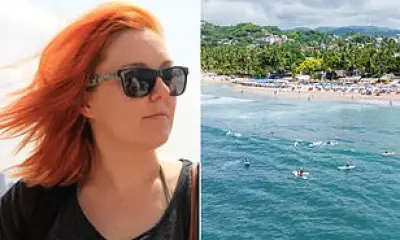
A survivor of the horrific Bondi Beach terror attack that claimed 15 lives has issued a powerful plea for Australia to change how it reports on such atrocities. Former NRL media personality Tiffany Salmond, who was metres from the alleged gunmen, is urging the nation's media to follow New Zealand's lead and stop publishing the names and faces of perpetrators.
A Survivor's Harrowing Ordeal
Tiffany Salmond was standing just ten metres from the alleged shooters on the afternoon of December 15 when the gunfire erupted. The attack targeted a Hanukkah celebration, killing 15 innocent people and injuring dozens more in what police have described as a terrorist act. Salmond described the initial confusion turning to sheer panic as the sound of gunshots sent thousands of beachgoers into a stampede for their lives.
"I was assuming it was a car backfiring," Salmond recounted. "But then it went off again and I looked around and people were running and that was kind of the moment I knew it wasn't a car, it was a gun going off. That was a terrifying moment." She fled with others to a nearby police station, where about 50 people took refuge, not knowing if the attackers were still at large.

The Call to Deny Perpetrators 'Oxygen'
In the aftermath, the alleged shooters were identified as father and son Sajid Akram, 50, and Naveed Akram, 24. Sajid Akram was shot dead at the scene, while Naveed Akram was critically wounded, taken to hospital under guard, and later charged with multiple offences including murder and terrorism. Now, Salmond is calling for a fundamental shift in how Australia responds.
Inspired by New Zealand's unified stance after the 2019 Christchurch mosque shootings, where 51 people were killed by Australian extremist Brenton Tarrant, Salmond wants Australian media to similarly refuse to name or show the faces of the Akrams. "Stop showing his face. Stop saying his name. Stop rewarding [alleged] violence with attention," she urged in an Instagram post.
She highlighted how New Zealand media, following the lead of then-Prime Minister Jacinda Ardern, chose to deprive the Christchurch gunman of the notoriety he sought. "And that is the greatest punishment for men like this. Being forgotten," Salmond wrote. "A faceless shadow with no frame, no legacy, and no oxygen. That's how we take the power back."
Learning from Christchurch's Media Response
The precedent set after the Christchurch massacre is clear. Once the attacker's name was initially reported, a collective media decision was made to minimise further reference to his identity, focusing instead on the victims and community response. Salmond believes Australia must now adopt this same ethical approach to media coverage of terrorism.
"In the aftermath of something this horrific, we're all searching for answers," Salmond stated. "But one truth we can't ignore is that these men don't just want to be named, seen and remembered. And right now, Australian media is giving him exactly what he wants." Her call challenges news organisations to reconsider the balance between public information and inadvertently glorifying perpetrators.
As tributes continue to pour in for the victims, including a 10-year-old girl, the debate over responsible reporting in the wake of tragedy has been thrust into the spotlight. Salmond's firsthand experience and powerful advocacy pose a critical question: can Australia unite to deny terrorists the infamy they crave, and instead let their deeds be condemned to obscurity?