Africa's Push for Reparative Justice Gains Momentum Through Arts and Culture
Africa's Reparative Justice Drive Advances with Arts Focus

Africa's Strategic Push for Reparative Justice Intensifies with Cultural Focus

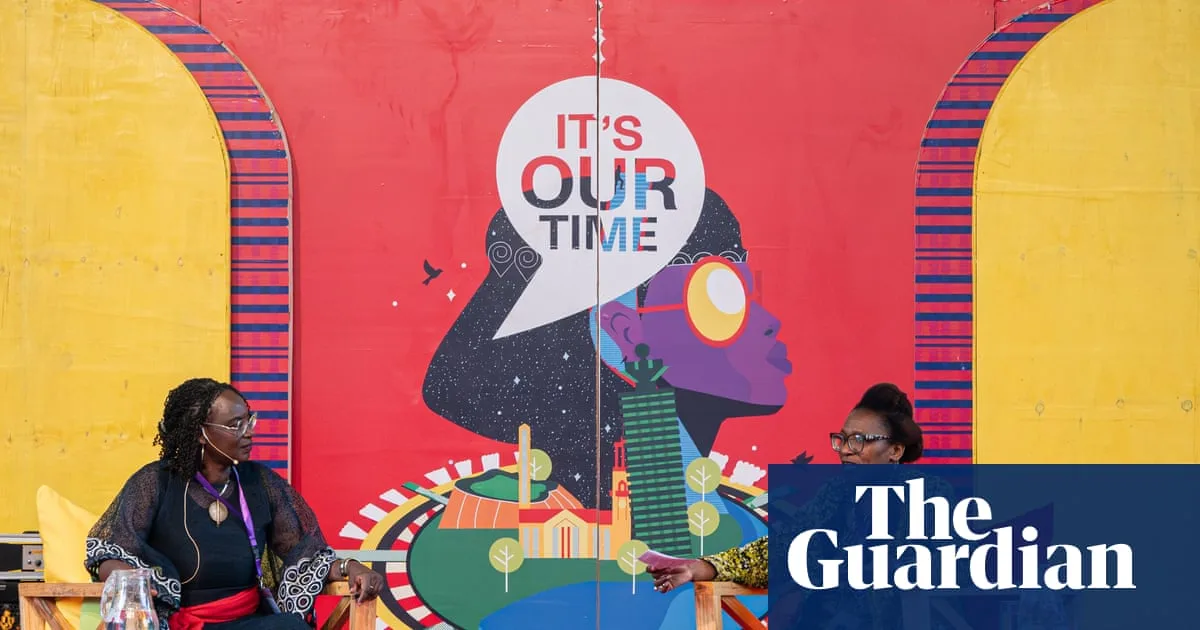
In a significant development for global justice movements, the African continent is advancing its campaign for reparative justice, with arts and culture playing a pivotal role. This was highlighted at the Wakati Wetu festival in Nairobi, where artists, writers, and activists gathered to discuss how creative expressions can drive the quest for redress over historical injustices like colonialism and slavery.

AU Declares Decade of Reparations to Mobilise Support

The African Union has taken a bold step by adopting a motion, put forward by Ghana, to label slavery and colonialism as crimes against humanity. This motion is set to be tabled at the United Nations, demanding formal redress. In a landmark move, the AU declared 2025 as the Year of Reparations, with the theme Justice for Africans and People of African Descent Through Reparations. Subsequently, the timeline was extended, declaring 2026 to 2036 the Decade of Reparations, aiming to mobilise widespread support for justice initiatives across the 55-country bloc.

For decades, African nations have endured profound injustices inflicted by Western powers, including brutal colonialism and the forced enslavement of millions. Efforts to address these wrongs and their enduring economic, social, and psychological impacts have often been limited, primarily confined to academic and nonprofit circles. Progress has been hampered by scarce resources, fragmented strategies among activists, and reluctance from European governments to confront historical wounds.

Wakati Wetu Festival Sparks Global Conversations on Healing

The Wakati Wetu festival, held in a Nairobi suburb, served as a crucial platform to reignite discussions on reparative justice. Over two days, attendees engaged in activities such as documentary screenings, panel discussions, and performances, all centered on the theme of redress. Liliane Umubyeyi, co-founder and executive director of African Futures Lab, emphasised that arts can make reparation debates more accessible to the public. "Art is a universal way to experience things. You don't have to have a degree to learn music," she noted, highlighting how creative mediums can resonate deeply with diverse audiences.

In a powerful keynote speech, award-winning Kenyan author Yvonne Adhiambo Owuor described the festival as offering "the hope of a sharp – often painful, yet healing – recognition" of the immense suffering Africans have faced. She cautioned against rushing into restitution without proper historical audits, stating, "Reparation is first an act of moral autopsy and then moral exorcism." Her words underscored the need for a solid ideological foundation in the reparative movement.

Geopolitical Challenges and Historical Context Shape the Movement

Analysts like Adekeye Adebajo, author of The Black Atlantic's Triple Burden: Slavery, Colonialism and Reparations, suggest that the AU's strategic focus on reparations may be a response to current geopolitical tensions. He pointed to challenges such as the rise of extremist groups in former colonising nations, which complicate public discussions on these issues. Cape Verdean president José Maria Neves echoed this, noting the lack of political conditions for open dialogue in many Western countries.

The AU's efforts trace back to the early 1990s with the first Pan-African Conference on Reparations, which produced the Abuja Proclamation of 1993 demanding reparations for colonialism and the transatlantic slave trade. Despite institutional progress, former colonial powers have largely resisted making amends. For instance, Germany acknowledged the colonial-era genocide in Namibia but refused to term its €1.1bn aid as "reparations," fearing legal precedents. Victims' descendants continue to seek proper redress, including land return.

Ghana Leads the Charge with Institutional Support

Ghana has emerged as a leader in the AU's reparations push, positioning the diaspora as its "13th ethnic group" and establishing an Office for Global Reparations. President John Mahama, the AU's champion for reparations, has called for a united continental effort, describing the transatlantic slave trade as "the greatest crime against humanity ever perpetrated." This institutional backing aims to coordinate activism and policy-making more effectively.

At the festival, participants like Keith Vries, a Namibian writer and descendant of genocide victims, stressed the transformative power of arts in delivering justice. "People must never, ever, underestimate the power of the arts and the culture in the delivery of justice," he said, adding that art can transcend barriers and touch hearts directly. Kenyan scholar Njahîra Wangarî emphasised that the reparation debate is about truth-telling, not revenge, urging sensitivity in conversations.

Future Plans and Broader Implications

Organisers plan to hold similar arts-themed festivals across the continent every two years, aiming to sustain momentum. Kyeretwie Osei of the AU's Economic, Social and Cultural Council highlighted the importance of combining policy with storytelling to engage broader audiences. "We need everyone on board and so people in the creative sector are really important in constructing the necessary narrative," he explained, underscoring how arts can build public support for the reparative justice movement.

As Africa continues its strategic push, the integration of arts and culture offers a promising pathway to heal historical wounds and advocate for meaningful redress on the global stage.